Start with a comfortable fit that lets you follow spoken explanations at a moderate volume. Well-fitting over-ear headphones or snug in-ear headphones with noise cancelling are options for dealing with train noise. Choose an easy-to-reach ambient mode if you want to be able to hear announcements. Then compare comfort during your journey and battery life with noise cancelling switched on: ANC doesn’t guarantee that voices will be reduced as effectively as other sounds.
Who is this guide for?
Commuters who want to follow speech
You listen to astronomy lectures on regular train journeys and want to reduce train noise without continually turning up the volume. The WHO recommends well-fitting headphones and notes that noise cancelling may help in a noisy environment.
Listeners who want to hear announcements
You want to follow spoken explanations while still being able to let in some ambient sound when you’re on the move. The Consumers’ Association includes noise cancelling and the ability to hear ambient sounds among the factors to consider when comparing headphones.
Listeners with a long journey or a small bag
You’re weighing up comfort, battery life and size. The Consumers’ Association points out that over-ear headphones are often comfortable for long listening sessions, but take up more room in a bag.
What should you look for?
Start by checking how clearly you can hear spoken audio at a moderate volume. Then consider how much ambient sound you want to hear, and which fit, battery life and features suit your journeys.
| What to consider |
What to look for when buying |
Who is this important for? |
| Hearing speech clearly over train noise |
Try a spoken-word clip; check the fit and ANC controls, and listen at a moderate volume. |
If you want to follow lectures on the move without continually turning up the volume, clear speech should be a priority. Around 33% of consumers say this is their top priority. |
| Hearing announcements and ambient sounds |
Check that the ambient or transparency mode is easy to use; it doesn’t guarantee that every announcement will be clear. |
If you want to be able to hear important sounds around you, maximum noise isolation may be less important. Around 27% of consumers prioritise awareness of their surroundings. |
| Comfort and size |
Try on a headband-style pair if possible; for in-ear headphones, check that the ear tips fit well, and consider how much room they’ll take up in your bag. |
A comfortable fit matters during a long listening session; if you have little room in your bag, a more compact design may be a higher priority. Around 20% of consumers put comfort or compactness first. |
| Battery life when travelling |
Compare the stated playback time with ANC switched on, and distinguish playback time per charge from playback time including the charging case. |
If you want to charge less often on regular journeys, focus on battery life with the features you actually use switched on. Around 13% of consumers make battery life their top priority. |
| Cost and features you’ll use |
Decide whether you need ANC, ambient sound and wireless controls; then compare the exact version and the relevant purchase terms. |
If you want to match paid-for features to your main use—listening to spoken audio—first decide which features you really need. Around 7% of consumers put cost first. |
Buying pitfalls to avoid
-
Expecting ANC to block out every voice
Noise cancelling doesn’t reduce every type of sound equally. Sony states that the WH-1000XM5 is less effective at reducing voices than lower frequencies.
Check how clearly you can hear spoken audio, and consider the passive seal and fit too. Don’t base your choice on ANC alone.
-
Comparing battery figures for different usage conditions
The maximum playback time quoted may depend on ANC and other settings. For in-ear headphones, playback time including the charging case is also different from playback time on a single charge.
For your journey, compare the stated playback time per charge with ANC switched on.
-
Only checking the fit after opening the packaging
Fit affects both comfort and the seal. According to ACM ConsuWijzer, an exception to the statutory cooling-off period may apply to certain hygiene products once the seal has been broken.
Before opening the packaging, check whether this exception applies to the specific product and what the returns policy is.
Brands to consider
Sony
The WH-1000XM5 is an over-ear model with ANC, an ambient mode and the option to use a cable.
- Sony quotes up to 30 hours of playback for the WH-1000XM5 with noise cancelling on, and 40 hours with it off.
- Sony notes that fit and settings affect how much noise is reduced. ANC may be less effective for voices than for lower frequencies.
Sennheiser
According to Sennheiser, the ACCENTUM Wireless combines ANC with features including a podcast mode, equaliser and transparency mode.
- Sennheiser quotes up to 50 hours with ANC switched on.
- Podcast mode is a listed feature; this doesn’t prove that lectures will be clearer for every listener.
JBL
The Live 770NC is an over-ear model with adaptive ANC and Smart Ambient, letting you switch between noise reduction and ambient sound.
- JBL quotes up to 50 hours with ANC switched on.
- JBL provides the description of Smart Ambient. Try it for yourself to see whether the controls and fit suit your journey.
Apple
AirPods Pro 3 are in-ear headphones with ANC and transparency mode, for anyone considering a compact design.
- Apple lists five sizes of ear tips and up to 8 hours of listening per charge with ANC switched on; with the charging case, Apple quotes up to 24 hours.
- The stated battery life doesn’t prove that the ear tips will fit every ear or that speech will be clearer for every listener.
Products for listening on the train
This selection includes over-ear headphones and compact in-ear headphones with noise cancelling, for listening to lectures on the train. For each version, check the fit, ambient sound controls and battery life under the usage conditions that matter to you.
 No image available
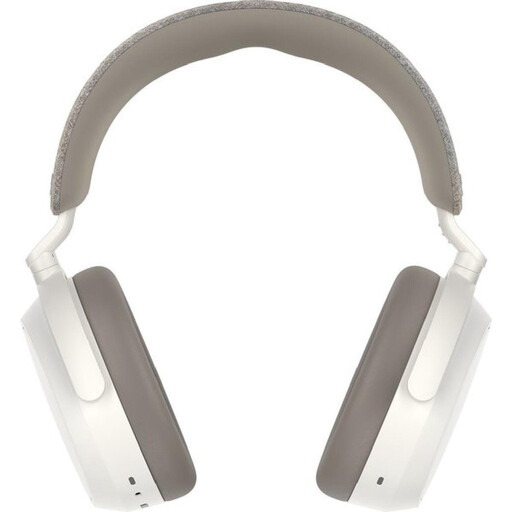
Sennheiser MOMENTUM 4 Wireless, White
An over-ear option for anyone who prefers a headband to in-ear headphones when listening to a lecture.
The product name lists noise cancelling and 60 hours of battery life; check the conditions for the quoted battery life.
View at Joybuy
 No image available
Bose QuietComfort Ultra Bluetooth Headphones, Black
An option to compare if you’re looking for over-ear headphones with active noise cancelling.
Check whether the controls and the way you want to let in ambient sound suit use on the train.
View at Joybuy
 No image available
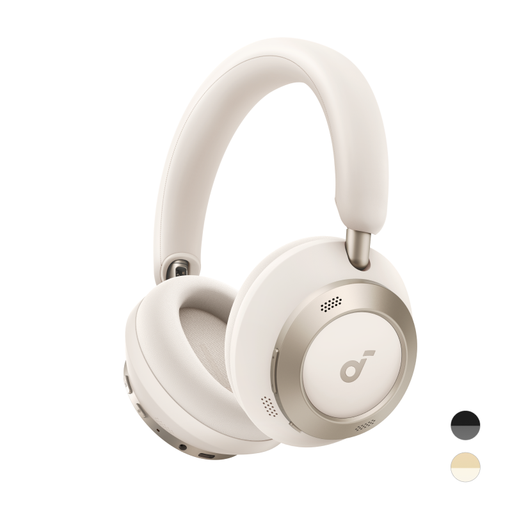
Soundcore by Anker Space One Pro
An over-ear option to compare if you want noise cancelling and headphones you can take with you on the move.
The product name lists adaptive active noise cancelling and 60 hours of battery life. Check which settings this battery life applies to.
View at Joybuy
 No image available
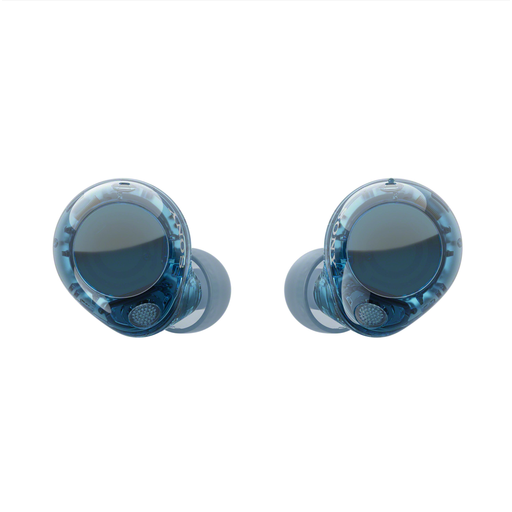
Sony WF-C710N Truly Wireless Noise Cancelling Earbuds, Glass Blue
Compact in-ear headphones to consider if you don’t want to carry a headband-style pair.
The product name lists noise cancelling; check that the ear tips fit and how you can let in ambient sound.
View at Joybuy
 No image available
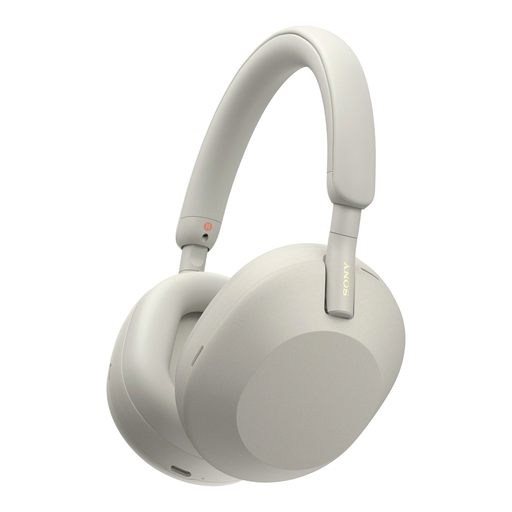
Sony WH-1000XM5 Wireless Headphones with Noise Cancelling, Silver
Wireless over-ear headphones with noise cancelling and an ambient sound mode, according to Sony.
Sony quotes up to 30 hours with noise cancelling on. Sony also notes that noise reduction may be less effective for voices than for lower frequencies.
View at Joybuy
Frequently asked questions
Does noise cancelling help you hear an astronomy lecture on the train?
A good fit and noise cancelling can help you avoid continually turning up the volume in a noisy environment. The WHO recommends this as a way to listen; noise reduction varies depending on the type of sound. So try a spoken-word clip and don’t expect every voice to disappear.
How should I set up my headphones if I want to hear announcements?
Check how to switch between ANC and an ambient or transparency mode, and try the controls during a journey. These modes don’t guarantee that you’ll understand every announcement, so keep an eye on the travel information on the train too.
How can I listen without continually turning up the volume?
The WHO recommends well-fitting headphones or earphones, with noise cancelling if needed, and keeping the volume down. The WHO suggests a maximum of 60% of your device’s volume setting as a practical guideline and recommends taking breaks. This percentage doesn’t measure the actual sound level of your device.
What cooling-off period and warranty apply to an online purchase in the Netherlands?
According to ACM ConsuWijzer, a standard online purchase usually comes with a statutory cooling-off period of 14 days from delivery. Products must also meet the standards you could reasonably expect when used normally; the retailer is your point of contact for your statutory guarantee. An exception to the cooling-off period may apply to certain hygiene products once the seal has been broken. Check whether this applies to the in-ear headphones you choose.
Can I play a lecture through headphones in an NS quiet zone?
NS’s house rules describe the quiet zone as a place where it must be genuinely quiet. They also ask passengers not to disturb others with loud noise. The rules quoted don’t specifically permit or prohibit wearing headphones; make sure other passengers can’t hear what you’re listening to.


