
Attentive lecture listener
You want to follow explanations and technical terms at a comfortable volume. Compare speech reproduction separately from music; the Consumentenbond includes speech samples in its headphone tests.


For astronomy lectures in a quiet library, focus first on clear speech at a comfortable, low volume and on how much sound leaks out; an impressive ANC specification alone won’t tell you either. Closed-back over-ear headphones with ANC may suit you if background noise is distracting, while a simpler on-ear model may be enough if the fit is comfortable and sound leakage is minimal at your usual volume.
You want to follow explanations and technical terms at a comfortable volume. Compare speech reproduction separately from music; the Consumentenbond includes speech samples in its headphone tests.
You sit close to other people and want to avoid them hearing parts of the lecture. Consider the design and check for sound leakage at your usual volume.
You listen for extended periods and may switch between your phone and laptop. Fit, controls, connectivity and battery life can all affect ease of use.
Choose these if: background noise, such as ventilation, distracts you during a lecture.
Bear in mind: ANC doesn’t prove that speech will sound clearer; check the fit and sound leakage too.
Choose these if: the library is quiet and you don’t need ANC.
Bear in mind: check that the pressure on your ears feels comfortable and that other people can’t hear the lecture at your usual volume.
Choose this only if: you’ve checked that the sound won’t disturb others and that using them in the library is allowed.
Bear in mind: sound can escape through the earcups.
| What to consider | What should you check? | Who should consider this? |
|---|---|---|
| Clear speech | Listen to a representative speech sample at a comfortable, low volume; compare speech separately from music. | If you want to follow explanations and technical terms, make clear speech your priority. Around 29% of consumers say it’s their most important consideration when buying. |
| Sound leakage | Ask someone sitting next to you to listen while a lecture plays at your usual volume. | If you sit close to other library visitors, you’ll want to avoid them hearing the lecture. Around 23% of consumers prioritise not disturbing others. |
| Comfort during long listening sessions | If possible, try the headphones during a longer listening session, wearing your glasses too if you use them. | If you listen to a recording for an extended period, you’ll want the headband and ear cushions to feel comfortable. Around 18% of consumers put comfort first. |
| Battery life and connectivity | Compare battery life using the same ANC setting and check the connection with your own playback devices. | If you want to play a lecture without interruption or switch between your phone and laptop, battery life and connectivity are key. Around 18% of consumers put these at the top of their list. |
| Background noise | Try ANC on and off in the room where you listen, at a similar volume. | If ventilation or other background noise distracts you, check whether ANC makes a difference where you listen. Around 12% of consumers prioritise reducing background noise. |
Noise cancellation and speech reproduction are different things to consider. The Consumentenbond assesses speech samples and noise cancellation separately.
Listen to a lecture sample first, and try ANC only if background noise is distracting.
With an open-back design, sound can escape through the earcups. This can be noticeable if you’re sitting next to other readers.
Ask someone sitting next to you to listen at your usual volume, and check closed-back models for sound leakage too.
A quoted maximum may not apply when ANC is switched on. Sony lists up to 35 hours for the WH-CH720N with noise cancelling.
Only compare battery life using equivalent settings, and check the exact model.
According to the Authority for Consumers and Markets (Autoriteit Consument & Markt), statutory warranty in the Netherlands has no fixed end date. The retailer is responsible for providing an appropriate solution if a product isn’t as it should be.
If there’s a fault, you can check your rights with the retailer; a manufacturer’s warranty is separate from these.
Sony offers both the on-ear WH-CH520 and the over-ear WH-CH720N with ANC and Ambient Sound Mode.
JBL describes the Tune 770NC as wireless over-ear headphones with ANC and a connection to two Bluetooth devices.
Sennheiser describes the ACCENTUM Wireless as a closed-back model with Hybrid ANC, Transparency Mode and an adjustable equaliser.
This Joybuy selection features wireless headphones for listening to lectures. Check each model’s features to see which suit your fit, listening volume and playback devices.
 No image available
If you want to listen wirelessly during longer lectures, the product description lists Bluetooth, ANC and a long maximum playback time.
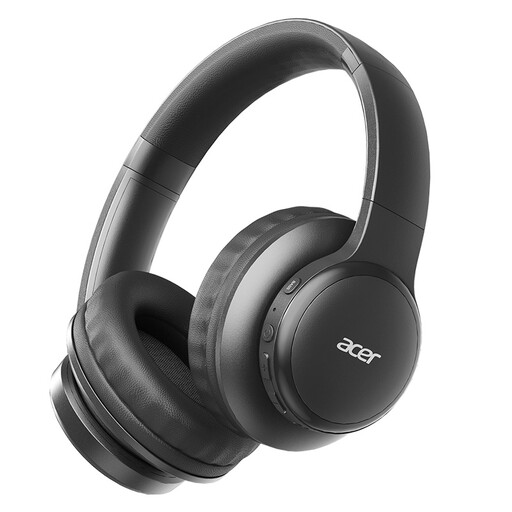 No image available
If you want wireless headphones you can take with you, the product description mentions a foldable design.
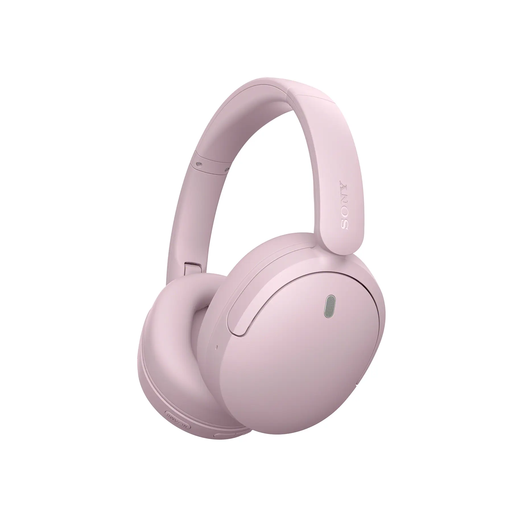 No image available
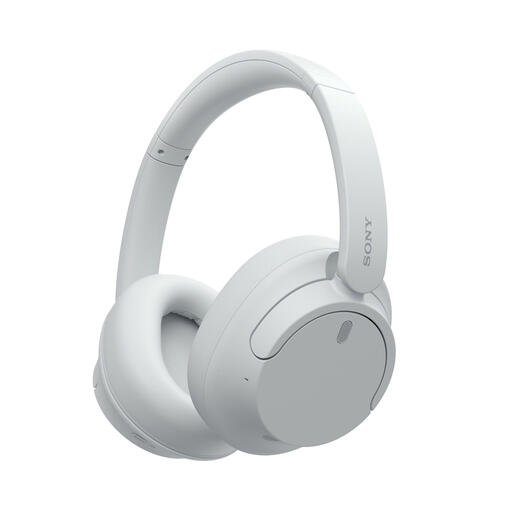
If you want to switch between background noise and noise reduction during a lecture, the product description lists ANC and an Ambient Sound Mode.
 No image available
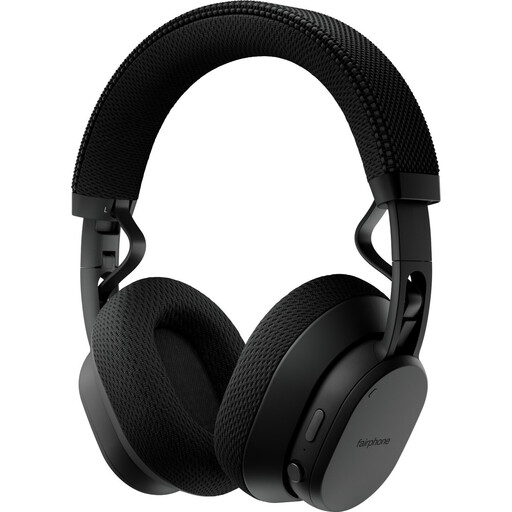
If you want to switch between noise reduction and background sound during a lecture, the product description lists Hybrid ANC and an Ambient Sound Mode.
 No image available
If you want to reduce background noise or let it in during lectures, the product description lists both features.
Not necessarily. First compare speech reproduction, fit and sound leakage; try ANC on and off if, for example, ventilation is distracting you. The presence of ANC alone doesn’t tell you how much difference it will make in your space.
Check whether the exact model supports multipoint and follow the pairing steps in the manual. For the WH-CH720N, Sony says to enable multipoint in the app and pair each device separately first.
Keep the volume as low as is comfortable and limit your listening time. The World Health Organization gives the example of a maximum of 40 hours per week at an average of 80 dB, compared with four hours at 90 dB. These are guidelines for sound exposure, not a measurement of your headphones.
No. According to the Authority for Consumers and Markets (Autoriteit Consument & Markt), statutory warranty in the Netherlands has no fixed term; what matters is what you can reasonably expect from the product under normal use. The retailer is responsible for providing an appropriate solution if the product doesn’t conform, and a manufacturer’s warranty doesn’t replace this right.
Radio equipment placed on the EU market must meet requirements relating to safety, health and electromagnetic compatibility, among other things. The European Commission says the common charger rules have applied to the relevant category of headphones since 28 December 2024. Check whether the rules apply to the version being sold; a product name alone doesn’t prove that all requirements have been met.