
Listening beside a sleeping roommate
You mainly want to stop vocals and guitar from being heard by someone nearby. RTINGS.com notes that sound leakage is worth considering when others are close by, so check both the design and the fit.


If you’re listening beside someone who’s resting or asleep, start with a well-fitting pair of closed-back headphones and consider how much sound leaks out. ANC can reduce background noise for you, but it doesn’t automatically mean your roommate won’t hear the music. Open-back headphones may suit you if you’re mainly looking for a spacious sound and don’t mind sound escaping into the room.
You mainly want to stop vocals and guitar from being heard by someone nearby. RTINGS.com notes that sound leakage is worth considering when others are close by, so check both the design and the fit.
You want to hear less conversation or other room noise without constantly turning up the music. A good seal and, depending on the model and type of noise, ANC may help.
You’re interested in how vocals and acoustic instruments sound, but also need to consider whether an open-back design is suitable for a room you share with someone else.
A good fit if: you mainly listen on one device and want to minimise how much sound leaks into the room.
Bear in mind: a closed-back design doesn’t automatically sound better; also check that the cable and plug are compatible with your device.
A good fit if: room noise distracts you and you want to listen wirelessly.
Bear in mind: ANC performance varies by model and type of noise; assess sound leakage to your roommate separately.
A good fit if: you value a spacious sound and sound in the room won’t disturb anyone else.
Bear in mind: RTINGS.com explains that open-back headphones let sound escape and allow background noise in.
When listening to folk music in a shared bedroom, your choice mainly depends on who you want to hear as little as possible: you, your roommate or both of you.
| What to consider | What should you check? | Who should pay extra attention to this? |
|---|---|---|
| Sound leakage | Check how the ear cushions fit and look for model-specific sound leakage tests. | If I listen while someone sleeps beside me, I want to avoid vocals or guitar disturbing them. Around 31% of consumers give minimising sound leakage to their roommate top priority. |
| Blocking out room noise | Compare passive isolation and any ANC test results for the type of noise you want to reduce. | If conversation or other room noise drowns out my music, I want to hear less of it without constantly turning up the volume. Around 25% of consumers prioritise blocking out room noise. |
| How vocals and instruments sound | Listen to recordings you know and compare models; one specification can’t tell you how the sound will come across to you. | If I mainly listen to vocals and acoustic instruments, I want to judge the sound for myself and consider how spacious it feels. Around 25% of consumers give music playback top priority. |
| Comfort and connectivity | Try on the headphones and check the cable, plug or Bluetooth connection with your own device. | If I listen for longer periods, I want the headphones to feel comfortable and work well with my device. Around 19% of consumers prioritise comfort and connectivity. |
Open-back ear cups generally let more music escape into the room and more room noise in. That can be a deal-breaker if someone is sleeping nearby.
Choose this option only if sound leakage won’t disturb your roommate.
ANC is designed to reduce background noise for the wearer; it doesn’t tell you how much music someone else can hear.
Check the fit and sound leakage, as well as how well the headphones reduce the room noise that bothers you.
The maximum stated battery life can vary depending on whether you listen with ANC on or off, so the figures aren’t directly comparable.
Sony Netherlands states that the WH-1000XM6 offers up to 30 hours with noise cancelling on and up to 40 hours with noise cancelling off. Compare battery life under the same conditions.
Worth considering when comparing an open-back wired model with a closed-back wired one.
The closed-back, wireless WH-1000XM6 is an example of an ANC option that lets you switch between devices.
The wired, closed-back ATH-M40x is worth considering if you want to listen without relying on a battery and need a detachable cable.
The closed-back, wired FT1 is another option for listening at home.
The closed-back, wireless Live 770NC is worth considering if ANC, an Ambient Sound mode and connection to two devices matter to you.
This selection focuses on closed-back, wireless over-ear headphones with active noise cancellation for listening in a shared room.
 No image available
A closed-back, wireless over-ear option to compare if you want ANC and adjustable sound; ANC doesn’t tell you how much music leaks out.
The product description lists 60 hours of battery life, a 42 mm transducer system, EQ settings and an included 3.5mm cable. Adaptive Noise Cancellation and Transparency Mode are also mentioned.
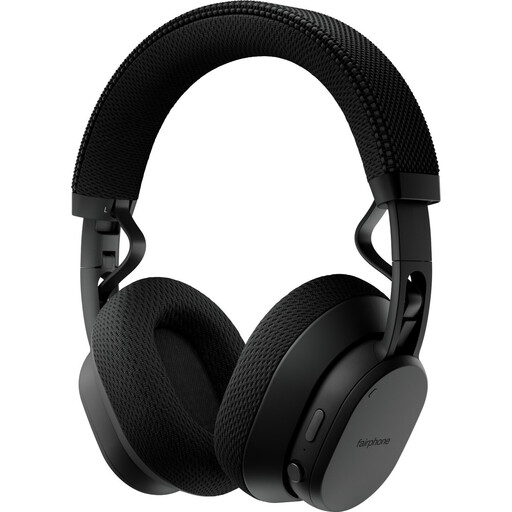 No image available
A closed-back, wireless over-ear option to compare if ANC and comfort during longer listening sessions matter to you.
The product description lists hybrid ANC, EQ presets and a replaceable battery. It also says the headband and ear cushions feature breathable mesh fabric.
 No image available
A closed-back over-ear model to consider if you want to listen wirelessly and are looking for ANC; assess sound leakage separately too.
The product details list Bluetooth, ANC and an audio cable for listening without a battery. They also mention leather ear cushions and a design with minimal clamping force.
 No image available
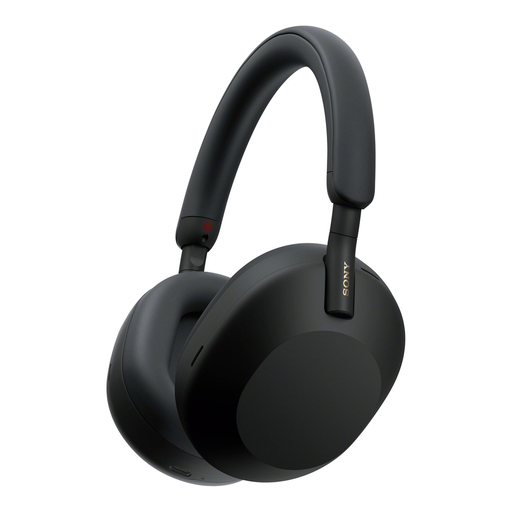
A closed-back, wireless over-ear option if you want to factor in noise cancelling and connection to multiple devices.
The product details list ANC, a detachable cable and multipoint connectivity.
 No image available
A closed-back over-ear model to compare if ANC and both wireless and wired listening matter to you.
The product details list Bluetooth 5.4, ANC and a detachable cable. The headphones are supplied without a charger; the description recommends a compatible 1.8–2.5 W charger and says PD fast charging isn’t supported. As magnets are listed, the product description advises anyone with a medical implant to consult a doctor.
No, you can’t tell from the presence of ANC alone. Noise cancelling is designed to reduce background noise for the wearer; assess sound leakage separately, especially if someone is sleeping nearby.
Use well-fitting headphones and avoid continually turning up the music to drown out room noise. VeiligheidNL recommends a good fit and notes that noise cancelling can also help, so you may not need to turn the volume up as high.
With wired headphones, check that the plug fits your playback device and that any adapter you need is included. Also check whether the cable and ear cushions on your chosen model can be replaced; don’t assume this applies to the whole product category.
When you buy remotely from a business, you’re often entitled to a 14-day cooling-off period; check the applicable exceptions and returns policy. The Dutch government also states that a product must meet reasonable expectations and that you can contact the seller if it’s faulty. There is no fixed, general statutory warranty period of two years.