
Vandaag of morgen in huis

Kwaliteit gegarandeerd

Welkomstaanbiedingen ontgrendelen: GRATIS bezorging | Tot 80% korting | Gratis 30 dagen JoyPlus-proefperiode
Download de app
Buying headphones seems simple, until you have to choose between wireless, wired, over-ear, in-ear, noise cancelling or a sports model. Marketing terms do not always tell you what you will notice in everyday use, either. A long battery life means little if the fit is uncomfortable, while “noise reduction” can refer to both passive isolation and active noise cancelling.
The Joybuy Product Recommendation Officer therefore filters the most important information based on verifiable product specifications. This helps you see which features suit listening to music, making calls, working from home, travelling, gaming, running, cycling or swimming.
Headphones with a large driver or a high maximum volume are not automatically suitable for your needs. A 40mm driver, for example, may produce a different sound from a compact 5mm driver, but comfort, the seal and the audio source also play a part. Look at the overall design rather than focusing on one impressive number.
Pay close attention to the wording of claims about sound or noise reduction. According to Edifier’s own information, the Atom Max offers up to -44 dB hybrid active noise cancelling. This is a brand claim; the actual experience depends on factors including fit, surroundings and settings.
Wireless headphones or Bluetooth headphones need a battery. Check the stated usage time, charging time and connection. USB-C is convenient because many smartphones, tablets and laptops use the same connection, but USB-C does not automatically mean that every device supports audio through that port.
Wired headphones or wired earphones do not need a battery. This can be useful for long working days, travelling or using a device without Bluetooth. However, check whether your laptop or phone has a 3.5mm socket, USB connection or USB-C audio support.
Sports headphones are not automatically suitable for swimming. Check the exact IP rating and the usage instructions. A model with a swimming mode or internal memory may work differently from a Bluetooth model, as Bluetooth has limited usability underwater.
For the Verbex X7S, the product information states IPX8, 32GB of memory and use in fresh and swimming-pool water. The manufacturer also warns that the charging contacts must be completely dry and that salt water should be rinsed off. Do not therefore treat such a rating as permission to use the headphones in every type of water or swimming situation.
Check the following before buying:
For calls and working from home, headphones with a microphone are more important than powerful bass alone. Check whether the microphone is adjustable, integrated or detachable. A microphone with noise reduction is designed to limit background noise; according to a brand’s own information, this does not guarantee that every voice will come through clearly in every room.
When choosing headphones with long battery life, check the conditions under which the usage time applies. Noise cancelling, volume, codec and call usage can affect battery life. A wired model such as USB-C earphones avoids this particular issue.
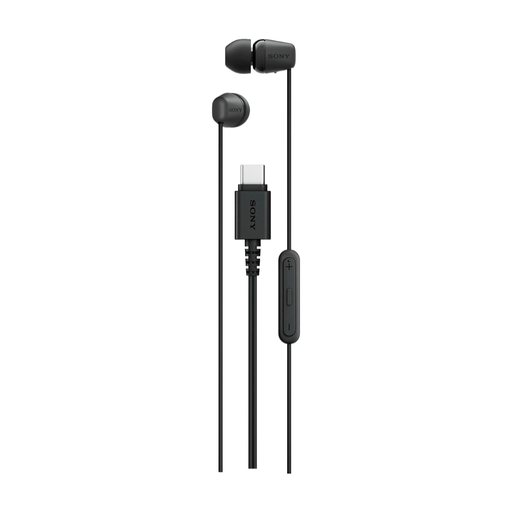
Why it suits this profile: These wired in-ear earphones are designed for everyday listening and calls without pairing or charging. The USB-C connection is compatible with many recent smartphones, tablets and laptops.
There is no battery life to worry about. However, check that your device supports USB-C audio.
USB-C, built-in microphone, remote control, 120cm cable and a stated weight of 3 grams.
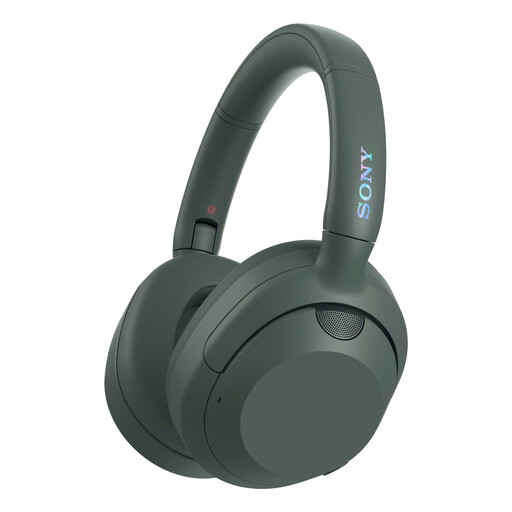
Why it suits this profile: These over-ear headphones combine active noise cancelling, Bluetooth, multipoint and a built-in microphone for music, travelling and work.
The product information lists both 30 hours with noise cancelling and a specification of 50 hours. Check the desired usage mode in the current product listing.
Bluetooth 5.2, AAC and SBC, USB-C charging, 40mm driver, foldable design and connection to two devices.
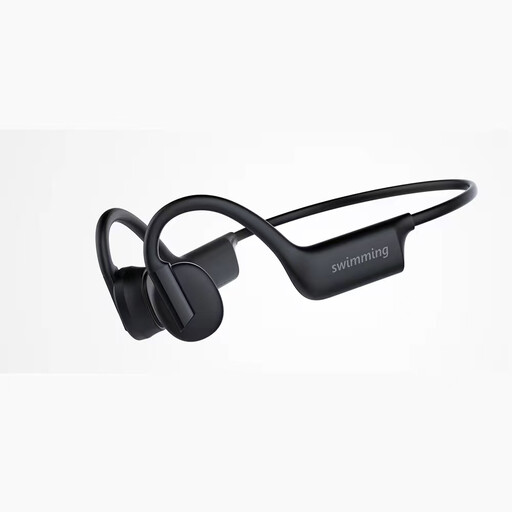
Why it suits this profile: This bone conduction model is designed for swimming and sports. The stated IPX8 rating, 32GB memory and magnetic charging cable make it suitable for use where Bluetooth is not always practical.
The internal memory means you do not have to rely entirely on a Bluetooth connection while swimming. Always dry the charging contacts before charging.
32GB storage, IPX8 according to the product information, Bluetooth, ear-hook design and a stated battery life of 8 hours.
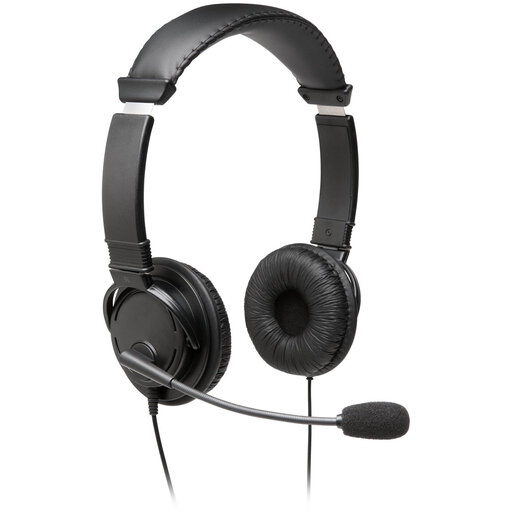
Why it suits this profile: This USB headset is designed for calls, education, office work and gaming with Windows, Mac and Chromebook.
The fixed USB connection avoids Bluetooth pairing problems. However, it is important to check beforehand that you have a free USB port.
40mm drivers, adjustable headband, 270-degree rotating microphone, 1.8-metre USB cable and compatibility with three platforms.
We have compiled a complete, up-to-date list of products that fully meet these strict selection criteria and the applicable European safety regulations.
Usage time per charge varies by model and settings. Noise cancelling, high volume, calls and Bluetooth features can drain the battery more quickly. Overall lifespan depends on charging cycles, storage and conditions of use. Wired headphones do not have a built-in battery that needs charging, although cables and connections can still wear out.
Noise cancelling headphones can reduce surrounding noise, but performance varies depending on the design and situation. According to brands’ own information, active noise cancelling may be particularly suited to constant background sounds. Voices and sudden noises may still be audible. Also check whether the headphones have an ambient mode if you want to continue hearing traffic or announcements.
That depends on local traffic regulations, your surroundings and the design. Open-ear or bone conduction headphones generally allow more surrounding sound through than a closed-back over-ear model, but always listen at a moderate volume and stay alert. Do not use headphones if they prevent you from properly hearing traffic, warnings or other road users.
