
Vandaag of morgen in huis

Kwaliteit gegarandeerd

Welkomstaanbiedingen ontgrendelen: GRATIS bezorging | Tot 80% korting | Gratis 30 dagen JoyPlus-proefperiode
Download de app
Hazelnut coffee is available as capsules, instant mixes, ready-to-drink beverages or coffee syrup. This wide range is convenient, but it makes comparing products more difficult. A packet with words like “creamy”, “intense” or “premium” doesn’t always tell you how much coffee, sugar, milk solids or hazelnut flavouring it actually contains.
If you want to enjoy hazelnut-flavoured coffee at home, it’s worth looking at the ingredients and brewing method first. That way, you can avoid buying a product that doesn’t suit your coffee machine, daily routine or preferred taste.
The taste can come from flavouring, even if no hazelnuts have been added as an ingredient. This matters for people with a nut allergy. Always check the allergen information on the packaging. For example, the Douwe Egberts hazelnut coffee syrup clearly states that the product contains hazelnut. Other products in the range do not list any of the 14 main EU allergens, but to be safe, always check the current label.
Instant products and milk drinks often consist largely of sugar, milk powder or creamer. The Trung Nguyen Legend Cappuccino Hazelnut, for instance, lists 12% instant coffee and 0.5% coffee, alongside sugar and creamer. This can be suitable if you’re looking for a sweet, mild drink, but less fitting if you expect a pronounced coffee flavour.
Coffee capsules don’t automatically fit every machine. According to the product information, the Nescafe Hazelnut Macchiato Coffee Capsules are designed for a Nescafé Dolce Gusto machine. So check the system before you order. Also look at the number of capsules per pack: six capsules are handy for trying a flavour, but may be less economical for daily use.
First, decide how you want to make your coffee:
With capsules, pay attention to the machine system. For instant coffee, check the recommended amount of water. With syrup, the dosage is particularly important, as sugar and flavour can quickly become overpowering.
If you want Arabica coffee with hazelnut, check whether 100% Arabica actually appears in the ingredients list. The Nescafe Hazelnut Macchiato states 100% Arabica and a light roast in the product description. The 10959 hazelnut capsules also mention 100% Arabica, with an aroma of roasted hazelnuts and an intense character.
A dark-roasted coffee, such as Café Nova Lungo Profundo, can taste stronger according to the product information. These capsules have strength 08 and are described with notes of hazelnut and cedarwood. That’s quite different from a sweet hazelnut cappuccino: this is a black lungo with a nutty flavour nuance.
Check the nutritional values if you drink several cups a day. According to the label, the Nescafe Hazelnut Macchiato contains 38.3% sugar and 59.7% whole milk powder, among other ingredients. This makes the drink more of a latte macchiato mix than a pure espresso with flavouring.
The Douwe Egberts hazelnut coffee syrup contains 78.1 grams of carbohydrates and sugars per 100 grams. You decide how much to add, but a generous splash will quickly affect the sweetness. Products with milk powder, milk proteins, lactose or caseinate are not suitable for everyone. So read the full ingredients list and allergen declaration.
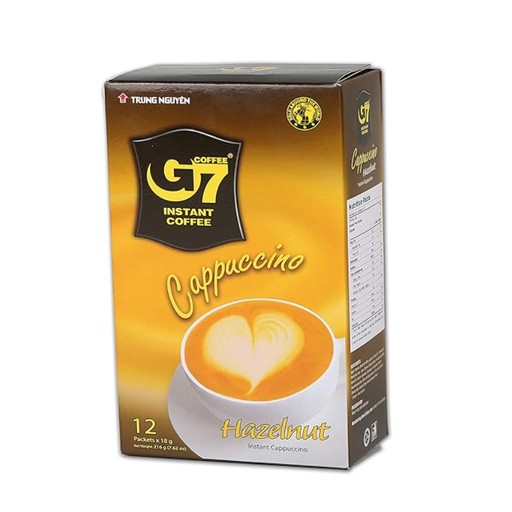
Why this fits the profile: This pack contains 12 servings of 18 grams and is designed for quick preparation with hot water. That makes this hazelnut instant coffee practical for beginners, at the office or on the go.
The portion packaging makes dosing simple. Do check the current ingredients and allergen information on the packaging before you order.
12 individual servings; no coffee machine needed; part of the range featuring Thai and Southeast Asian products.
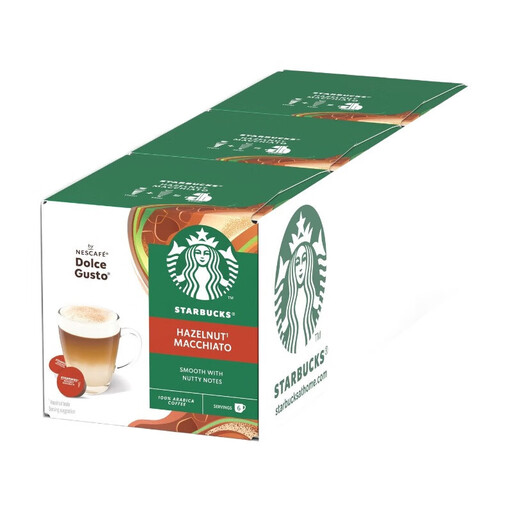
Why this fits the profile: For those who want to prepare a milky hazelnut latte macchiato at home using a Dolce Gusto machine. The product information states 100% Arabica, a light roast and roasted hazelnut notes.
The brewing method and machine compatibility are clearly described. Do note the sugar content of 38.3% and the presence of milk ingredients.
100% Arabica according to the product description; six capsules; combination of espresso, milk and hazelnut flavour.
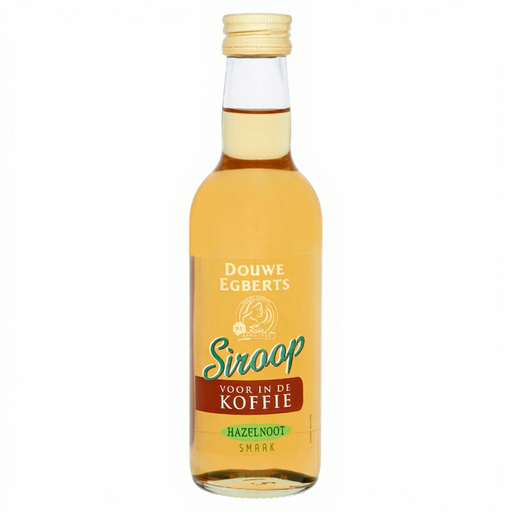
Why this fits the profile: Ideal for coffee drinkers who want to control the strength of their hazelnut latte, cappuccino or black coffee themselves. You use the syrup with your existing coffee.
You’re not tied to one fixed sweetness or coffee preparation. Bear in mind the stated 78.1 grams of sugar per 100 grams and the presence of hazelnut allergen.
250 ml content; suitable for different coffee preparations; dosage can be adjusted per cup.
We’ve put together a full, up-to-date list of products that fully meet these strict selection criteria and comply with current European safety regulations.
Store capsules, instant coffee and syrup in a cool, dry place, away from direct sunlight and out of the reach of heat and moisture. Seal an opened pack tightly. For ready-to-drink beverages, follow the instructions on the label; some products need to be refrigerated after opening.
Check the best-before date on coffee capsules and make sure the packaging is undamaged. With instant mixes, use the recommended amount of water to prevent the drink from becoming too sweet or too watery. With syrup, start with a small amount and then adjust to taste.
No. Some products use only flavouring, while others actually contain hazelnut. The Douwe Egberts hazelnut coffee syrup lists hazelnut as an allergen. Always check the current label, even if a product previously seemed suitable.
Choose hazelnut instant coffee, such as a cappuccino mix in portion packs, or a ready-to-drink beverage. Instant coffee only needs hot water. A bottle or pouch can be drunk straight away following the instructions on the packaging.
That depends on the product type and the dosage. Divide the price by the number of capsules or servings. With syrup, calculate the cost based on the amount per cup. Capsules can cost more per serving, whereas with syrup you can adapt regular coffee without buying a new capsule system.
