
Vandaag of morgen in huis

Kwaliteit gegarandeerd

Welkomstaanbiedingen ontgrendelen: GRATIS bezorging | Tot 80% korting | Gratis 30 dagen JoyPlus-proefperiode
Download de app
A box of breakfast cereal can seem like an easy choice. But products vary widely in their sugar, fibre and protein content, ingredients and serving sizes. And packaging claims such as “natural”, “wholegrain” or “no added sugars” don’t tell the whole story.
The main pitfalls to watch out for:
Start by checking the “of which sugars” figure per 100 g. Then compare the ingredients. Sugar, glucose syrup, honey, date concentrate and fruit syrup can all appear in a recipe under different names.
If you’re looking for a breakfast cereal with no added sugars, the claim matters, but you should also check the sugar content. For example, Quaker Zs Cruesli Natural lists 3.8 g of sugars per 100 g and, according to the product information, contains no added sugars or sweeteners. The raisin and hazelnut version lists 9.4 g of sugars per 100 g, partly due to the raisins.
When choosing wholegrain breakfast cereals, look at the proportion of wholegrain ingredients as well as the fibre content. These figures aren’t the same. A product can contain wholegrain cereals but still provide less fibre per 100 g because of its other ingredients.
For comparison, the product information lists:
Nutritional values can change when recipes or packaging are updated. Always check the current label before you buy.
If you’re looking for a high-protein breakfast, compare the protein content per 100 g rather than relying on the product name alone. Bolletje Ball of Crunchy Muesli Protein lists 23 g of protein per 100 g. That’s considerably more than many traditional crunchy muesli products, but it also contains soya, wheat, almonds and other potential allergens.
For a vegan breakfast, check the ingredients and allergen information. According to the product information, Quaker Cruesli Zero Sugar Added Apple, Pecan and Cinnamon is marketed as suitable for vegans. If you have allergies, always check the packaging, especially for statements such as “may contain milk or nuts”.
Porridge oats are a practical choice if you like to add your own fruit, nuts, cinnamon or plant-based drink. According to the product information, Brinta Oatmeal is made from 100% oat flakes and contains 13 g of protein per 100 g. Its finely ground texture is designed for quick preparation with water or milk.
Crunchy muesli and granola are good choices when texture matters. Just be aware of the differences between plain, fruit, chocolate and nut varieties. Dried fruit and chocolate add flavour, but can also increase the sugar and calorie content.
A plant-based oat drink works well with porridge, muesli or coffee. According to the product label, OATLY Oat Drink Barista Edition contains 10% oats and is designed to froth. Per 100 ml, it lists 61 kcal, 3.4 g of sugars and 1.1 g of protein. A barista oat drink is therefore mainly a practical choice for coffee and frothing, rather than an automatic substitute for a high-protein breakfast component.
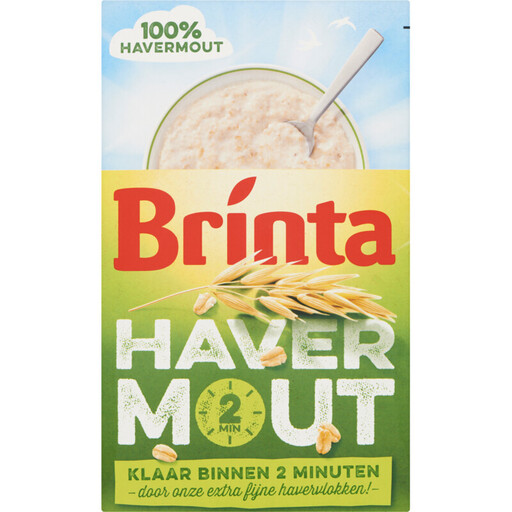
Why it suits this profile: A simple base for a hot breakfast, with the option to add your own milk, plant-based oat drink, fruit or nuts.
The ingredients list states that it contains 100% oat flakes. There are no syrups, chocolate or dried fruit to factor in.
According to the product information, it contains 9.7 g of fibre and 13 g of protein per 100 g; 11 servings per pack.
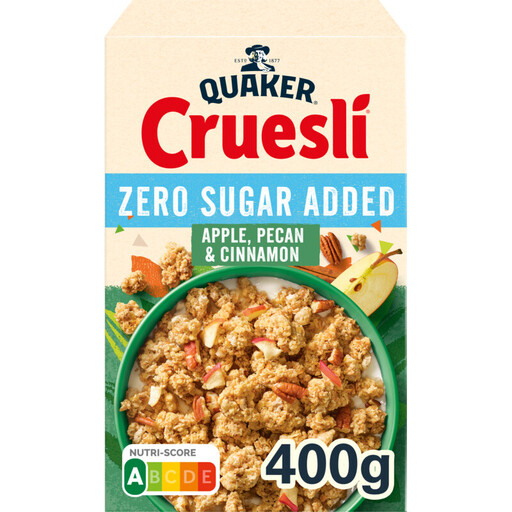
Why it suits this profile: For anyone who wants crunchy muesli with fruit and nut flavours, alongside a lower sugar content according to the label.
The no-added-sugars claim is backed up by figures you can check: 5 g of sugars and 24 g of fibre per 100 g.
According to the product information, it contains 39% wholegrain oats and 16% wholegrain wheat; the product description states that it’s suitable for vegans.
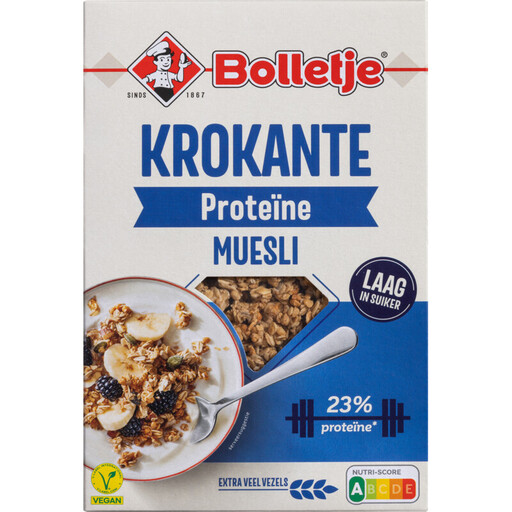
Why it suits this profile: For sportspeople or active shoppers who want to focus on protein and a crunchy texture at breakfast.
The protein content is clearly stated: 23 g per 100 g. That means you don’t have to rely on the product name alone.
According to the product information, it contains 23 g of protein, 11 g of fibre and 5 g of sugars per 100 g.
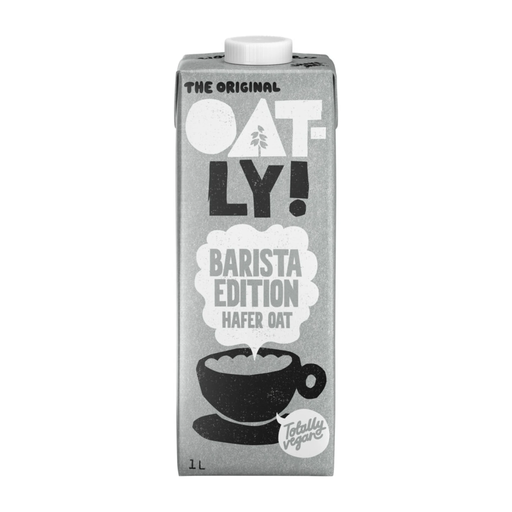
Why it suits this profile: A plant-based oat drink for coffee, porridge and breakfast cereals, designed for when frothing matters.
The product description specifically mentions that it’s suitable for frothing. So you’re choosing it for how you’ll use it, not just because it’s plant-based.
Contains 10% oats and is enriched with vitamins and minerals according to the label; available in a 1-litre pack.
We’ve put together a complete, up-to-date list of products that meet these strict selection criteria and current European safety regulations.
Not necessarily. “No added sugars” means that, according to the product information, no sugar or sweeteners have been added to the recipe. The product may still contain natural sugars and provide relatively high amounts of energy from oil, nuts or cereals. So always compare the full nutrition table.
Muesli is often made from flakes, seeds, nuts and dried fruit, without everything being baked until crunchy. Cruesli is a brand name for crunchy muesli. Granola is usually toasted and may contain oil, syrup, sugar, nuts or chocolate. The way it’s made doesn’t automatically tell you how much sugar or fibre it contains.
Store breakfast cereals in a cool, dry place, away from direct sunlight. Seal the pack tightly to keep them crunchy. If the packaging is damaged, check the contents for freshness and follow the instructions on the label. Once opened, store oat drink in the fridge and use it within the time stated on the packaging.
