
Vandaag of morgen in huis

Kwaliteit gegarandeerd

Welkomstaanbiedingen ontgrendelen: GRATIS bezorging | Tot 80% korting | Gratis 30 dagen JoyPlus-proefperiode
Download de app
A hat or cap may seem simple to choose, but small differences in size, material and construction can determine whether it stays comfortable to wear for months. Hats and caps also come with marketing terms that don’t always tell the whole story. A “waterproof cap”, for example, may be best suited to light rain, while a “breathable cap” can still feel warm during vigorous exercise.
This practical buying guide helps you compare a sun hat, sports cap, baseball cap, outdoor hat, beanie and other styles based on verifiable features.
A good-looking baseball cap isn’t automatically suitable for running or walking. A sturdy cotton fabric can be comfortable for everyday wear, but less suitable if you sweat a lot. For sport and travel, low weight, ventilation and a sweatband that wicks away moisture are often more important than the colour or logo alone.
Terms such as UPF50+ sun protection, “waterproof” and “windproof” deserve a closer look. Check whether the product description also specifies the material, construction and care instructions. A wide brim can provide more shade than a short peak, but may make a hat less compact to pack in a bag.
The product description for the PELLIOT Fisherman Outdoor Hat states that the fabric is UPF50+ and blocks at least 92% of UV radiation, according to the listed product specifications. This is a claim made in the product information, not a universal guarantee for every situation. A cap also won’t automatically protect all exposed skin.
A unisex hat or cap in one size may offer some flexibility, but it won’t fit everyone in the same way. Always check the stated head circumference. An adjustable cap usually offers more flexibility than a closed Flexfit style. Fit matters for a beanie, too: a deep beanie covers more, while a close-fitting hat is less likely to slip while cycling or walking.
Measure your head with a flexible tape measure, about one centimetre above your eyebrows and ears. Compare your measurement with the product’s size chart.
Look out for these features:
A size M-L for 56-58 cm isn’t the same as one for 57-61 cm. A difference of a few centimetres can become noticeable when you wear it for a long time.
For a breathable cap, mesh panels, ventilation openings and a moisture-absorbing sweatband are useful features to look for. Polyester usually dries quickly, making it practical for sport and travel. Cotton feels soft, but can hold on to moisture for longer. A blend of polyester, cotton and elastane can offer comfort and flexibility.
Check the care instructions, too. Some styles can only be hand-washed. Others can go in the washing machine on a delicate cycle, but need to air-dry. Always follow the care label: washing incorrectly can damage the shape, peak or finish.
A wide brim provides more all-round shade and suits a sun hat or outdoor hat. A curved peak is compact and practical for running, walking and everyday wear. A neck flap can provide extra coverage, but makes the style less understated for commuting.
With a waterproof cap, it’s important to distinguish between water-repellent and waterproof. A three-layer construction with an outer layer, membrane and mesh lining indicates a more substantial design than fabric that has simply been treated. Check whether the manufacturer recommends the product for heavy rain or just light showers.
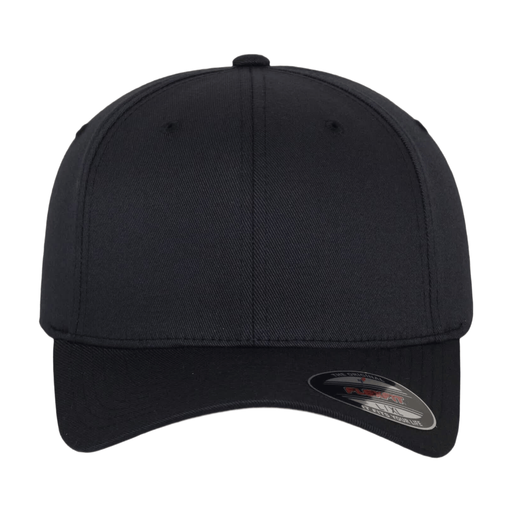
Why it suits this profile: A straightforward baseball cap for everyday wear, casual outfits and short outdoor activities.
The size chart lists head circumferences from 53 to 64 cm, so you don’t have to rely on “one size” alone.
63% polyester, 34% cotton and 3% elastane; the S/M version is designed for 54-56 cm.
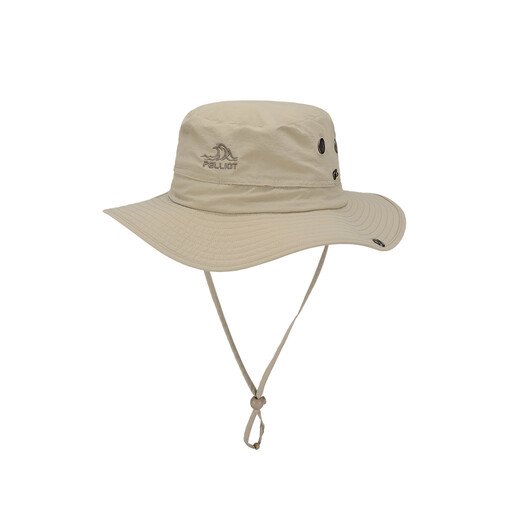
Why it suits this profile: Designed for walking, camping, travelling and other activities where sun protection, wind resistance and comfort all matter.
The wide brim and adjustable cord are more specific features than a general outdoor claim alone.
The product description lists UPF50+, a moisture-absorbing sweatband and a convertible brim.

Why it suits this profile: For running, golf, walking and travel, when a lightweight, packable sports cap is important.
The sizes are listed separately as M-L, L-XL and XL-XXL. The product information also recommends hand washing.
100% polyester, mesh for airflow, a cooling sweatband and an adjustable peak.
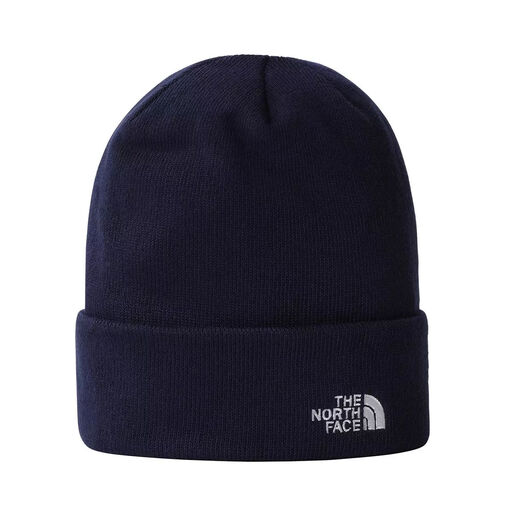
Why it suits this profile: A classic winter hat for city life, travel and light outdoor activities.
The product information lists several sizes and head circumferences, making it easier to compare the fit more precisely.
According to the product details, the material is 95% recycled polyester and the hat has a turned-up cuff.
We’ve put together a complete, up-to-date list of products that meet these strict selection criteria and the applicable European safety regulations.
How long a cap or hat lasts depends largely on how you use and care for it. Sweat, rain and direct sunlight can cause materials to fade or lose their shape more quickly. Let a wet hat air-dry completely and avoid storing it in a warm place for long periods.
Also bear these points in mind:
Choose a lightweight style with ventilation openings, a moisture-absorbing sweatband and a secure fit. A running cap with an adjustable fastening or a choice of sizes is generally easier to fit than a closed style. Check whether it needs to be hand-washed, too.
Not completely. A UPF rating applies to the fabric in question, while protection for your face, neck and ears depends on the hat’s shape and brim width. A wide brim can provide more shade. The product descriptions for some styles, such as the PELLIOT outdoor hat, state that they are UPF50+; always check the full product information and cover any exposed skin in other ways.
Use a tape measure around your head, above your eyebrows and ears, without pulling it tight. Note the measurement in centimetres and compare it with the size chart. If you’re between sizes, an adjustable cap may be more practical, as long as its adjustment range accommodates your measurement.
