
Vandaag of morgen in huis

Kwaliteit gegarandeerd

Welkomstaanbiedingen ontgrendelen: GRATIS bezorging | Tot 80% korting | Gratis 30 dagen JoyPlus-proefperiode
Download de app
A head covering might seem simple to choose, but online photos don’t tell the whole story. A baseball cap can look great, yet feel too tight on a walk. A wide-brimmed sun hat can offer plenty of shade, but be awkward to store. And a winter beanie that feels warm in the shop might not offer enough ventilation during active wear.
The most common buying mistakes when it comes to hats and caps are:
With the points below, you can compare models based on verifiable information rather than just brand name or looks.
Measure your head circumference with a flexible tape measure, about one centimetre above your eyebrows. Keep the tape comfortably against your head without pulling it tight. Compare the result with the product’s size guide.
An adjustable cap with a buckle, Velcro, elastic band or drawcord offers more leeway. A closed Flexfit model can fit snugly, but requires an accurate size choice. Also pay attention to the crown depth: a deep beanie or winter hat covers the ears better, while a low-profile baseball cap can be less warm.
For UV protection, a concrete indication is more useful than just “sunblock”. Some models in the range state UPF 50+. According to the product description for Beneunder, the AL500 features Raw Yarn UV Protection Technology with UPF 50+; according to that same product information, the hat is said to block at least 99% of UV radiation. This is a claim from the brand’s product information and should not be taken as a general guarantee for every wearing or weather situation.
PELLIOT and TOP-EX also state UPF 50+ on specific models. Always check which areas are actually covered. According to the product description, a wide brim also protects the face, neck and ears, while a standard sports cap mainly shields the face from direct sun.
When it comes to rain, the difference between water-repellent and waterproof is important. A waterproof cap with a neck flap can be suitable for fishing or kayaking, but also check the seams, closure and care instructions. A cotton or linen cap is not automatically suitable for prolonged rain.
For warm weather, ventilation panels, mesh and a moisture-wicking inner band are practical features. Polyester generally dries quickly, while linen can feel light and airy. The TOP-EX variant with 100% linen and a cotton lining is described in the product description as a breathable choice for activities including golf and walking. The manufacturer also mentions an adjustable sweatband.
A foldable hat is handy for travel, but check whether the brim retains its shape after storage. A flexible brim can be practical, while a stiffer brim gives more structure. For winter use, acrylic and recycled polyester are common materials. When choosing a beanie, check the available circumference sizes, especially if you prefer a roomy fit.
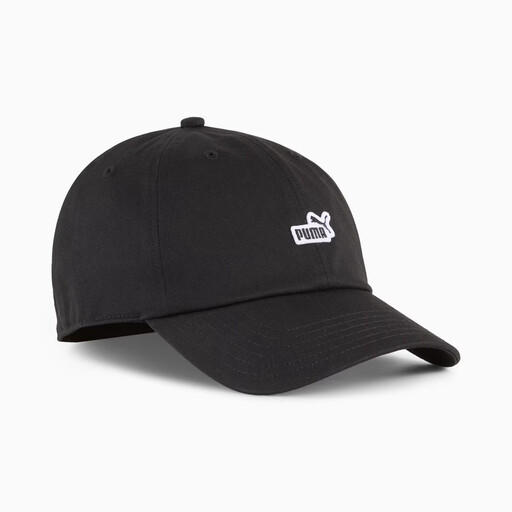
Why this fits the profile: A versatile unisex baseball cap for everyday wear, sport and casual outfits. The adjustable strap makes it accessible for different head sizes.
The product information mentions an adjustable closure, embroidered ventilation eyelets and a moisture-wicking sweatband. This means you don’t have to rely solely on the fit of a closed model.
Six panels, curved brim, adjustable strap and unisex design.
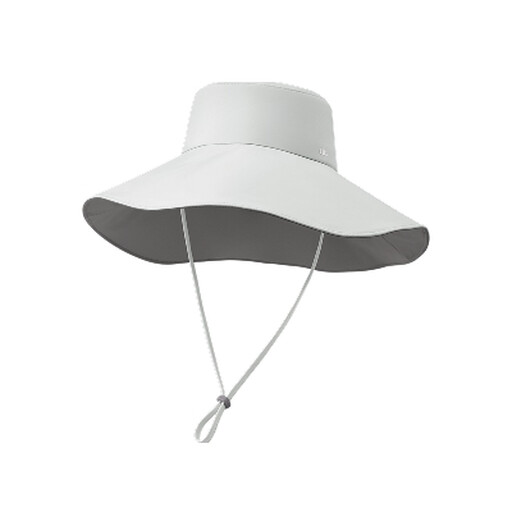
Why this fits the profile: For travel, beach days and hiking where a wide brim and a striking design are desired. The hat is reversible and, according to the product description, foldable.
The wide brim is specified at 16 cm and the ventilation panels are listed in the product information. This gives more certainty than a general claim about sun comfort.
Reversible design, 100% polyester woven fabric and stated UPF 50+ specification.

Why this fits the profile: Designed for fishing, hiking, kayaking and other activities where sun, wind and splashes may occur.
The product description states 100% nylon, a detachable neck flap, UPF 50+, waterproofing and a drawcord. Do check the size before purchasing: 57–65 cm is divided across several options.
2-in-1 design, adjustable drawcord, foldable construction and stated UPF 50+ specification.
The lifespan depends on the material, use and cleaning. Always follow the care label. According to the product information, a PUMA cap should ideally be spot cleaned and air dried. The TOP-EX cap with neck flap recommends hand washing. A beanie made from recycled polyester can sometimes be washed at 40 °C, but check the specific label.
Store a hat in a dry place and let any perspiration evaporate first. Do not leave a wet cap in a bag for a long time. With a foldable hat, it helps to reshape the brim after unpacking. This prevents unnecessary wear to the peak and seams.
We have compiled a full, up-to-date list of products that fully meet these strict selection criteria and comply with current European safety regulations.
Look for a wide brim, ventilation and an adjustable cord. An outdoor hat or bucket hat with a stated UPF specification can offer more coverage than a standard sports cap. For intensive walks, a low weight and quick-drying material are also practical.
Measure the circumference around your head, just above your eyebrows and ears. Compare the centimetres with the size guide. If you are between sizes, choose a model with an adjustable closure or a flexible band, unless you specifically want a fixed fit.
Follow the care instructions for the product. Many models should not go in the washing machine. Spot cleaning with a soft, damp cloth is often recommended for baseball caps. Air dry the head covering and do not use direct heat, unless the label expressly allows it.
