
Vandaag of morgen in huis

Kwaliteit gegarandeerd

Welkomstaanbiedingen ontgrendelen: GRATIS bezorging | Tot 80% korting | Gratis 30 dagen JoyPlus-proefperiode
Download de app
Fancy some Asian snacks, but not sure whether to choose Indian snacks, a Japanese mix, Thai snacks or a classic nut mix? There’s plenty of choice, and the packaging doesn’t always make it clear what you’re getting. For example, a snack that looks spicy may taste mostly of salt. A large bag might seem like good value, but it’s less convenient if you want to try different flavours.
So look out for these three common pitfalls:
Marketing claims without clear product details
Words such as “authentic”, “traditional” or “premium” don’t tell you much on their own. Check the ingredients, weight, contents and preparation method instead.
Allergens that are easy to miss
Indian snacks often contain peanuts, chickpea flour, wheat or sesame. Japanese mixes may contain peanuts, soya, wheat and sesame, among other ingredients. Always check the pack label, especially when buying snacks to share.
The wrong portion size for the occasion
A 200 or 300g bag works well for drinks and nibbles or a party, while smaller portions are more convenient on the go. For a family or guests, a party pack with several small bags may be more practical than one large pack.
The ingredients list shows you what a snack actually contains. Bhujia and other Indian snack mixes often include potato, chickpea flour, rice, peanuts and spices. Bhelpuri may contain puffed rice, sev, lentils and peanuts, among other ingredients.
Pay particular attention to:
Online product information may differ from what’s on the packaging. Always use the physical label as your main source for allergen information, nutritional values and shelf life.
“Spicy snacks” can vary greatly in flavour. According to the product description, Punjabi Tadka includes red chilli, coriander, cumin, mango powder, ginger and paprika, among other ingredients. This suggests a richly spiced snack with several layers of flavour, rather than one that’s all about the chilli.
A practical guide:
For drinks and nibbles with several guests, a combination often works better than one strong flavour. For example, serve a nut mix alongside an Indian snack mix and a mild party snack.
A 150–200g pack is suitable for trying at home or sharing with a few people. For a larger group, packs of 250g or more, or multipacks with individual bags, are more convenient.
Also consider how the snacks should be stored:
Nutritional values can help you compare products, but they don’t automatically tell you how something will taste or whether it’s right for the occasion. For example, ChaCha Daily Nuts comes in several small 23g portions, while a large nut mix is mainly intended for serving at the table.
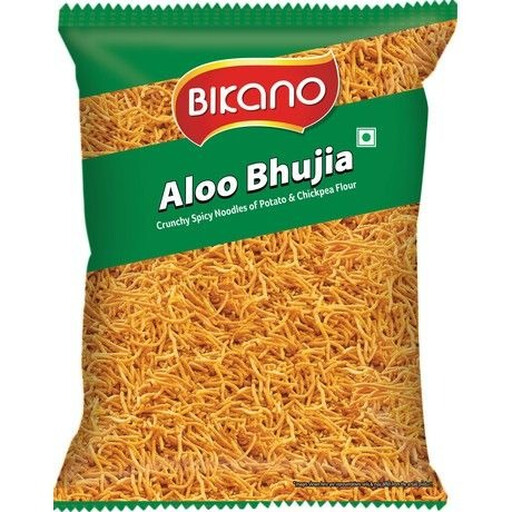
Why it suits this profile: This ready-to-eat Indian snack has familiar potato and chickpea flour at its heart. It’s ideal with tea, for a casual get-together or as a first taste of bhujia.
The ingredients and 200g weight are clearly stated. Do check the current packaging and allergen information before buying.
A crisp potato and chickpea mix that’s ready to eat and ideal for sharing.

Why it suits this profile: The mix contains walnuts, cashews, almonds, hazelnuts, raisins and cranberries. Its five 23g portions are easy to keep track of and handy for work, travel or an individual snack break.
The portion size is clearly stated on the pack, so you’re less likely to need a large opened bag.
Five individual bags and a clearly listed mix of nuts and dried fruit.
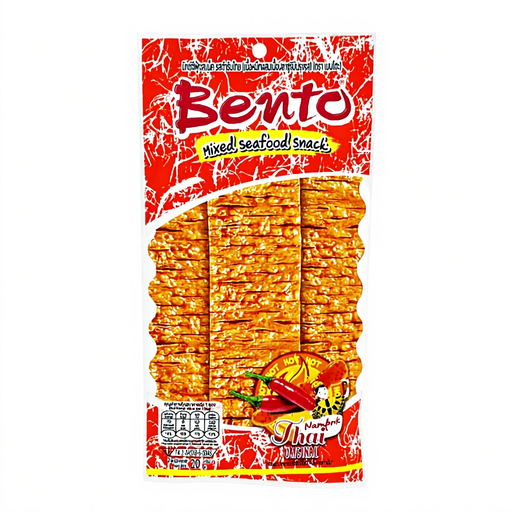
Why it suits this profile: This small Thai snack is made for fans of salty, spiced and umami-rich flavours. The 20g pack is handy for snacking on the go or adding to rice, noodles or salad.
The small pack means you won’t have to buy a large bag for a specific occasion. Do check the listed seafood and fish allergens.
A handy snack to take with you, with a distinctive Thai namprik seasoning.

Why it suits this profile: The 250g pack is practical for sharing around a table with several guests. The mix includes cornflour, peanuts, seaweed, garlic and red chilli extract, among other ingredients.
The weight and product category are clear, helping you choose the right amount for a get-together rather than judging by the packaging alone.
250g of snacks to share, with a crisp mix of savoury, spiced flavours.
We’ve put together a complete, up-to-date list of products that meet these strict selection criteria and the applicable European safety regulations.
A Japanese mix, a mild nut mix or aloo bhujia is usually an easy choice, as these snacks can be eaten straight from the pack. If you’re after bolder flavours, try Punjabi Tadka, Madras mix or a Thai snack with namprik seasoning.
Store dry snacks in a cool, dry place and seal them well. This limits their exposure to moisture, which can make them less crisp. Always check the instructions on the packaging. Frozen products, such as party snacks from the freezer, should stay frozen until you’re ready to prepare them.
Choose a mix of portion sizes and flavours. A 200–300g pack is suitable for a sharing bowl. Add individual bags for guests who prefer to open their own portion. If you’re catering for a mixed group, check the allergens in advance, especially nuts, peanuts, gluten and seafood.
