
Vandaag of morgen in huis

Kwaliteit gegarandeerd

Welkomstaanbiedingen ontgrendelen: GRATIS bezorging | Tot 80% korting | Gratis 30 dagen JoyPlus-proefperiode
Download de app
Fancy spicy Asian snacks, but not sure whether to choose Chinese, Korean or Thai snacks? There’s plenty to choose from, from seaweed and soya snacks to tofu snacks, konjac snacks, seafood snacks and spicy crisps. The packaging often says “spicy”, “high protein” or “ready to eat”, but that doesn’t tell the whole story.
Shopping with a clear idea of what you want can help you avoid these three common mistakes:
“Spicy” doesn’t mean the same thing in every product. Chinese snacks such as mala soya snacks often combine chilli with Sichuan pepper. Korean snacks can have a sweet and spicy flavour from chilli paste and sugar. Thai snacks might use chilli, garlic, lemongrass or lime leaves.
So check:
A brand’s product description gives information about the ingredients and how the product is positioned; it doesn’t guarantee a particular taste experience. So consider how the ingredients match your own preferences.
Don’t compare values per 100 grams alone. Work out the figures for the portion you’ll actually eat, too. For example, Wuxianzhai Small Vegetarian Meat Spicy Flavour contains 20.9 grams of protein per 100 grams and weighs 80 grams. So the whole pack contains a different amount from the figure on the label.
Also check:
Use nutritional values to compare products, not as a medical or health claim.
Always check the allergen information before buying. Common ingredients include soya, wheat/gluten and sesame. Seafood snacks can contain fish, squid, prawns, molluscs and shellfish. Sweeteners and sulphites are usually listed separately.
Also consider how you’ll use the snacks:
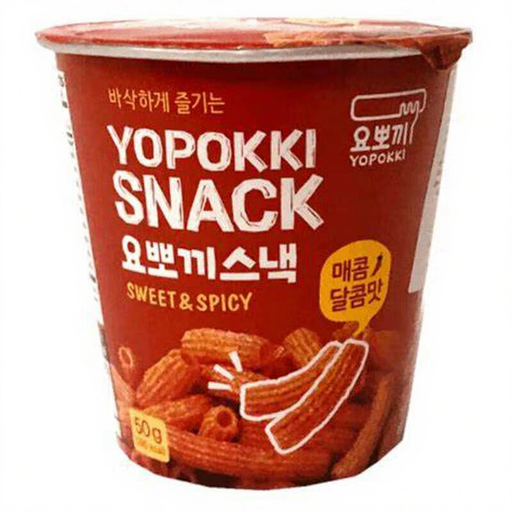
Why it suits this profile: A small pack that lets you try a Korean snack without committing to a large multipack. Its flavour combines chilli with sweet topokki and pizza seasoning.
The 50-gram portion is clearly defined. Do check for wheat, milk and soya, as well as the sweeteners and a source of phenylalanine listed on the pack.
Ready to eat, in a 50-gram pack, with 560 kcal and 16 grams of sugar per 100 grams according to the product information.
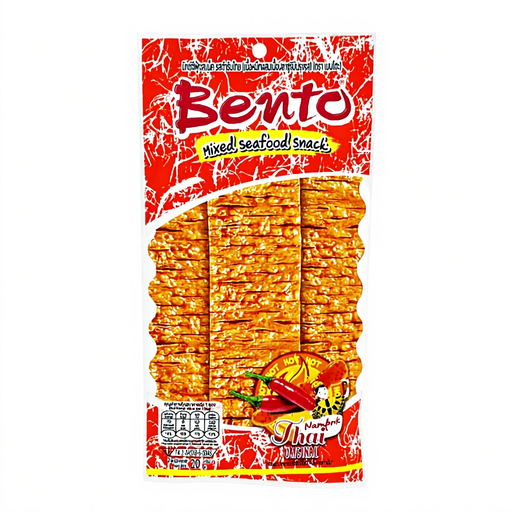
Why it suits this profile: A good choice if you’re looking for a compact seafood snack with Thai seasoning. The 20-gram pack fits easily into a bag or lunchbox.
The product information lists fish, squid, prawns, molluscs and shellfish as allergens. This makes it easier to decide if you need to avoid these ingredients.
Ready to eat, with 20 grams per pack and, according to the label, 25 grams of protein per 100 grams.
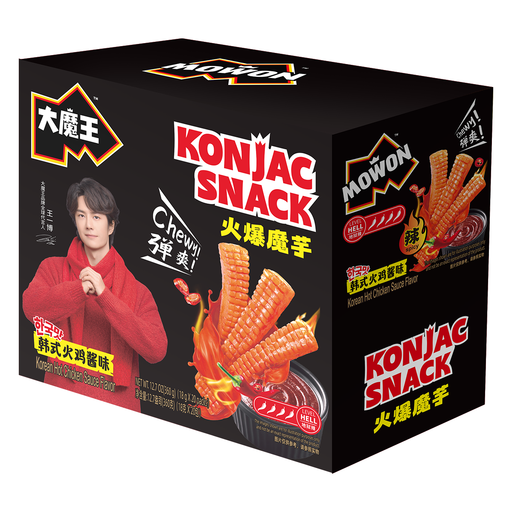
Why it suits this profile: This multipack contains 20 individually wrapped 18-gram portions. It’s handy for the office, travelling, keeping at home or sharing during a film night.
The individual packs reduce the risk of an opened bag being left for too long. Do check the ingredients list for wheat, soya, sesame and sweeteners.
360 grams in total, ready to eat and, according to the product information, 104 kcal per 100 grams.
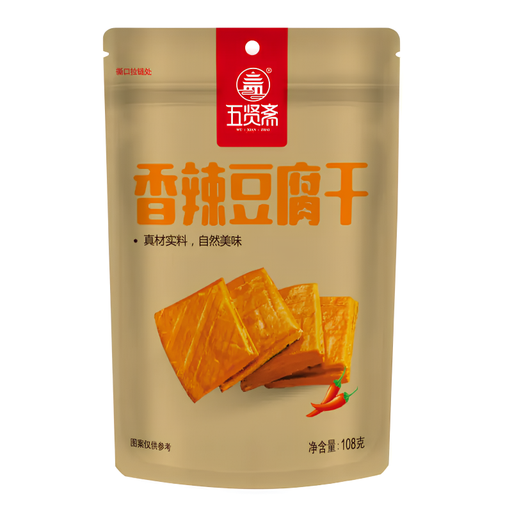
Why it suits this profile: A Chinese tofu snack for anyone who enjoys a savoury, substantial bite and several smaller portions. According to the product information, the pack contains 7 to 8 individual sachets.
The individual sachets make the snack easier to store and portion. Check for soya and wheat allergens, and eat the product soon after opening.
108 grams, ready to eat, with 15 grams of protein and 203 kcal per 100 grams according to the label.
We’ve put together a complete, up-to-date list of products that meet these strict selection criteria and the applicable European safety regulations.
Choose small, shelf-stable packs that are ready to eat. Individually wrapped portions of konjac, tofu, seaweed or dried seafood snacks are easy to carry in a bag. Check beforehand whether the product needs to be chilled or kept frozen.
It depends on the product. Soya snacks, tofu snacks and some seaweed snacks are vegetarian according to their ingredients lists. Other products may contain fish, prawns, squid or meat. Check sauces and seasoning powders, too: these may contain soya, milk or fish ingredients.
Always follow the instructions on the packaging. Many shelf-stable products should be kept in a cool, dry place and eaten soon after opening. Keep frozen products at the stated temperature and don’t refreeze them after thawing. If in doubt, follow the product page or label.
