
Vandaag of morgen in huis

Kwaliteit gegarandeerd

Welkomstaanbiedingen ontgrendelen: GRATIS bezorging | Tot 80% korting | Gratis 30 dagen JoyPlus-proefperiode
Download de app
A spicy konjac snack is a convenient way to try Chinese snacks, Sichuan flavours and a chewy texture without cooking. But many packs look similar. Some snacks are individually wrapped, while others come in a single bag. Salt content, allergens, portion size and texture can also vary considerably.
If you choose a product based only on words such as “crispy”, “low-calorie” or “authentic mala flavour”, you could end up with something that doesn’t suit your preferences. So, keep an eye out for these three common pitfalls.
A strong chilli or Sichuan flavour often comes with oil, salt, flavour enhancers and spices. So, don’t just look at the front of the pack: check the nutritional information per 100g too.
For comparison:
These figures show why a “light” or low-calorie snack isn’t necessarily low in salt.
A 360g box may contain twenty 18g bags. That’s handy for work, taking on the go or sharing, but it can also tempt you to eat several portions in a row. So, check both the net weight and the amount in each bag.
Individual wrapping is also useful for hygiene and convenience when it comes to ready-to-eat Asian snacks. Once opened, follow the instructions on the packaging. Some products need to be refrigerated after opening or eaten promptly.
A Chinese konjac snack called “vegetarian tripe” is plant-based and ridged in shape, resembling tripe. According to the ingredients listed, the product contains no animal tripe. However, that doesn’t mean every product is free from common allergens.
Look out for ingredients such as:
If you have an allergy, always check the latest packaging. Recipes and labels can change.
Konjac snacks can be soft and springy, but they can also have a crunchy exterior or a ridged shape. Product descriptions don’t always use words such as “crispy”, “crunchy”, “springy” and “chewy” in the same way.
For your first try, a bag of around 105 to 200g is a manageable size. If you want to take the snack with you or share it, look for a box with 20 small bags. With a larger pack, check the actual portion size per pack, not just the total weight.
Compare at least:
For example, the 252g Wei Long version lists 6% konjac flour, while other products give a different percentage. A higher konjac percentage doesn’t determine the whole composition: oil, starch, sauces and spices also affect flavour and texture.
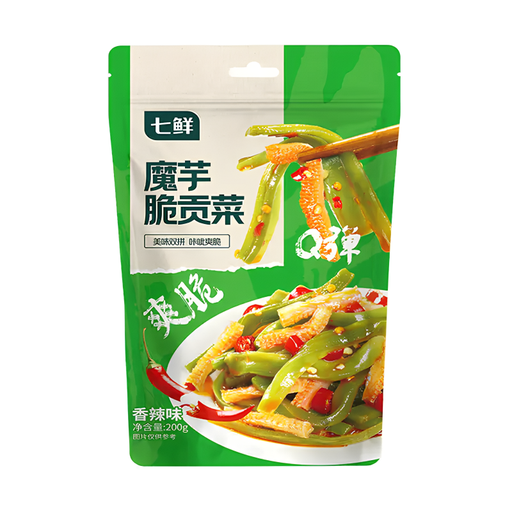
Why it suits this profile: This 200g bag combines konjac with water spinach and is ready to eat, according to the product description. It’s a good way to try a spicy konjac snack without buying a large multipack straight away.
The net weight is clearly stated, and the ingredients list includes konjac powder, chilli, oil and salt. This means you can check what’s in it rather than relying on the flavour claim alone.
200g; ready to eat; a combination of konjac and edible vegetables; no allergens listed in the product information.

Why it suits this profile: The pack contains 20 individual 18g bags. The product information describes a combination of crunchy and chewy textures, chilli and Sichuan pepper. It’s a good choice for anyone who cares most about texture and regional flavour.
The pack size makes the portion clear: 20 bags of 18g each. The ingredients and allergens, including soya and wheat, are listed so you can check them beforehand.
360g; 20 individually wrapped portions; 114 kcal per 100g; Sichuan pepper and chilli in the ingredients list.

Why it suits this profile: This version is for anyone after a pronounced chilli oil flavour and a firm, ridged bite. It’s individually wrapped and can be eaten straight from the pack, according to the product information.
The 180g pack is smaller than many multipacks. The product information also lists soya, sesame and wheat, so you can take allergens into account when deciding what to buy.
180g; 84 kcal per 100g; chilli oil and sesame in the ingredients; ready to eat and easy to take with you.
We’ve put together a complete, up-to-date list of products that meet these strict selection criteria and current European safety requirements.
No. “Konjac tripe” refers to a plant-based snack with a ridged shape and a texture that can resemble tripe. If you want to avoid animal ingredients, always check the latest ingredients list.
Store unopened products as directed on the packaging, usually in a cool, dry place away from direct sunlight. Some versions need to be refrigerated and eaten promptly once opened. Don’t use packaging that is swollen, leaking or damaged.
Start by comparing portion size, salt content, allergens, texture and the konjac percentage. A smaller pack is handy if you’re trying one for the first time. If you’re mainly after Sichuan flavours, look for chilli, Sichuan pepper, mala or hotpot seasoning in the ingredients list.
