
Vandaag of morgen in huis

Kwaliteit gegarandeerd

Welkomstaanbiedingen ontgrendelen: GRATIS bezorging | Tot 80% korting | Gratis 30 dagen JoyPlus-proefperiode
Download de app
Walking your large, enthusiastic dog can sometimes feel like a workout, especially if they pull hard on the leash. A good harness for large dogs provides control and safety without straining your dog's neck. But with so many options on the market, finding the right one can be a challenge.
As a Joybuy Product Recommendation Officer, I'm here to help you see past the marketing jargon. This guide is designed to help you make a choice based on the practical features that truly matter for you and your large, four-legged friend.
Before we dive into the products, here are a few key considerations to help you make an informed decision.
A harness that doesn't fit properly is uncomfortable and unsafe. If it's too loose, it can cause chafing or your dog might slip out. If it's too tight, it can restrict movement and breathing. Look for an adjustable dog harness with multiple points of adjustment around the chest and belly. Measure your dog's chest girth (the widest part behind the front legs) and compare it to the manufacturer's sizing chart. Always allow a few extra centimetres for comfort.
Large breeds like Labradors, Shepherds, and Retrievers can exert a lot of force, so a sturdy dog harness is essential. Materials like reinforced nylon are popular for their durability and weather resistance. Also, pay attention to the quality of the stitching and the D-rings (where you attach the leash). These should be made of metal and securely attached. For active dogs or walks in warm weather, a comfortable dog harness made from breathable mesh fabric can be a great option.
There are several types of harnesses, each with its own pros and cons:
Based on product specifications and functionality, we've highlighted some interesting options for you.
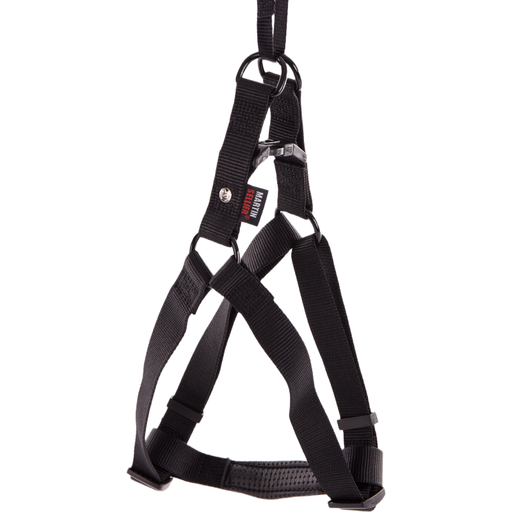
Why it stands out This harness from Martin Sellier is a classic step-in dog harness. Its design focuses on simplicity and speed. Your dog steps in, you clip it shut, and you're ready to go. It's made from robust nylon and designed to distribute the force of a large dog evenly across the chest. According to the supplier, it comes with a 10-year guarantee, which indicates confidence in the material's durability.
Pros
Who is it for? For dog owners looking for a no-fuss, reliable, and sturdy dog harness for daily walks. It's ideal if your dog dislikes having a harness pulled over its head.
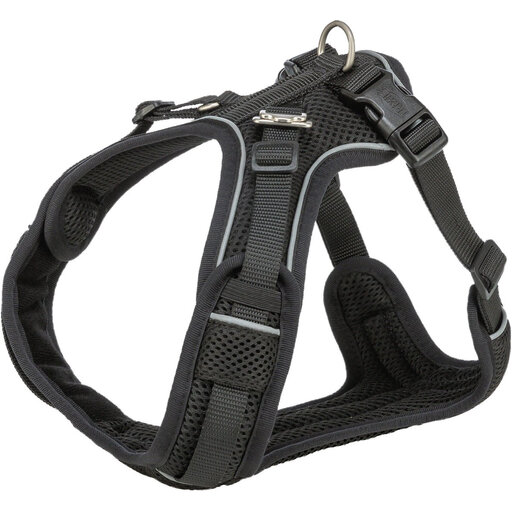
Why it stands out This Trixie dog harness is made from flexible mesh material, making it a very comfortable dog harness, especially during long walks or on warmer days. The fabric is breathable, which helps prevent overheating. Despite its light weight, the construction is durable and suitable for large dogs.
Pros
Who is it for? Perfect for active dogs and their owners who often go on long walks or hikes. It's also a great choice for dogs with thick coats or those that tend to get hot easily.
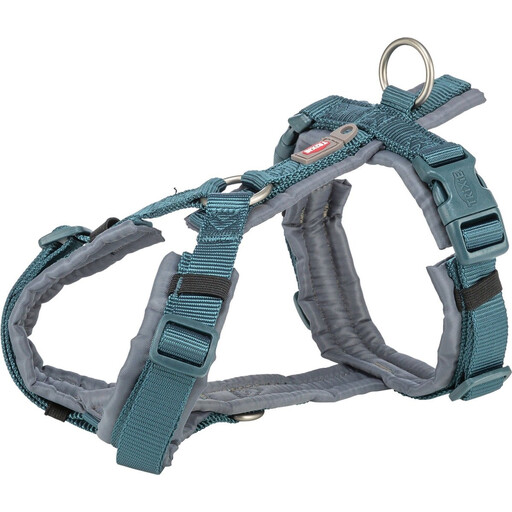
Why it stands out This Premium Trekking harness from Jollypaw by Trixie is designed for enhanced control. It features two leash attachment rings: one on the back for relaxed walks and one on the chest. The chest ring makes this a potential no-pull harness. When the dog pulls, its body is gently turned to the side, interrupting the forward momentum. The lining is water-repellent, which is useful for walks in unpredictable weather.
Pros
Who is it for? For owners of large, strong dogs that tend to pull. This harness offers extra control and can be a useful tool for training your dog to walk calmly on a leash.
Every dog is unique, and the perfect fit is a personal choice. If these recommendations don't quite match what you have in mind, don't worry. Many more models, materials, and colours are available.
Browse all dog harnesses in our collection here and find the option that best suits you and your dog.
For large and strong dogs, a harness is generally recommended. A harness distributes pressure across the chest and shoulders instead of concentrating it on the neck. This reduces the risk of neck injuries, especially for dogs that pull or make sudden movements. A collar remains useful for holding an ID tag with your contact information.
The most important measurement is the chest girth. Using a flexible measuring tape, measure the widest part of your dog's chest, just behind the front legs. Ensure you can fit two fingers between the tape and your dog's coat for a comfortable fit. Compare this measurement with the manufacturer's sizing chart. A well-fitting harness should be snug enough not to shift, but loose enough not to restrict movement.
A no-pull harness with a front chest attachment can be a very effective tool. It works by gently steering the dog to the side and off-balance when they pull, making the act of pulling less rewarding. However, it's not a magic solution. For the best results, combine the use of the harness with positive reinforcement training to teach your dog to walk nicely on a leash.
