Who are these in-ears for?

Singer in a shared room

You want to learn a harmony part from a practice track without turning on a speaker. A good seal can reduce ambient noise, but your roommate will still hear you singing acoustically. The level of isolation depends on the fit; Shure and Etymotic publish model specifications, and the World Health Organization also highlights the importance of listening volume and duration.

Singer who wants to monitor their own voice

You want to hear your microphone signal and the track at the same time while practising. Your audio setup needs to send both signals to your headphones. Focusrite explains how direct monitoring can do this and warns that monitoring through software at the same time can create a delayed, doubled signal.

Singer who struggles to find the right fit

You practise regularly or can’t get a comfortable seal with universal eartips. First, compare the tips available; if none fit properly, you could consider custom-made ones. Etymotic and Sennheiser describe different tip and fit features for their models, while Audinc offers appointments for taking impressions.

What should you look for?

First decide whether you only want to listen to a practice track or also monitor your own microphone signal. Then check the connection, fit and any extra equipment you may need.

What to consider What should you check? Who is this important for?
Seal and playback without a speaker Check that the supplied tips fit comfortably and that the connection works with your playback device. Assess the fit at a low volume. If I want to follow a track in a shared room without speakers, a good seal is my main priority. Around 36% of consumers making this choice put a good seal first.
Hearing your own voice alongside the track Check that your microphone and audio interface offer direct monitoring and that both signals are sent to the headphone output. If I want to hear my own amplified voice alongside the practice track, my equipment needs to combine those signals. Around 29% of consumers put monitoring their own voice first.
Fit for regular practice Compare the available tip sizes and materials. Consider custom-made tips if universal ones don’t fit comfortably, and check the terms in advance. For regular or longer practice sessions, I want in-ears that remain comfortable. Around 21% of consumers put fit first.
Cost and replaceable parts Check what’s included with the exact model and whether cables or tips can be replaced separately. Factor in extra equipment if you want to monitor your voice. If I want to keep the necessary equipment and replacement parts within my budget, the total cost matters. Around 14% of consumers put cost and replaceability first.

Common pitfalls

  • Expecting noise-isolating earphones to make your bedroom silent

    Isolation refers to how much of your surroundings you can hear while wearing them. Your own singing will still be audible in the room.

    Choose in-ears to play the track through earphones rather than a speaker, and agree a practice time and singing volume with your roommate.

  • Buying earphones on their own when you want to hear your microphone signal

    In-ears won’t automatically add your microphone signal to the practice track. You need a suitable signal path to send both sources to your headphones.

    Before you buy, check how your microphone, playback device, audio interface and headphone connection will work together.

    To monitor your own voice, you may also need a microphone and suitable monitoring equipment.

  • Assuming a maximum noise reduction claim means listening is safe

    The seal depends on the tip and how it’s positioned; a stated maximum level of noise reduction isn’t a measurement for every wearer. Volume and listening time matter too. The World Health Organization gives an average of 80 dB for up to 40 hours per week as an example of safe listening, not as a measured level for your in-ears.

    Try tips that fit properly and keep the playback volume low. Don’t treat a manufacturer’s claim as a personal result.

  • Leaving direct and software monitoring switched on at the same time

    You may hear the same vocal twice, with the software signal delayed.

    When using direct monitoring, switch off software monitoring for the same vocal input. Focusrite describes this as a way to prevent a delayed, doubled signal.

Relevant brands

Shure

The Shure SE215 is a universal wired in-ear option to consider when comparing fit, connection and replaceability.

  • Shure lists a detachable 3.5mm cable with an MMCX connection and a choice of sleeves for the SE215.
  • Shure claims noise isolation of up to 37 dB. This is a manufacturer’s specification, not a measured result for every wearer. The earphones alone don’t provide microphone monitoring.

Etymotic

According to Etymotic, the ER2SE is tuned for a flat frequency response. This may be worth considering if you want to listen to a practice track without extra emphasis on the bass.

  • Etymotic lists passive noise isolation of 35–42 dB for the ER2SE.
  • The actual seal depends on the tip and how it’s positioned. The tuning and noise isolation figures are manufacturer specifications, not an independent comparison with other models.

Sennheiser

The IE 100 PRO is a universal monitoring in-ear designed for vocalists and other users.

  • Sennheiser describes it as having a slim housing, a replaceable cable, and silicone and foam tips.
  • Sennheiser’s claims about accuracy and comfort are manufacturer claims. Check the wired connection and model variant, and don’t confuse it with the Wireless version.

Audinc

Audinc offers a custom-fit option if universal tips don’t provide a good enough fit.

  • Audinc says that appointments are required for taking impressions.
  • The provider’s claims about noise isolation and comfort apply to specific product lines. They aren’t an independently verified guarantee for your ears or bedroom.

Joybuy products

These Joybuy products are wired in-ears for playing a practice track. Choose a model with a connection that works with your playback device. To monitor your own voice, you’ll also need a suitable microphone and monitoring setup.
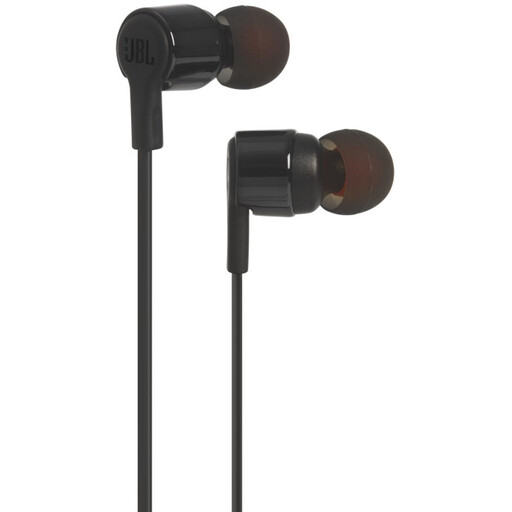
JBL Tune 210 wired in-ear earphones with microphone, 3.5 mm, black

JBL Tune 210 wired in-ear earphones with microphone, 3.5 mm, black

A wired option for playing a practice track through in-ears. Check that your device has a suitable 3.5mm connection.

The product title mentions a built-in microphone, but that doesn’t confirm whether you can monitor your vocals alongside the track.

Joybuy
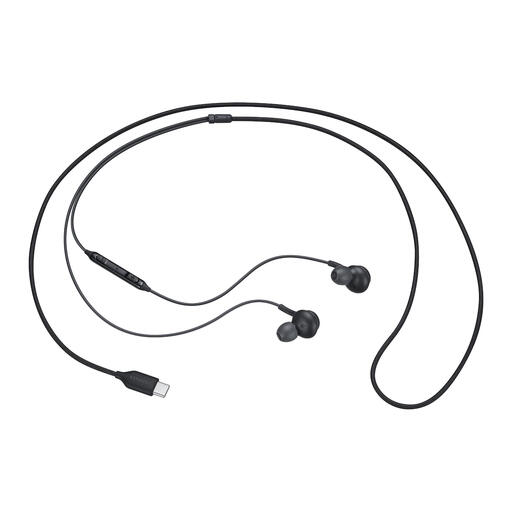
Samsung EO-IC100 wired in-ear headset, USB Type-C, black

Samsung EO-IC100 wired in-ear headset, USB Type-C, black

A wired option for listening to a practice track. Check that your playback device supports audio over USB Type-C.

To hear your own amplified voice at the same time, you’ll need a suitable microphone and monitoring setup as well as the headset.

Joybuy
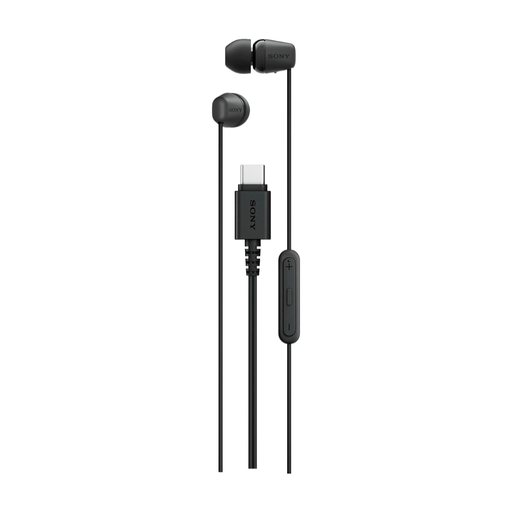
Sony IER-EX15C wired in-ear headset, USB Type-C, black

Sony IER-EX15C wired in-ear headset, USB Type-C, black

A wired option for playing a practice track. Check that your device supports audio over USB Type-C.

A good fit is still important. The product information recommends positioning the earphones snugly; in-ears won’t make your own acoustic singing inaudible to your roommate.

Joybuy

Frequently asked questions

Will my roommate stop hearing me sing if I wear in-ears?

No. In-ears play the track close to your ears, but they don’t muffle the voice you’re singing into the room. Agree a practice time and singing volume with your roommate.

How can I hear my own voice and the practice track without an annoying echo?

Use a connected microphone and an audio interface that supports direct monitoring, so you can hear the input and the track playing back at the same time. If you hear your voice twice, Focusrite recommends switching off software monitoring for that vocal input.

How should I care for my eartips?

Follow the care instructions for the material and model of your tips. Shure recommends keeping sleeves clean and dry, allowing compatible sleeves to dry before reusing them, and replacing worn or ill-fitting sleeves. Not all foam tips can be cleaned in the same way.

What costs and rights should I know about when shopping online in the Netherlands?

Check what’s included with the set and whether monitoring your own voice requires extra equipment. According to the Dutch government, you generally have 14 days to change your mind when buying at a distance, although exceptions may apply, including for custom-made products. You’re also entitled to a product that meets the required standards. If there’s a problem, contact the seller about your statutory guarantee.
