
Vandaag of morgen in huis

Kwaliteit gegarandeerd

Welkomstaanbiedingen ontgrendelen: GRATIS bezorging | Tot 80% korting | Gratis 30 dagen JoyPlus-proefperiode
Download de app
A hard-shell suitcase with a TSA lock might seem like an easy choice on paper. But small differences in size, material and wheel design can make a big difference when you’re travelling by air. A case that’s just too large for the cabin may have to be checked in. An expandable model gives you extra space, but once expanded, it may exceed your airline’s limits.
The following tips will help holidaymakers, leisure travellers and business travellers choose the right hard-shell suitcase, without relying solely on marketing claims.
Your carry-on or cabin suitcase must meet your airline’s size limits. Always check the maximum dimensions, including wheels and handles. A model measuring 55 × 36 × 20 cm may be accepted as hand luggage by one airline but not another.
Also check whether you’re considering an expandable suitcase. The extra zip can increase capacity, but only use it if the expanded dimensions and weight are still within your airline’s limits.
An ABS suitcase is often lightweight and commonly used for affordable hard-shell cases. ABS can be a practical choice for occasional holidays, but the surface may show signs of wear.
A polycarbonate suitcase generally offers a different balance of flexibility, weight and protection. Some models have a textured finish to make small scratches less noticeable. Check that this is actually stated in the product specifications. Claims such as “indestructible” or “100% scratch-proof” aren’t practical guarantees.
A suitcase with 360° spinner wheels should roll smoothly and stay stable when you push it alongside you. Look out for:
A four-wheeled hard-shell suitcase is especially handy at stations and airports, and on paved streets in the Netherlands. You’ll still need to manoeuvre carefully over cobbles and uneven pavements.
Choose a size to suit the length of your trip and the type of luggage you need:
Don’t just look at inches. The external dimensions in centimetres, empty weight and capacity in litres are easier to compare. A large suitcase may have relatively little usable space because of thick walls and internal components.
A TSA lock is designed to let security staff open your luggage during checks without forcing the lock. It doesn’t prevent a suitcase from being opened and isn’t a guarantee against theft. It’s simply a useful security feature for air travel.
The standard code for the models listed is 0-0-0. Reset it before you travel, following the instructions provided, and keep your new combination somewhere safe. Then test the lock on an empty suitcase before packing.
An internal divider, compression straps and a separate compartment for damp items help keep your clothes organised. An expandable suitcase is useful if you expect to bring back extra purchases. However, don’t overpack it or exceed the stated load capacity.
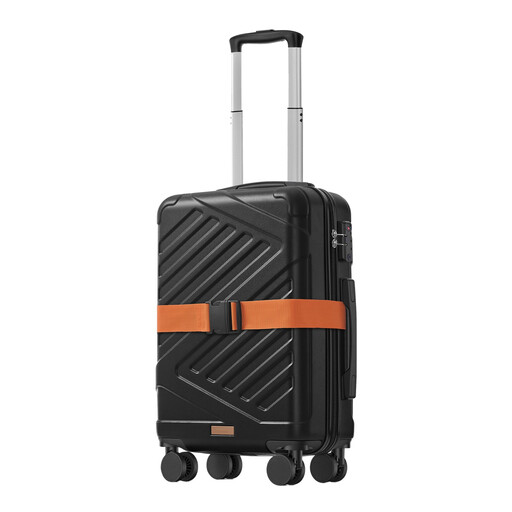
Why it suits this type of traveller: This black ABS model is designed for short trips and offers the essentials: a TSA lock, expandable capacity and four spinner wheels.
The product specifications list external dimensions of 55 × 36 × 20 cm and an empty weight of 2,8 kg. This lets you check in advance whether it’s suitable for cabin use with your airline.
ABS shell, TSA lock, 360° spinner wheels and a stated maximum static load of 8 kg.
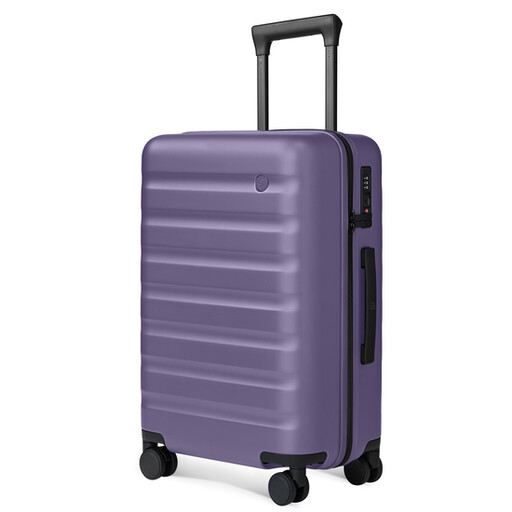
Why it suits this type of traveller: This purple cabin suitcase combines polycarbonate with a textured exterior and an interior layout suited to trips of around 3–5 days.
The description mentions a scratch-resistant, textured PC shell and recessed hardware. These features help reduce exposed parts that could be vulnerable to damage, without promising a scratch-free finish.
PC shell, dual 360° wheels, TSA lock and dimensions of 56 × 38,5 × 23 cm, according to the product information.
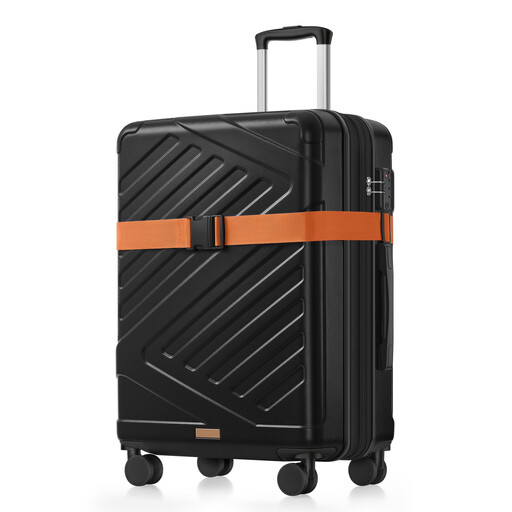
Why it suits this type of traveller: This larger model is designed for checked luggage and longer holidays, when extra capacity matters more than cabin use.
The stated dimensions of 65 × 45 × 25 cm, weight of 4,2 kg and maximum static load of 15 kg make it easy to check your airline’s baggage rules.
ABS shell, expandable capacity, TSA lock, internal divider for wet and dry items, and 360° spinner wheels.
We’ve put together a complete, up-to-date list of products that meet these strict selection criteria and the applicable European safety regulations.
Use this quick checklist:
No. A TSA lock isn’t required, but it can be useful if your luggage needs to be opened during a security check. It doesn’t replace travel insurance or protect against every form of access.
Its lifespan depends on the material, how much you pack, the surfaces you travel over and how often you use it. A lightweight suitcase may last longer if you stay within its maximum load and avoid dragging the wheels over rough, uneven surfaces. Check the zips, handles and wheels regularly.
ABS is often an affordable option for travellers looking for a lightweight suitcase. Polycarbonate may suit you if you’re looking for a different balance of flexibility, weight and protection. The right choice depends on the size, how often you travel, your budget and how you transport your suitcase.
