
Vandaag of morgen in huis

Kwaliteit gegarandeerd

Welkomstaanbiedingen ontgrendelen: GRATIS bezorging | Tot 80% korting | Gratis 30 dagen JoyPlus-proefperiode
Download de app
A hard-shell suitcase with a TSA lock may seem straightforward to choose at first. However, differences in materials, dimensions, wheels and compartments can have a big impact on how it performs. For example, a suitcase that feels light in the shop may offer little packing space. And a model described as rolling “quietly” may behave differently on cobblestones than on a smooth airport floor.
So focus on specifications you can verify. These three common pitfalls are worth watching out for:
An ABS suitcase is generally lightweight and has a hard outer shell for everyday travel. This makes ABS a good option for holidaymakers who prioritise weight. An ABS-PC suitcase combines ABS with polycarbonate and is often described in product information as flexible and resistant to scratches and knocks. Always check the exact composition, though; “hard shell” on its own tells you little about the material mix.
According to its product specifications, a polycarbonate suitcase has a PC hard shell. This material is often chosen for air travel when luggage is checked in. Also check the shell’s texture, the zips, the handles and how the wheels are attached. The shell alone doesn’t determine how long a suitcase will last.
Use the size as a guide to the type of trip:
Examples from the product specifications:
The internal space may differ from the external dimensions by one or two centimetres. Treat the stated capacity as a guide, rather than a guarantee of how many items of clothing will fit.
A TSA lock is particularly useful when travelling somewhere airport security may need to open your suitcase. According to the product specifications for the models mentioned, these are built-in combination locks. Set a new code as soon as your suitcase arrives and keep the combination somewhere safe.
When checking the wheels, look for:
“Quiet wheels” is a product feature mentioned in the description, but the noise level also depends on the surface. They’ll roll differently inside a terminal than they do outdoors on cobblestones.
A good interior usually has packing straps, a zipped divider and a mesh pocket. These help keep your clothes in place and make small items easier to find. An expandable suitcase can provide extra width in the 24- and 28-inch versions, but check its final dimensions before flying.
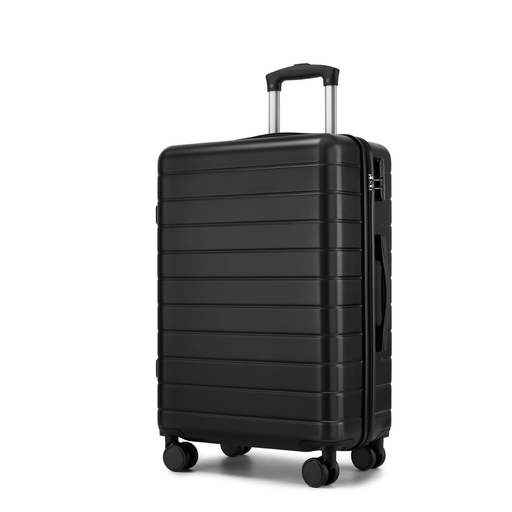
Why it suits this traveller: The 24-inch size is a good fit for travellers looking for one medium-sized suitcase for short holidays, business trips or journeys of around four to six days.
The external dimensions, 3,2 kg weight and 58-litre capacity are clearly stated. This makes it easier to compare capacity with your permitted baggage allowance in advance.
ABS hard shell, built-in three-digit lock, 360° spinner wheels, adjustable handle and an interior with packing straps and mesh divider.
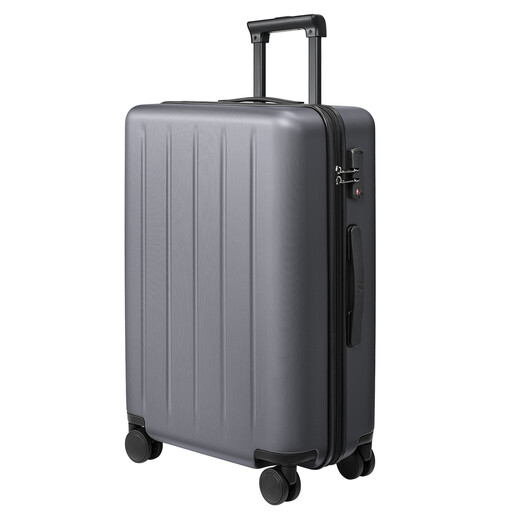
Why it suits this traveller: This polycarbonate suitcase is a good choice for travellers looking for a PC hard shell, a textured surface and a medium size for trips of five to seven days.
The product specifications list the material, dimensions, capacity, weight and care instructions. That means you don’t have to rely on general claims such as “strong” or “lightweight”.
PC hard shell, double spinner wheels, aluminium telescopic handle, TSA lock according to the product description, and an interior with packing straps and mesh pocket.
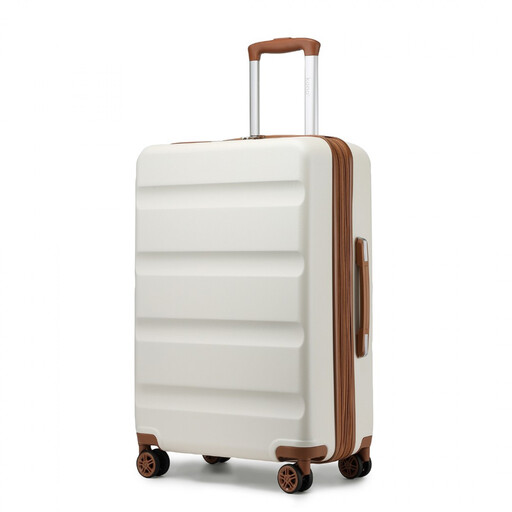
Why it suits this traveller: Its large size and expandable design make it suitable for longer holidays, family trips and situations where you may need extra luggage space.
The expansion uses a zip and adds around 5 cm of width according to the description. Check the dimensions with and without the extension before setting off.
ABS-PC hard shell, around 90,3 litres of capacity, 360° double spinner wheels, a three-digit TSA lock according to the product information, and extra packing space.
We’ve put together a full, up-to-date list of products that meet these strict selection criteria and current European safety regulations.
No, a TSA lock isn’t generally compulsory. It can be useful if airport security needs to inspect your suitcase. According to the product descriptions, the locks mentioned can be opened with an official key without forcing the combination lock. When buying, check that the lock is specifically described as a TSA lock.
For the models mentioned, the default code is usually 000, according to the product information. Open the lock, hold down the reset button or use a pointed object on the reset mechanism, then set your three-digit code. Test the new combination before packing your suitcase.
Its lifespan depends on how it’s used, how heavily it’s packed, the surface it’s used on and how it’s handled in transit. So check more than just the shell: look at the zips, wheels, handle and attachment points too. Avoid overpacking and clean the outside with a soft, damp cloth. This will help limit unnecessary wear without making assumptions about how long the suitcase will last.
