
Vandaag of morgen in huis

Kwaliteit gegarandeerd

Welkomstaanbiedingen ontgrendelen: GRATIS bezorging | Tot 80% korting | Gratis 30 dagen JoyPlus-proefperiode
Download de app
A hard-shell suitcase with a TSA lock may seem like a straightforward purchase at first glance. Yet the wrong dimensions, middling wheels or unclear material details can cause issues at the check-in desk or while you travel. A shiny exterior and plenty of marketing terms say little about day-to-day use.
For holidaymakers, business travellers and frequent flyers, three pitfalls matter most:
An ABS suitcase is often an accessible choice for travellers seeking a hard shell with relatively low weight. ABS can be suitable for occasional holidays, but pay particular attention to the thickness, closure and construction of the model.
A polycarbonate suitcase usually has a flexible hard shell. That can be helpful when the suitcase is subjected to pressure during transport. The product information should clearly state whether it’s 100% PC, a PC mix or a different material. Treat durability claims as statements from the brand. According to NINETYGO’s own product information, the PC shells are scratch-resistant and light; also check the actual dimensions and weight.
The terms 20-inch suitcase, 24-inch suitcase and 28-inch suitcase aren’t identical everywhere. Always look at centimetres, not just the inch size.
For a lightweight travel suitcase, pay attention to the net weight. A lighter shell doesn’t automatically mean the wheels, zip or telescopic handle have the same construction as on a heavier model.
A suitcase with 4 wheels, also called a spinner suitcase, can roll in multiple directions. That’s practical at stations, airports and on hotel floors. Check whether the wheels rotate a full 360 degrees and whether the handle locks firmly.
The interior deserves attention too. A wet/dry divider, zip pocket or cross straps help keep clothing and accessories organised. With an expandable suitcase, also check whether the extra zip significantly increases the external size.
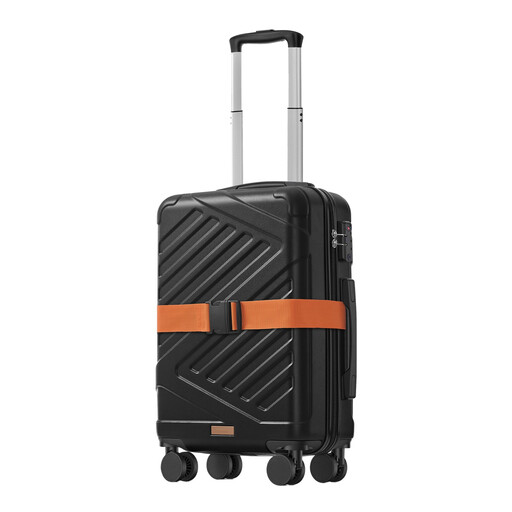
Why it suits this profile: This black suitcase is designed for mid-length trips and uses an ABS shell with a TSA lock, spinner wheels and a practical interior layout.
The stated size is 55 x 36 x 20 cm and the net weight 2,8 kg. Before you buy, check whether these measurements match your chosen baggage policy.
TSA lock, 360° spinner wheels, expandable capacity and a wet/dry divider according to the product description.
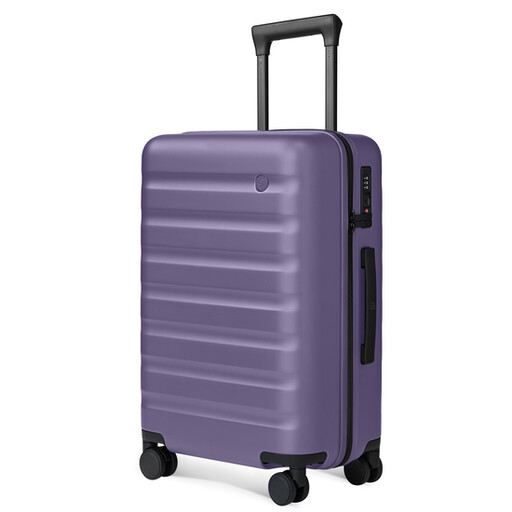
Why it suits this profile: Business travellers and frequent flyers get a compact cabin case with a PC shell, double spinner wheels and a layout for clothing and liquids.
The product information lists specific dimensions of 56 x 38,5 x 23 cm. That makes comparison easier than relying solely on the term ‘airline certified’.
PC hard shell, dual 360° wheels, TSA lock, compression straps and a water-repellent PVC zip pocket according to the product information.
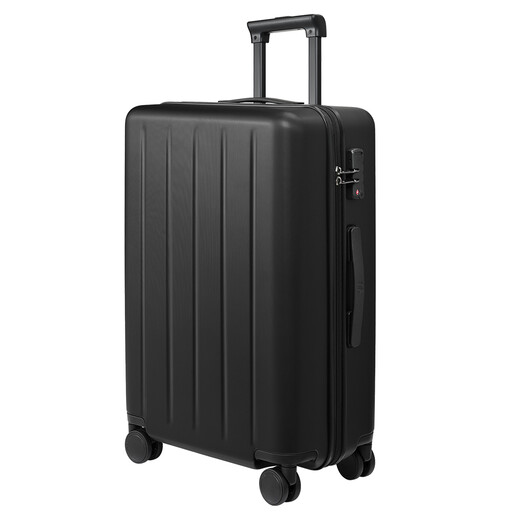
Why it suits this profile: This suitcase for hold luggage is aimed at travellers who want space for a trip of several days and value a sturdy interior.
According to the product information, the PC shell has a textured finish. The double spinner wheels and aluminium telescopic handle are separate specifications to verify.
Dimensions of 66 x 45,5 x 25,5 cm, PC hard shell, TSA lock, cross straps and a separate zip pocket for small items.
We’ve compiled a complete, up-to-date list of products that fully meet these strict selection criteria and comply with current European safety regulations.
Use this short checklist:
No, a TSA lock is generally not compulsory. It can, however, be practical when authorised security services need to inspect luggage. A TSA lock is no guarantee against theft and doesn’t replace travel insurance or a proper luggage tag.
The lifespan depends on the material, use, loading, transport and maintenance. Avoid overpacking, don’t keep dragging a suitcase over uneven ground and check zips and wheels regularly. According to JOYFURNOS and NINETYGO’s own product information, certain models are tested for use or zip load; such brand claims aren’t a universal guarantee for every travel circumstance.
An expandable suitcase can provide extra space for the return journey. Use the expansion only when the total external size and weight remain within your airline’s limits. Overfilling can strain the zip and seams and may lead to extra baggage charges.
