
Vandaag of morgen in huis

Kwaliteit gegarandeerd

Welkomstaanbiedingen ontgrendelen: GRATIS bezorging | Tot 80% korting | Gratis 30 dagen JoyPlus-proefperiode
Download de app
Planning a short trip of 3 to 5 days? A reliable hard-shell carry-on suitcase is essential. Finding a model that meets airline requirements, keeps your belongings safe, and travels smoothly with you can be a challenge. Many travelers worry about the correct dimensions, weight, and durability.
As a Joybuy Product Recommendation Officer, my job is to help you make an informed decision. This guide has been compiled to provide you with practical information based on product specifications, ensuring you find a carry-on suitcase that truly suits your needs.
Before we look at the recommendations, here are a few key points to consider. These will help you better understand the specifications of each cabin suitcase.
Hard-shell suitcases are typically made from ABS or polycarbonate (PC). While both materials are sturdy, 100% polycarbonate is often preferred. It is a more flexible material, making it more resistant to impacts without cracking. Furthermore, it is generally lighter than ABS, which helps in finding a lightweight suitcase and staying under the airline's weight limit. A suitcase with a textured surface is also less prone to scratches.
A 4-wheel suitcase, also known as a spinner, offers 360° mobility. This makes navigating through crowded airports and narrow aisles significantly easier. You can roll the suitcase alongside you without having to tilt and pull it. Look for specifications like "dual spinner wheels" and "silent wheels," which indicate a smoother and quieter rolling experience on various surfaces.
A carry-on suitcase with a TSA lock is a wise choice, especially if you are traveling to the United States. The Transportation Security Administration (TSA) may inspect your luggage. With a TSA lock, they can open the suitcase with a master key without forcing the lock. This prevents damage to your suitcase and keeps your possessions secure. A built-in lock is often more convenient than a separate padlock, as it cannot get snagged.
Based on the criteria above and the specifications of popular models, we have put together a few recommendations for you.
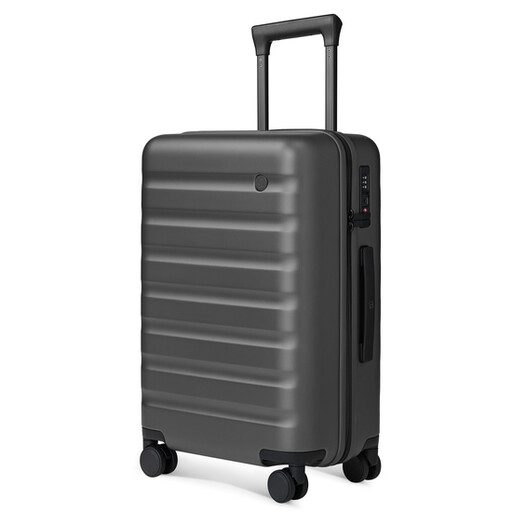
Why It Stands Out: The top of this suitcase is completely flat thanks to the recessed handle. This creates a convenient tabletop for your laptop or coffee while you wait for your flight.
Advantages:
Who Is It For? This NINETYGO suitcase is ideal for the business traveler or digital nomad who often needs a stable surface for a laptop or documents while on the go.
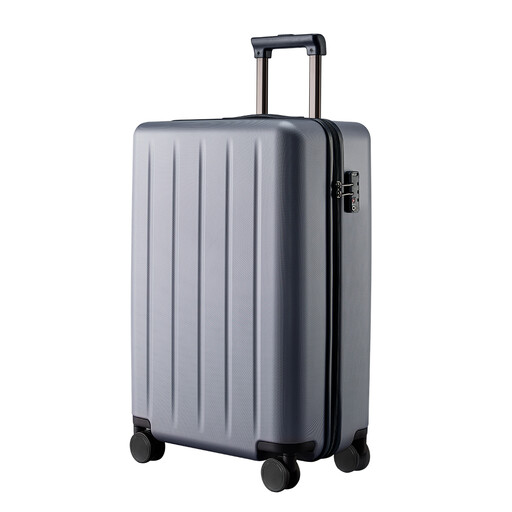
Why It Stands Out: This model focuses on a balance between durability, weight, and ease of use, with an ergonomic handle designed to reduce travel fatigue.
Advantages:
Who Is It For? The Danube is an excellent all-rounder for the frequent traveler looking for a reliable, no-nonsense carry-on trolley for short trips.
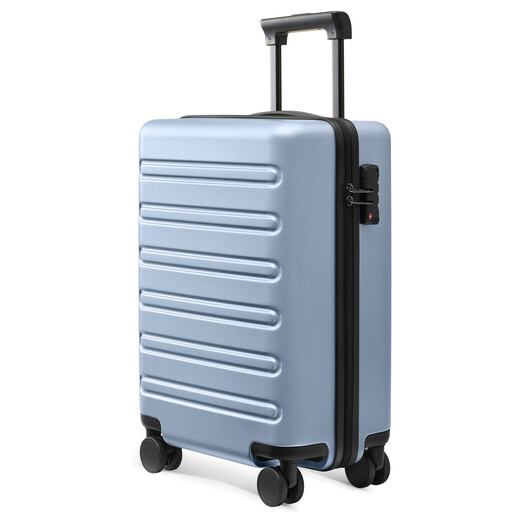
Why It Stands Out: According to the manufacturer, Shanghai Runmi Technology Co., Ltd., this model has passed various durability tests, including tests for the handle, wheels, and zipper.
Advantages:
Who Is It For? This suitcase is a great option for travelers who place extra value on claimed durability and are looking for a robust construction for heavy use.
The models above are popular choices, but perhaps you're looking for something slightly different. A different color, a specific size, or a different layout? Every traveler has unique needs.
For more options, you can browse our full range of cabin luggage. There you will find a wider selection of suitcases that meet various needs and budgets.
The permitted dimensions for carry-on luggage vary by airline. A common size is 55 x 35 x 25 cm, but this is not a universal rule. Always check the specific requirements of the airline you are flying with before you buy or pack a suitcase.
Both have their advantages. A hard-shell carry-on suitcase offers superior protection for fragile items and is more water-resistant. A soft-shell suitcase is often more flexible, sometimes allowing you to pack a little more, and usually has exterior pockets for items you need to access quickly. The choice depends on what you are carrying and your personal preference.
Most TSA locks work in a similar way. Open the lock with the default code (usually 0-0-0). Find a small, recessed button, often next to the dials. Press this button with a pen until you hear a click. Set your new personal code. Then, slide the release lever; the set button will pop back out, and your new code will be set.
