
Vandaag of morgen in huis

Kwaliteit gegarandeerd

Welkomstaanbiedingen ontgrendelen: GRATIS bezorging | Tot 80% korting | Gratis 30 dagen JoyPlus-proefperiode
Download de app
A hard-shell cabin suitcase protects your belongings better from knocks than a soft bag, but not every model is automatically suitable for air travel. Dimensions, material, wheels and locking mechanism determine whether your suitcase remains practical during a city break or a trip lasting 3 to 5 days.
Many buyers focus mainly on appearance or capacity in litres. This can lead to a disappointing purchase. Below, we cover the most important pitfalls and checks, followed by three models for different travel profiles.
Airlines do not all use the same maximum cabin-baggage dimensions. For example, a 20-inch suitcase may be approximately 55 to 57 cm high, while the permitted height varies between airlines. Always check the suitcase dimensions as well as your airline’s baggage rules.
Do not focus only on labels such as “cabin”, “carry-on” or “airline approved”. The information you can verify is the external dimensions, including the wheels and handles.
Four 360-degree spinner wheels move smoothly across the polished floors of an airport or hotel. On cobblestones, tram tracks and uneven pavements, however, they are put under more strain. Check whether the product description mentions double wheels, sturdy wheel attachments and a maximum load capacity.
A trolley suitcase with smoothly rotating wheels is particularly convenient when you often need to change trains or walk longer distances through stations and city centres.
A hard-shell suitcase offers protection, but the material makes a difference. ABS is often a practical choice if you are conscious of weight and price. Polycarbonate, also referred to as PC, is often combined in product descriptions with a lightweight, impact-resistant construction. Actual durability also depends on the thickness, edges, zip, and finish.
Also consider the capacity. A 38-litre suitcase sounds spacious, but much of that capacity can be taken up by thick lining, fixed handles or an impractical layout.
For a short trip, a 20-inch suitcase is often a useful starting point. Models measuring around 55 to 57 cm in height generally provide room for clothing, toiletries and electronics for a few days. However, capacity in litres is only one part of the comparison.
Check:
A lightweight suitcase gives you more room within the airline’s weight limit. An expandable hard-shell suitcase can provide additional space, but after expansion it may no longer comply with cabin-baggage limits.
An ABS suitcase is generally aimed at those looking for a lower weight and an affordable price. ABS can be suitable for occasional holidays, provided you do not overfill the suitcase and handle the zips and corners with care.
A polycarbonate suitcase is often chosen by travellers looking for a sturdier shell and a longer service life. Information about scratch resistance or durability should be viewed as a product specification or brand claim, not as a guarantee for every travel situation. According to NINETYGO’s product information, the models below feature a PC hard shell with a textured surface.
A suitcase with a TSA lock can be opened by authorised security services without unnecessarily damaging the case. The lock does not prevent authorised inspections, but it is practical when travelling to destinations where TSA checks take place.
When buying, check how to set the combination. The standard code for the models mentioned is 0-0-0. Reset it as soon as you receive the suitcase and keep the code in a safe place.
Separate zipped compartments, compression straps and a divider between wet and dry items help keep your luggage organised. They do not increase the suitcase’s capacity, but they can make packing for a short trip easier.
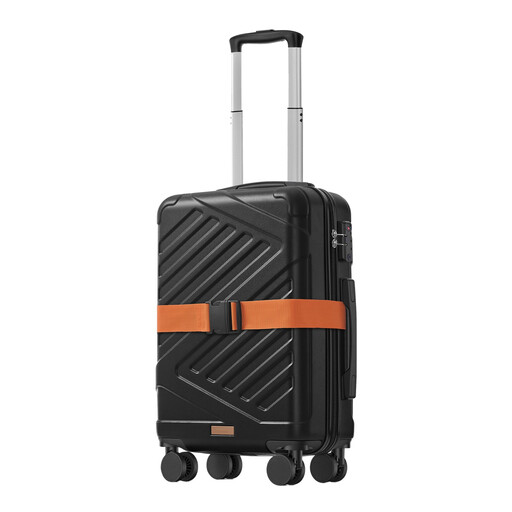
Why it suits this profile: This ABS model has a net weight of 2.8 kg and, according to the stated dimensions, measures 55 x 36 x 20 cm. This makes it worth considering if you are looking for a practical hard-shell suitcase, but check before departure whether your airline permits these dimensions as cabin baggage.
The stated dimensions and weight make a direct comparison possible. However, the expandable construction requires an extra check: after expansion, the suitcase may exceed the permitted cabin-baggage dimensions.
ABS shell, built-in TSA lock, 360-degree spinner wheels and an included luggage strap. The product information also states a maximum static load capacity of 8 kg.
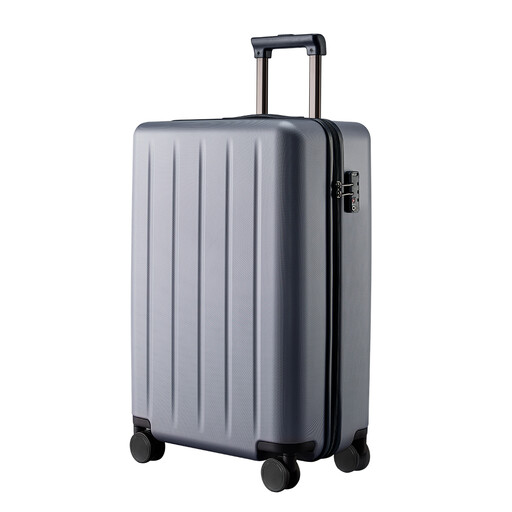
Why it suits this profile: This cabin suitcase is designed for travellers who want to combine a PC hard shell, a capacity of 38 litres and a size suitable for trips lasting 3 to 5 days. The stated dimensions are 56.5 x 37.5 x 23 cm and the weight is 3 kg.
The product description mentions double spinner wheels, a sturdy telescopic handle and a hard PC shell. Still, check the cabin-baggage rules, as a depth of 23 cm may exceed the limit for some airlines.
100% PC hard shell according to the product information, 38-litre capacity, a TSA lock, double spinner wheels and an internal zipped pocket with an X-shaped clothing strap.
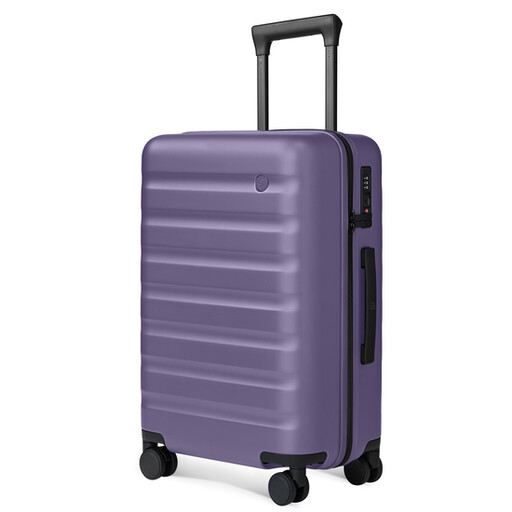
Why it suits this profile: This model is designed for frequent use and organised luggage. The PC shell, double spinner wheels, compression straps and separate PVC zipped pocket are practical for travellers who want to keep clothing and damp items separate.
According to the product description, the handles and TSA lock are recessed, making them less likely to catch on anything. The stated zip specifications come from the product information and do not guarantee performance in every situation.
PC hard shell, 360-degree silent wheels according to the product description, a TSA lock and a water-repellent PVC zipped compartment. The stated dimensions are 56 x 38.5 x 23 cm.
We have put together a complete, up-to-date list of products that fully meet these strict selection criteria and the applicable European safety regulations.
Use the suitcase’s capacity efficiently without putting unnecessary pressure on the shell or zip. Heavy items should go at the bottom, close to the wheels. Roll your clothes or use packing cubes. Keep liquids within the airport’s current security regulations and pack electronics so that you can remove them easily.
Take the maximum load of the handle and wheels seriously. The product information for these models warns against overloading. A hard-shell suitcase may feel sturdy, but the most vulnerable parts are often the wheels, zip and telescopic bar.
Yes, a 20-inch suitcase with a capacity of approximately 35 to 40 litres can be suitable for 3 to 5 days, depending on your clothing and travel style. Above all, check the airline’s permitted external dimensions and weight.
ABS is often appealing if you are looking for a lightweight, affordable model. Polycarbonate may be worth considering if you pay more attention to the shell construction and travel regularly. Always compare the empty weight, warranty terms, zip and wheel construction rather than judging the suitcase on its material alone.
Clean the shell with a soft, damp cloth and avoid abrasive cleaning products. Check the wheels, zip and handle after every trip. Store the suitcase in a dry place and do not leave the TSA lock combination set to the standard code.
