
Vandaag of morgen in huis

Kwaliteit gegarandeerd

Welkomstaanbiedingen ontgrendelen: GRATIS bezorging | Tot 80% korting | Gratis 30 dagen JoyPlus-proefperiode
Download de app
As a busy mother, your time is precious. Juggling breastfeeding with work, social commitments, and household duties calls for smart solutions. A hands-free pump seems like the perfect answer: the freedom to pump while you get on with your day. But the market is flooded with models promising the world. Unfortunately, many choices lead to frustration and wasted money.
As a Joybuy Product Recommendation Officer, I'm here to help you cut through the marketing jargon. We'll look at the pitfalls to avoid and the specifications that truly matter, so you can choose a pump that actually makes your life easier.
Before you make a purchase, it's important to recognise the most common problems. Many mothers encounter these issues:
To sidestep the pitfalls above, focus on three concrete specifications. These will determine if a hands-free electric pump will really work for you.
Not every hands-free pump is the same. There are two main types:
The choice depends on your priority: ultimate discretion without tubes, or minimal weight on the breast with maximum power.
The size of the breast shield is crucial. A shield that is too small or too large can lead to pain, nipple damage, and lower milk output. Look for models that include multiple breast shield sizes or inserts. This gives you the ability to find the perfect fit without having to buy extra accessories. A good fit ensures the pump is comfortable and that milk flows optimally.
If you plan to pump at the office or around others, a quiet breast pump is indispensable. Check the specifications for the noise level, often expressed in decibels (dB). A model below 45 dB is generally considered very quiet, comparable to the sound in a library. Also, check the battery life. How many pumping sessions can you get from a full charge? A good battery that lasts at least a workday (about 1.5 to 2.5 hours of pumping time) prevents you from constantly searching for a power outlet.
Based on these criteria, we have highlighted several popular choices that suit different needs and lifestyles.
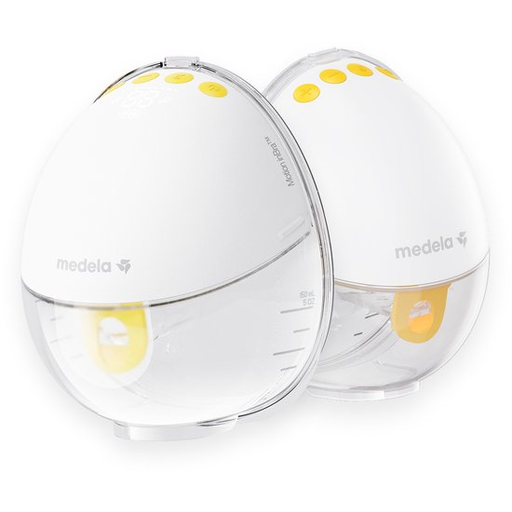
Why This Fits Their Persona: Ideal for the working mother who prioritises efficiency. As a double hands-free pump, this model saves precious time. Its anatomical design is engineered for maximum milk flow, perfect for daily and intensive use.
Tackles the 'one-size-fits-none' pitfall by including four different insert sizes (15, 18, 21, and 24 mm). This ensures a personalised and comfortable fit for over 95% of users.
Efficient double pumping with 2-Phase Expression technology, which Medela claims stimulates milk production. The battery supports up to 10 pumping sessions per charge.
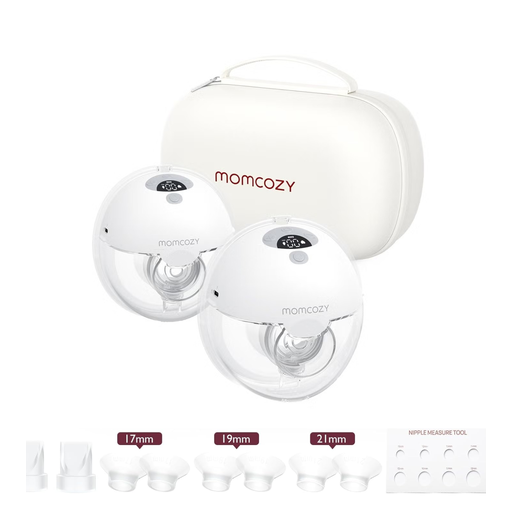
Why This Fits Their Persona: For the mother seeking maximum discretion and freedom of movement. This is a true wearable breast pump with no external motor or tubes. Perfect for pumping while grocery shopping, doing household chores, or in a shared office space.
Avoids the pitfall of a loud and conspicuous design. The motor is fully integrated, and its micro-vibration technology is designed for quieter operation. It is one of the more discreet options on the market.
Completely wireless and tube-free design. Comes with four flange sizes (17, 19, 21, 24 mm) for a good fit and features 3 modes and 9 suction levels for personalisation.
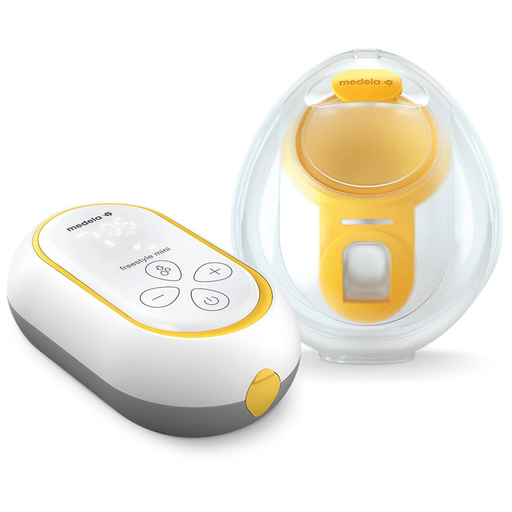
Why This Fits Their Persona: An excellent choice for mothers looking for a flexible, single pump for occasional use, such as for a day out or to build a supply. Also ideal for pumping on one breast while the baby feeds on the other.
Avoids the 'heavy and bulky' pitfall. The collection cup weighs only 76 grams, and the motor is separate and ultra-compact. This prevents a heavy feeling in the bra and makes the system easy to carry.
Extremely lightweight and simple to operate. The pump consists of just 3 parts, making cleaning and assembly quick and easy.
We have compiled a complete, up-to-date list of products that fully meet these strict selection criteria and safety standards.
The right size is essential. Your nipple should move freely in the breast shield's tunnel without rubbing against the sides. Also, not too much of the areola (the darker skin around the nipple) should be pulled in. Many manufacturers, like Medela, offer an online sizing guide. A lactation consultant can also help you determine the correct size. When in doubt, choose a model that includes multiple sizes.
Hygiene is paramount. Always follow the manufacturer's instructions. Generally:
Yes, you certainly can. Most hands-free pumps are designed to fit inside a standard nursing bra. However, it's important to wear a firm and supportive nursing bra that holds the collection cups securely in place. With a larger cup size, pay extra attention to the shape of the pump. Anatomically shaped cups, like those on the Medela Motion InBra, can be more comfortable as they follow the natural shape of the breast and prevent pressure points.
