
Vandaag of morgen in huis

Kwaliteit gegarandeerd

Welkomstaanbiedingen ontgrendelen: GRATIS bezorging | Tot 80% korting | Gratis 30 dagen JoyPlus-proefperiode
Download de app
A hands-free breast pump can be useful at work, at home or while you’re out and about. You don’t need a separate pumping bra or a table, and you can keep your hands free for your laptop, household chores or your baby. However, not every wearable breast pump is equally suited to everyday use. A compact design, for example, says little about fit, cleaning or battery life.
When comparing a Momcozy breast pump with a Medela breast pump, focus on the parts you’ll use every time. These are some common pitfalls to look out for.
A 24 mm breast shield won’t automatically fit you properly. The right size depends on the diameter of your nipple and how the shield fits while you pump. The wrong size can feel uncomfortable or make the suction less consistent.
Check whether a model comes with inserts. The Momcozy M5, for example, comes with 17, 19, 21 and 24 mm sizes. Some Medela models also include inserts, including the Motion InBra, which comes with 15, 18, 21 and 24 mm sizes.
A quiet breast pump is useful in the office or a shared space, but check whether the product information gives a measured noise level. The Medela Solo is listed as producing less than 45 dB during use. Other models are simply described as quiet or discreet. That doesn’t make them directly comparable.
Bear in mind, too, that noise can also come from clothing, positioning the motor and the milk container filling up.
A cordless breast pump runs on a rechargeable battery, but all parts that come into contact with milk need to be cleaned after use. Check whether the pump comes apart and whether the motor needs to be kept away from water.
For most models in this selection, the parts that come into contact with milk can be washed or sterilised according to the instructions. The motor unit must not be submerged. For the Momcozy M9, the instructions also state that parts should not go in the dishwasher, microwave or UV steriliser. Always read the specific care instructions.
Don’t just look at the standard size: check the full range of sizes available. An adjustable breast shield or included inserts can improve your chances of getting a good fit. Also check whether the shield is flexible and whether the milk container sits securely in a supportive nursing bra.
A hands-free breast pump is often worn directly inside your bra. So, check:
An electric breast pump with multiple settings gives you more flexibility to adjust the intensity to suit your preferences. The Momcozy M5 and S12 Pro have three modes and nine suction settings. According to the product information, the Momcozy M9 has several modes and up to 15 adjustable suction settings.
More settings don’t automatically make a pump more comfortable. The key is being able to start at a low setting and adjust it easily. If you’re choosing a breast pump with an app, check whether you can still control it manually on the device itself.
Compare the battery life with how you plan to use the pump. The Medela Solo is listed as providing up to around 1.5 hours of use, or approximately six sessions. The Medela Freestyle Mini is listed as providing up to two hours or a maximum of eight sessions, depending on the version and conditions of use. The Momcozy S12 Pro and M6 are listed as providing up to 180 minutes of use on a single charge.
These figures are indicative. The suction setting, charge level and length of each session will affect the actual battery life. Also check whether a double breast pump comes with one or two charging cables.
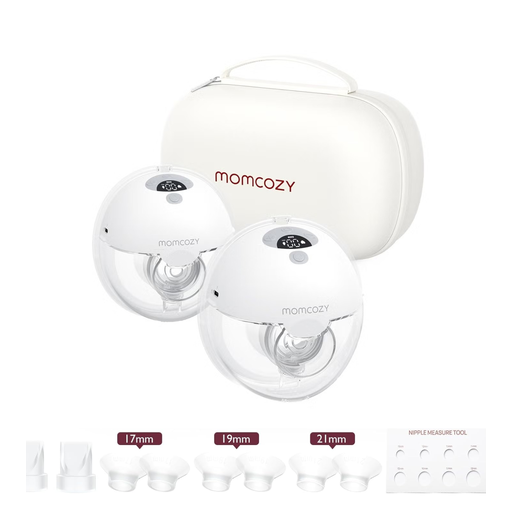
Why it suits this profile: This wearable breast pump is a good choice if you want to get started without complicated controls. It comes with two pumps and several inserts.
The four flange sizes reduce the chance of having to rely on a single fixed size. Check the fit before using the pump regularly.
Two units, three modes, nine suction settings and a built-in rechargeable battery with USB-C charging.
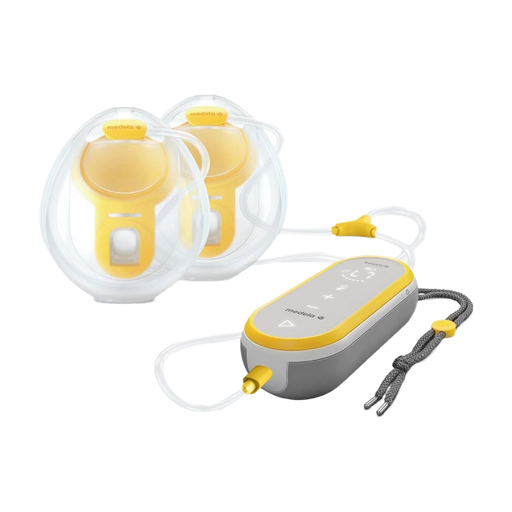
Why it suits this profile: This double breast pump is a good fit if you want to pump from both breasts at once and value app connectivity, an anatomical shape and fewer parts to clean.
The product information lists three parts per collection cup and support through the Medela Family app. This helps make your daily routine more straightforward.
Double pump, nine vacuum settings, rechargeable battery and connectivity with the Medela Family app.
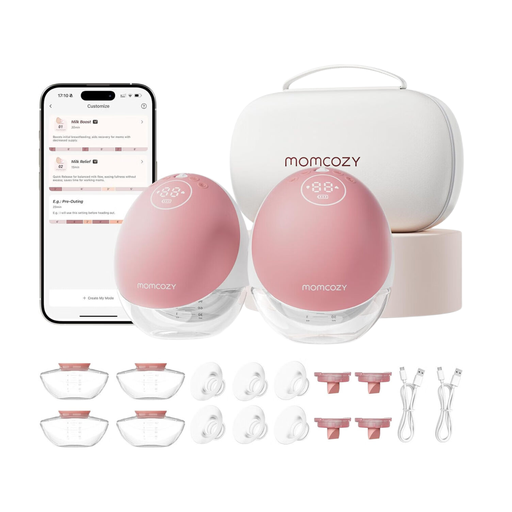
Why it suits this profile: The M9 is designed for people who value app controls, multiple settings and a storage case for frequent use.
The set includes several inserts and double seals. The care instructions make it clear that the motor must not be cleaned in water or in an appliance.
App controls, up to 15 suction settings according to the product information, two units and a storage case.
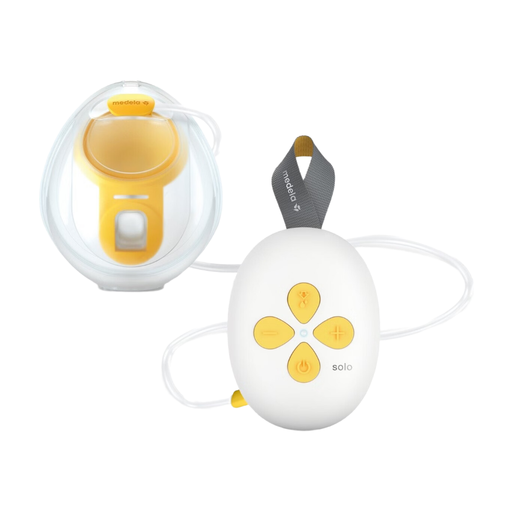
Why it suits this profile: A single breast pump is practical if you pump occasionally, want to carry less with you or prefer to pump from one side at a time.
The transparent collection cup helps with positioning, and the product information lists just three parts per cup to clean.
Single pump, 76-gram collection cup, nine vacuum settings and a battery that provides around six sessions according to the product specification.
We’ve put together a complete, up-to-date list of products that meet these strict selection criteria and the applicable European safety regulations.
After each session, take apart all the parts that have come into contact with milk. Rinse and wash them with warm water and washing-up liquid, following the instructions. Let everything dry completely before reassembling the pump. The motor, cable and charging port must be kept out of water.
The usage time per charge varies by model. In this selection, specifications range from around 1.5 to 3 hours. Battery lifespan depends on how often it’s charged, how it’s stored and how it’s used. Also check the membranes, valves and silicone parts regularly for signs of wear.
A double breast pump can pump from both breasts at once, which can be useful if you have several pumping sessions a day. A single breast pump is often lighter and easier to carry. So choose based on your routine, not just the number of units. If you experience pain or ongoing discomfort, or have questions about pumping, it’s best to contact a midwife, lactation consultant or doctor.
