
Vandaag of morgen in huis

Kwaliteit gegarandeerd

Welkomstaanbiedingen ontgrendelen: GRATIS bezorging | Tot 80% korting | Gratis 30 dagen JoyPlus-proefperiode
Download de app
A hands-free breast pump can be useful at work, at home or when you’re out and about. You don’t need a fixed spot, and you can keep your hands free for your laptop, household tasks or your baby. However, not every wearable breast pump is equally suited to everyday use. The wrong fit, limited battery life or parts that are difficult to clean can make a purchase less practical than you expected.
When comparing models, don’t focus only on terms such as “wearable”, “quiet” or “powerful”. Check the specifications, the sizes included and how you plan to use the pump.
Many models come with a 24 mm breast shield. That doesn’t automatically mean it’s the right size for you. The wrong size can result in a poor fit, leaks or discomfort while pumping. So check which sizes are included and whether separate inserts are available.
A model with several sizes, such as 17, 19, 21 and 24 mm, gives you more options to find the right fit. Measure your nipple according to the manufacturer’s instructions, and check the size again if the fit doesn’t feel right.
Some models have a motor worn inside your bra. Others use a separate motor connected to the collection cups by a tube. Both systems can be used hands-free, but they feel different.
A wireless breast pump with an integrated motor gives you more freedom to move, but may feel heavier against your breast. With a separate motor, the cups are often lighter, but you’ll need to manage the tubing and cables. So check the weight of the cups, not just the total weight of the packaging.
All parts that come into contact with breast milk should be cleaned after every use, in line with the instructions for use. Check how many parts you need to take apart, whether they’re dishwasher-safe and which parts must be kept dry.
Some models have just three parts in the milk-contact set, which can make everyday cleaning easier. The motor unit, charging port and cable should generally not be immersed in water. Always follow the instructions for the specific brand.
A breast pump with different suction settings lets you adjust the intensity to suit your preference. Pay attention to the difference between modes and levels:
Brands may make claims about performance or comfort based on their own research. For example, Medela refers to its own 2-Phase Expression technology for certain models. Treat this as the manufacturer’s description, rather than a guaranteed result for every user.
The battery is important for a breast pump for on-the-go use. Check how much usage time or how many sessions the manufacturer quotes, and how the device is charged. USB-C is handy if you already use a suitable adapter or power bank, but always check the required input, such as 5 V/2 A.
According to the product information, the Medela Freestyle Mini Double offers up to two hours of use or around eight sessions per charge. The Medela Solo offers up to around an hour and a half or six sessions. Actual usage time can vary depending on the setting selected, the age of the battery and the conditions of use.
Look for:
A breast pump is a personal-use product. Don’t share it with others, and don’t use it if cables, valves or parts are damaged. Stop if you experience pain or unusual discomfort, and seek advice from a healthcare professional if necessary.
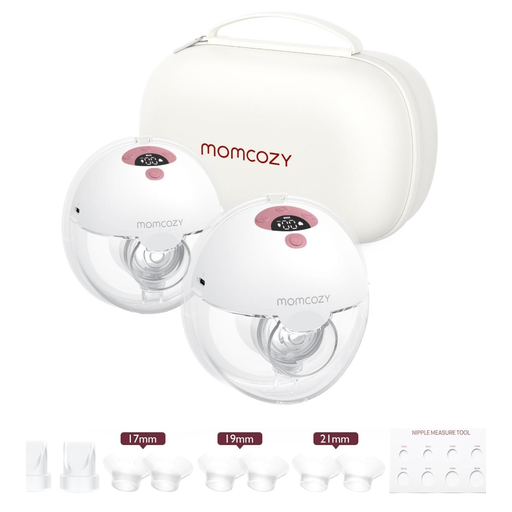
Why it suits this profile: The M5 is a wearable breast pump with three modes, nine suction settings and four listed sizes: 17, 19, 21 and 24 mm. The 2-pack is suitable if you want to pump from both breasts at once.
The included sizes help you avoid the one-size-fits-all pitfall. Be sure to check which insert fits you and follow the cleaning instructions.
Three modes, nine suction settings, USB-C charging and BPA-free silicone construction, according to the product information.
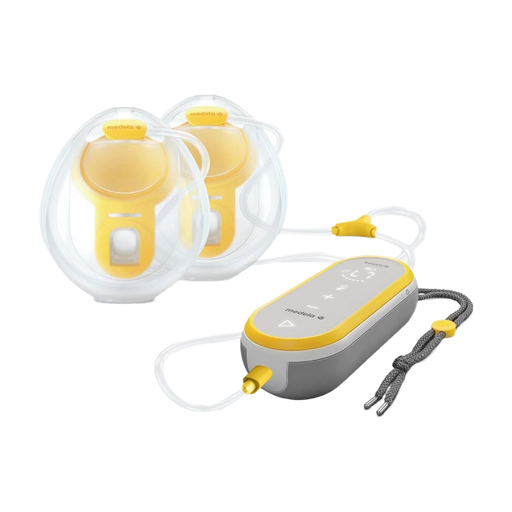
Why it suits this profile: This double breast pump is designed for those who want to pump from both breasts at once and value control via the Medela Family app.
The product information lists three parts per cup and dishwasher-safe milk-contact parts, which can make cleaning more straightforward.
Double electric pumping, transparent cups, three parts per cup and connection to the Medela Family app, according to the product description.
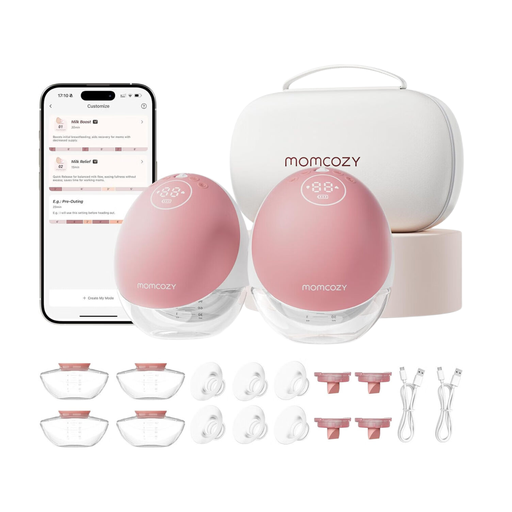
Why it suits this profile: The M9 is designed for those who want to combine app control, double pumping and plenty of adjustment options with use at work or on the go.
Four insert sizes and up to fifteen suction settings are listed. This lets you fine-tune the fit and settings more precisely than with a single fixed size.
Two motors, app control, USB-C, 150 ml collection cups and a storage case, according to the product information.
A single hands-free breast pump may be a good choice if you pump occasionally, want to use one side at a time or want to keep your investment modest. According to the product information, the Medela Solo has a 76-gram collection cup, nine vacuum settings and Bluetooth connectivity with the Medela Family app.
A double breast pump makes more sense if you pump frequently and want to use both sides at once. Bear in mind that there are more parts to handle and clean after use. Also compare the capacity of the collection cups and the spare parts available.
We’ve put together a complete, up-to-date list of products that meet these strict selection criteria and the applicable European safety regulations.
After every session, take apart all the parts that have come into contact with milk. Wash them according to the instructions with warm water and washing-up liquid, or use the dishwasher if this is expressly permitted. Let everything dry completely before reassembling. Keep the motor, charging port and cable away from water.
The lifespan depends on how often you use it, how well you maintain it and whether you replace valves, membranes and silicone parts in good time. Check these parts regularly for cracks, discolouration or a loss of seal. Battery capacity may decrease over time. Check with the manufacturer for replacement intervals.
In addition to the purchase price, you may need to budget for spare valves, membranes, inserts and possibly extra collection cups. If you use the pump frequently, it’s worth checking in advance whether parts are available separately. A model with a higher upfront cost may prove practical if spare parts and cleaning are well supported, but compare this based on your own needs.
