
Vandaag of morgen in huis

Kwaliteit gegarandeerd

Welkomstaanbiedingen ontgrendelen: GRATIS bezorging | Tot 80% korting | Gratis 30 dagen JoyPlus-proefperiode
Download de app
As a mother, you need flexibility. A hands-free breast pump promises just that: the freedom to work, care for your family, or simply enjoy a cup of coffee. But the market is flooded with models that over-promise and under-deliver. Many mothers invest in an expensive pump only to have it end up collecting dust in a closet after a few weeks.
Before you make a choice, it's crucial to understand the common pitfalls. This will help you avoid buyer's remorse and choose a model that truly fits your life.
To find the right wearable breast pump, it's smart to look beyond the marketing and focus on a few core specifications. These determine whether a pump is comfortable, efficient, and practical for daily use.
The fit of the breast shield (the flange) is the most important factor for comfort and good milk yield. A flange that is too small or too large can cause pain, chafing, and a reduced milk flow.
The choice between a single or a double electric breast pump depends on your lifestyle. Double pumping is more efficient and can better stimulate milk production, which is ideal for working mothers. A single pump can be useful if you primarily nurse directly and only want to pump occasionally.
Also, pay attention to the motor type:
Discreet Pumping isn't just about how the pump looks, but also how it sounds and how easy it is to use.
Based on these objective criteria, we have selected a few popular models that suit different needs and routines.
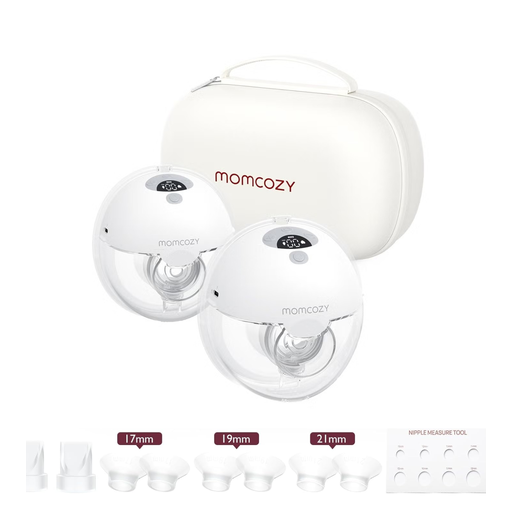
Why This Fits Their Persona: This double pump is designed for mothers who need efficiency. The combination of different modes and a completely wireless design makes it possible to pump while working, doing chores, or playing with an older child.
Tackles the poor-fit pitfall by including four different flange sizes (17-24 mm). The "Baby Mouth" suction technology, as Momcozy calls it, is designed to maintain effective suction.
3 pumping modes: Stimulation, expression, and a mixed mode with 9 suction levels. Completely wireless: No tubes or external motor.
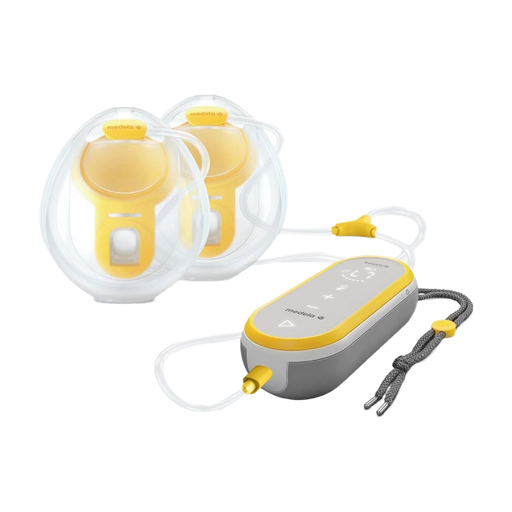
Why This Fits Their Persona: For mothers who pump for longer periods and consider comfort paramount. The external motor keeps the cups ultra-light, which reduces pressure on the breast and provides a more natural experience.
Addresses the cleaning pitfall with a design consisting of just 3 parts per cup. According to Medela, the anatomical design of the cups is made to prevent leaks and maximize milk flow.
Extremely lightweight: The collection cups weigh only 76 grams each. Easy to clean: The cups are dishwasher-safe and have few parts. Can be connected to the Medela Family app.
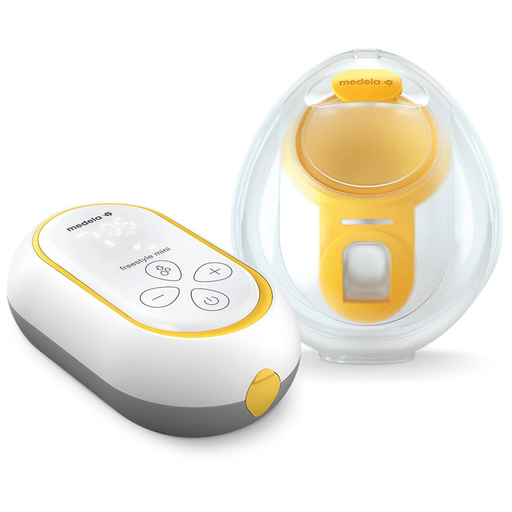
Why This Fits Their Persona: Ideal for mothers who combine breastfeeding with occasional pumping. While the baby nurses on one side, you can use this single pump to empty the other breast. This saves time and can give your milk supply a boost.
Avoids the pitfall of an overly complex device. This pump is simple and intuitive to use, with 9 suction levels and a clear display. The focus is on efficiency for a specific application.
Compact and lightweight: The motor is ultra-compact, and the cup weighs only 76 grams. Efficient: Uses Medela's 2-Phase Expression technology, which mimics a baby's natural sucking rhythm.
A hands-free breast pump is a personal choice. If the models above don't quite match what you're looking for, there are more options available that meet the criteria for comfort and efficiency.
The most reliable method is to measure the diameter of your nipple (not including the areola) and add 2-4 mm. Many manufacturers, like Medela and Momcozy, offer online guides and sizing tools to help you. When in doubt, choose a set that includes multiple sizes of inserts so you can find your fit at home.
For many mothers, yes. Modern hands-free pumps have powerful motors and technology that can effectively establish and maintain milk supply. However, some mothers find that a traditional, hospital-grade pump yields a slightly higher output. A hands-free model's main advantage is convenience and flexibility, which is the deciding factor for many.
Disassemble all parts that come into contact with breast milk. Wash them immediately after use with warm water and mild soap. Most silicone and plastic parts from recent models are dishwasher-safe (top rack only). The motor unit itself should never come into contact with water. Always follow the specific cleaning instructions from the manufacturer.
