Who is this guide for?

Maker with a cramped photo table

You want to fit the whole tile in the frame while leaving room on your limited worktop for the camera, background and lighting. Nikon Netherlands describes the wide-angle setting on the Z DX 16-50mm as useful in tight spaces.

Maker of glazed tiles

You want the colour and reflections to remain recognisable in the photo, so you’re looking for control over the lighting. Adobe explains that soft light can reduce harsh shadows and sharp highlights.

Maker who wants to show texture

Alongside an overall shot, you want to show the relief or glaze up close. Sony distinguishes between magnification and the working distance between the subject and the front of the lens.

What should you look for?

What to consider What should you look for? Who is this important for?
Fitting the whole tile in the frame Measure the tile and the available shooting distance. Compare the angle of view and focusing distance of the exact lens; Nikon Netherlands lists a minimum focusing distance of 0.2 m for the Z DX 16-50mm. I want to frame the entire tile on a small tabletop without cropping any part of it. Around 33% of consumers prioritise an overall shot at close range.
Colour and glaze Allow room for a light source and take test shots with the tile. Adobe explains how soft light can reduce harsh shadows and highlights. With glossy glaze, I want to keep colour and reflections under control in the image. For around 27% of consumers, colour and glaze are the top priority.
Texture details Check both magnification and the practical working distance, so there’s still room for the light. OM SYSTEM lists the TG-7’s microscope mode as being able to focus from 1 cm; that alone doesn’t tell you whether a whole tile will fit in the frame. I want to show fine details of the relief or glaze, and consider this separately from the overall shot. Around 20% of consumers put details first.
Simplicity and cost First try a smartphone you already have. If you’re considering a camera, compare everything included in the kit with what you already own. Adobe suggests a smartphone as an option on a limited budget. If I want a practical setup with as little extra equipment as possible, I’ll first see what my phone can already do. Around 20% of consumers prioritise simplicity and a low initial outlay.

Common buying mistakes

  • Confusing focusing distance with working distance

    Minimum focusing distance isn’t measured from the front of the lens. As a result, there may be less room than you expect between the lens and the tile for lighting.

    Measure your table setup and check both the focusing distance and the working distance. Try framing a shot with the actual tile.

  • Choosing a close-up mode for a photo of the whole tile

    A very close detail shot and a full-tile image require different framing. A close-up feature on its own doesn’t tell you whether the whole tile will fit in the frame.

    First, test the overall shot using the actual tile dimensions. Then check the magnification specifications for the details you want to show.

  • Focusing only on the camera and forgetting what’s included or how you’ll light it

    You won’t necessarily need an extra lens for this setup, but you may need to leave room for lighting. The Nikon kit we reviewed doesn’t include a charger; the Canon EOS R50 kit we reviewed doesn’t include a USB-C charger.

    Compare everything included in the kit with the equipment you already own, and leave room on the table for the light.

    Before buying, also check whether you already have a suitable charger and lighting.

Brands and product ranges to consider

Canon

The EOS R50 with the RF-S 18-45mm kit zoom is a mirrorless camera option for an overall shot and a range of crops.

  • Canon lists a minimum autofocus distance of 0.2 m at 18 mm and 0.35 m at 45 mm for the RF-S 18-45mm.
  • According to Canon, the lens offers a maximum magnification of 0.16× at 45 mm with autofocus. Without knowing the tile’s dimensions, these specifications don’t tell you whether the whole tile will fit on your table.

Nikon

The Z50II kit with the Z DX 16-50mm is a mirrorless camera option for a limited shooting space; the kit we reviewed also includes a 50-250mm lens.

  • Nikon lists a minimum focusing distance of 0.2 m for the 16-50mm and describes its wide-angle setting as useful in tight spaces.
  • The manufacturer’s description isn’t a measurement of your table setup. The extra telephoto zoom may be unnecessary if you won’t use it for other shots.

OM SYSTEM

The compact TG-7 and the micro adventure kit are options for capturing texture up close without an interchangeable lens.

  • According to OM SYSTEM, microscope mode can focus from 1 cm; the kit we reviewed includes an LG-1 light guide. The manufacturer lists the TG-7 as having 12 megapixels.
  • A close-up feature doesn’t prove that a whole tile will fit in the frame from 1 cm away. Check the framing you want and allow room for the light.

Sony

The E 30 mm F3.5 Macro is a lens option if you already own a compatible Sony E-mount camera and want to capture details.

  • Sony lists 1:1 magnification and describes the lens as designed for APS-C cameras with an E mount.
  • A compatible camera body isn’t included. Check separately how much space you’ll have in front of the lens for lighting and framing.

Joybuy cameras for this purpose

The Joybuy cameras below are general-purpose digital camera options for different crops. Zoom details in product titles don’t, on their own, tell you about focusing distance or whether the whole tile can be captured. Check these points and the colour rendition for your setup.

Komery W6 digital camera

Komery W6 digital camera

Could suit anyone who wants to try different crops; separately check that the camera can focus from your table’s shooting distance and capture the entire tile.

The product title lists 12× optical zoom, 4K, Wi-Fi and 64 MP.

View at Joybuy
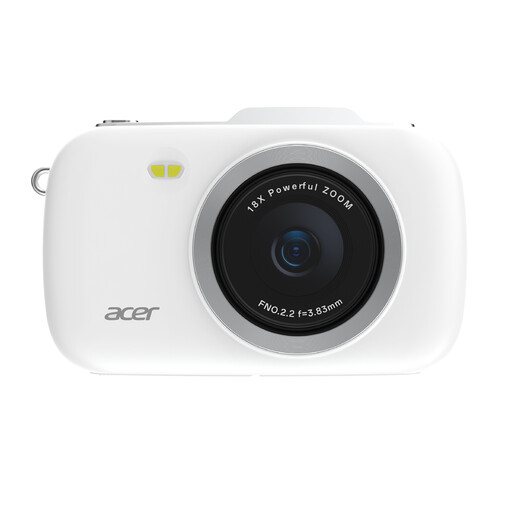
KOMERY G7-A digital camera, white

KOMERY G7-A digital camera, white

Could be worth considering if you’re looking for a zoom camera for different crops; check that it can focus at the actual distance from your tile.

The product title lists 18× zoom, 4K and 80 MP.

View at Joybuy

Songdian pocket camera, pink

Songdian pocket camera, pink

A pocket camera could suit anyone looking for a compact option; test whether the whole tile fits in the frame and comes into focus from the available distance.

The product title lists 4K, 44 MP and 16× digital zoom.

View at Joybuy
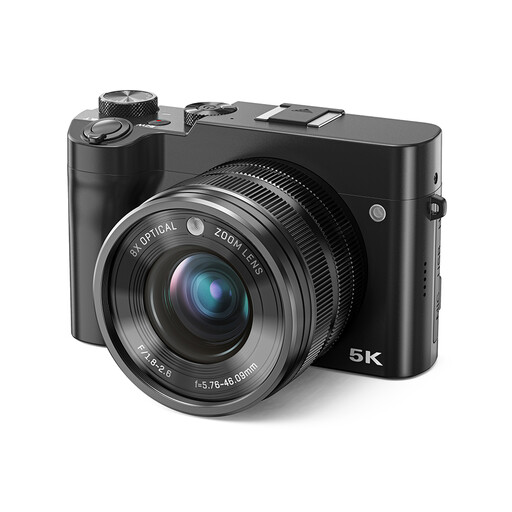
Songdian digital camera, black

Songdian digital camera, black

Could suit anyone considering a camera with optical zoom; for photographing tiles, also check the focusing distance and framing on your table.

The product title lists 8× optical zoom and 5K.

View at Joybuy
Songdian 5K digital camera, black

Songdian 5K digital camera, black

Could suit anyone looking for a camera with optical zoom for different crops; zoom alone won’t determine whether you can capture a close-up or the whole tile.

The product title lists 10× optical zoom and 56 MP.

View at Joybuy

Frequently asked questions

Should I buy a macro camera straight away to photograph a single handmade tile?

No. First try to see whether your current phone can capture the whole tile and the details you want. A macro lens or microscope mode is mainly an option for small details; assess the overall shot and working distance separately.

How do I set up a small space to photograph a glazed tile?

First, make room for the full frame, then position soft lighting to reduce harsh shadows and highlights. Take a test shot with the tile: camera specifications alone can’t guarantee that the glaze will look recognisable.

What should I check when buying a camera kit?

Before buying, check which lenses and charging accessories are included. The Canon EOS R50 kit we reviewed includes a battery and battery charger, but no USB-C charger; the Nikon twin-zoom kit we reviewed doesn’t include a charger.

What consumer rights apply to an online camera purchase in the Netherlands?

For a qualifying distance purchase from a business, you’ll generally have a 14-day cooling-off period; purchases from private sellers aren’t automatically covered by the same rules. According to the Dutch government, the Netherlands has no fixed statutory guarantee period; if there’s a problem with a product, contact the seller. Check the terms if you’re buying as a business rather than as a consumer.
