
Solo storyteller
You want to get started without lots of cables and mainly want to check that your voice sounds clear in your home. Shure highlights that microphone placement affects the balance between direct speech and reflections.


For a storytelling session with one speaker and no separate microphone, a handheld recorder with built-in microphones is a sensible place to start. If you’re recording guests using individual microphones, choose a model with enough compatible inputs and recording channels. In either case, make a test recording in the room you plan to use: Shure explains that a microphone doesn’t automatically separate direct speech from room reflections, so a recorder or recording format alone won’t solve echo.
You want to get started without lots of cables and mainly want to check that your voice sounds clear in your home. Shure highlights that microphone placement affects the balance between direct speech and reflections.
You want to connect, monitor and edit voices separately. Models from Tascam and Zoom offer options with external microphone inputs and individual recording channels.
You want separate channels and file formats and computer connections that suit your editing needs. Tascam and Zoom describe recorders with separate channels and connection options for different recording set-ups.
Start by deciding how many voices you want to record at once. Then work out whether built-in microphones will do, or whether you need separate inputs and channels.
| What to consider | What should you look for? | Who is this important for? |
|---|---|---|
| Clarity in the room | Make a test recording from your usual storytelling spot and try adjusting the distance or microphone set-up. | If I want my voice to sound clear in my own room, I compare the recording using headphones. Around 36% of consumers put clarity first. |
| Getting started quickly | Check how to start recording and whether storage, power and playback are taken care of. | If I want to start telling my story straight away without a complicated set-up, I look for a simple solo arrangement. Around 29% of consumers prioritise being able to get started straight away. |
| Guests on separate channels | Count the number of people speaking at once and check the number of compatible inputs, headphone outputs and recording channels. | If each guest needs their own voice track, I check whether the recorder can capture them all at once. Around 21% of consumers put separate guest voices first. |
| Editing files afterwards | Check the recording formats, USB features and how files transfer to your computer or editing software. | If I want to edit my story afterwards, I look for file formats and transfer options that suit my workflow. Around 14% of consumers say post-production is their main buying concern. |
A recording format won’t automatically prevent room reflections from getting into your recording. Shure explains that a microphone can’t effectively separate direct speech from reflected sound.
Make test recordings with the microphone at different distances or positions, then listen back.
Zoom’s manual states that the H1essential cannot record or play back without a microSD card inserted.
Check which memory card is compatible and what comes with the version you’ve chosen.
A compatible microSD card is required to record and play back independently with the H1essential.
The Tascam DR-40XP has two external XLR/TRS inputs as well as built-in microphones; the RØDECaster Duo has two combo inputs, and the Zoom PodTrak P4next has four XLR inputs.
Count the voices you’ll record at once and check the inputs, headphone outputs and separately recorded channels for each model.
You may need compatible external microphones and cables to record guests on separate tracks.
Tascam reports that some units with serial numbers from 2630001 to 2642004 may have issues with battery life and retaining the date and time.
Check the serial number and, if the unit is in this range, ask about its inspection or repair status.
For a confirmed affected unit, Tascam offers a free inspection and adjustment to address this issue; batteries are excluded.
The H1essential is a handheld recorder with built-in X/Y microphones. The PodTrak P4next is designed for recordings with multiple external XLR microphones.
The DR-40XP combines adjustable built-in microphones with external connections and four-track recording.
The RØDECaster Duo combines a recorder with a studio console for creators who want to bring recording and control together.
These Joybuy products are digital voice recorders for capturing spoken sessions; features vary by model.
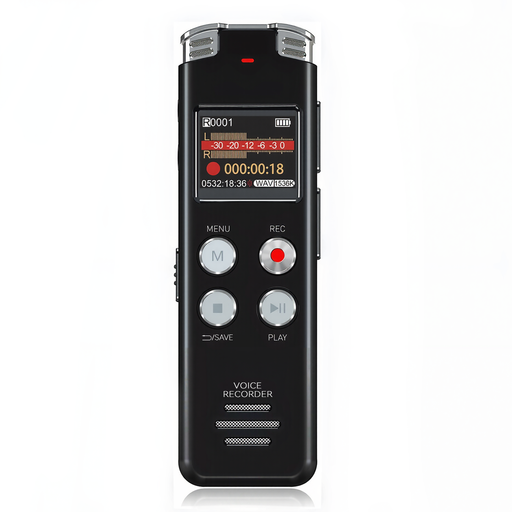 No image available
An option if you want to start recording a spoken session easily and transfer it later.
128GB; LCD screen; grey.
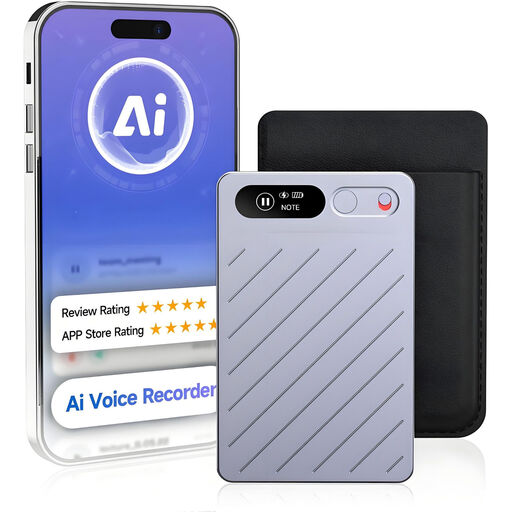 No image available
An option if you want to record a spoken session and are also looking for transcription and summaries.
64 GB; the title mentions transcription and summaries in 118 languages.
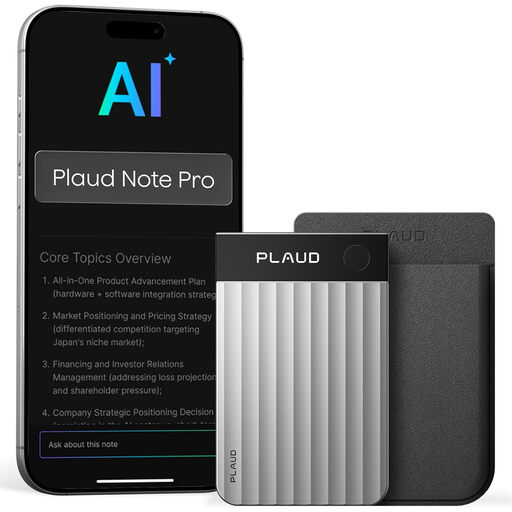 No image available
An option if you’re looking for a voice recorder with AI note-taking and summarising features.
Colour: Silver.
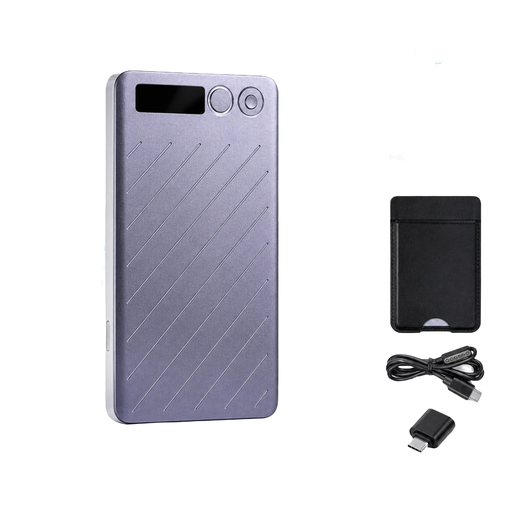 No image available
An option if you want to record a spoken session and are also looking for a transcription feature.
64 GB.
No. A recording format won’t automatically remove the effect of room reflections. Shure explains that a microphone can’t effectively separate direct speech from reflections, so try different microphone distances and positions.
Check storage, power and playback before you begin. Zoom says the H1essential cannot record or play back without a microSD card inserted. You should also make a test recording from the spot where you’ll be telling your story.
For an online purchase by a consumer, you’ll generally have a 14-day cooling-off period from delivery, with some exceptions. ACM ConsuWijzer also explains that the seller must put right, free of charge, a product that doesn’t meet what you could reasonably expect under normal use. A commercial guarantee doesn’t replace your statutory rights.
A recording that makes someone identifiable may contain personal data. The Dutch Data Protection Authority says that, in most cases, you need permission to publish other people’s personal data online, with an exception for use solely for personal or household purposes within a limited circle. So consider how you plan to use a recording before sharing it.