
Vandaag of morgen in huis

Kwaliteit gegarandeerd

Welkomstaanbiedingen ontgrendelen: GRATIS bezorging | Tot 80% korting | Gratis 30 dagen JoyPlus-proefperiode
Download de app
Dry hands are often caused by cold weather, wind, frequent washing or cleaning products. Hand cream can help your skin feel more comfortable and softer, but not every formula suits every user. If you focus only on attractive packaging or a promise such as “intensive care”, you may end up with a cream that feels too greasy, has a strong fragrance or is not pleasant enough for everyday use.
Perfume can make hand cream more enjoyable for some people, but fragrance ingredients are not suitable for everyone. If you have sensitive skin or quickly experience tightness, choosing a fragrance-free hand cream is a sensible option. Always check the full ingredients list. If “parfum” or a fragrance allergen such as limonene, linalool or geraniol is listed, you know the formula is not fragrance-free.
Words such as “natural”, “barrier” or “repairing” say little about the formula on their own. According to a brand’s own research, certain ingredients may contribute to a particular skin feel, but such claims are not a guarantee for every user. Instead, look at verifiable product information, such as glycerine, shea butter, panthenol, oils, ceramides, size and directions for use.
Hand cream for dry and cracked hands can be nourishing, but a thick layer may be impractical behind the wheel, at a keyboard or while doing household chores. That is why many people look for a fast-absorbing hand cream for daytime use. A richer protective hand cream is often more practical in the evening or when your hands are under heavy strain.
A moisturising hand cream often contains humectants. Glycerine is a well-known example. It appears high on the ingredients list in several product formulas and helps the skin feel supple. Hyaluronic acid and panthenol are also found in some formulas. However, pay attention to the full composition rather than just one prominent ingredient on the front of the packaging.
For dry skin, a combination of glycerine and nourishing ingredients may feel more comfortable than a lightweight gel alone. If you are looking for hand cream with glycerine, compare the texture and size as well. A 50 ml tube is convenient for taking with you; 75 or 100 ml is better suited to everyday use at home.
Shea butter, dimethicone, petrolatum, lanolin and plant oils can give the skin a protective or soothing feel. Hand cream with shea butter is worth considering for rough knuckles and dry cuticles. If you have sensitive skin, it is also wise to check carefully for perfume and any known personal allergens.
Ceramides and panthenol are often used in formulas which, according to the product description, support the skin barrier. This does not automatically mean that a cream will resolve skin problems. Stop using it if irritation occurs and consult a doctor or dermatologist if symptoms persist.
Apply hand cream after washing your hands and pay extra attention to your knuckles, fingertips and cuticles. A small amount is usually enough; using too much product mainly increases the sticky feeling. Check the expiry and usage information on the packaging. The period after opening may vary from one product to another.
Compact 30 to 50 ml tubes are practical for taking with you. If you apply hand cream several times a day, a 75 or 100 ml pack is often more useful. Also consider the fragrance: a fresh or sweet scent may be pleasant, but a fragrance-free formula is more convenient if you want to avoid perfume.
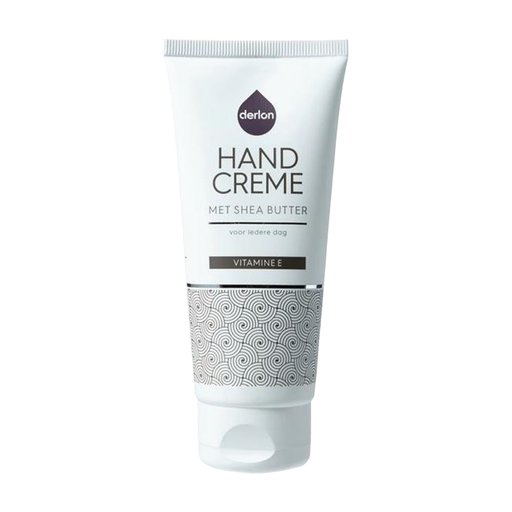
Why it suits this profile: A straightforward option for everyday use, with a generous 100 ml size and a formula listing glycerine, shea butter and vitamin E.
The product information lists the key ingredients, so you do not have to rely on the packaging alone. Please note: the formula contains perfume.
100 ml size; shea butter, glycerine and tocopherol listed in the ingredients.
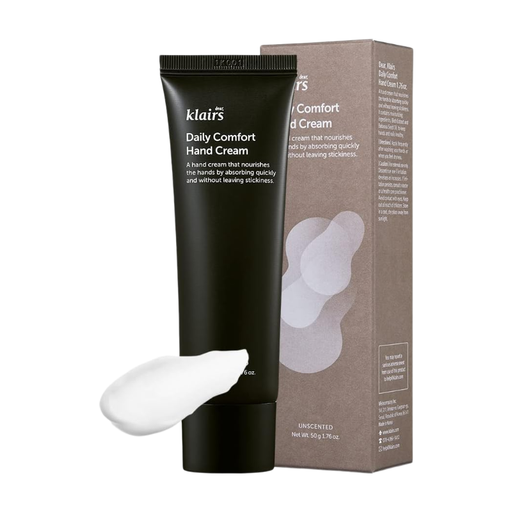
Why it suits this profile: The product description states that it has an unscented, fast-absorbing formula containing glycerine, panthenol, amino acids and various forms of hyaluronic acid.
The “unscented” description and full ingredients list make the choice clearer for anyone wanting to avoid perfume.
50 g size; unscented according to the product information; shea butter and panthenol listed.
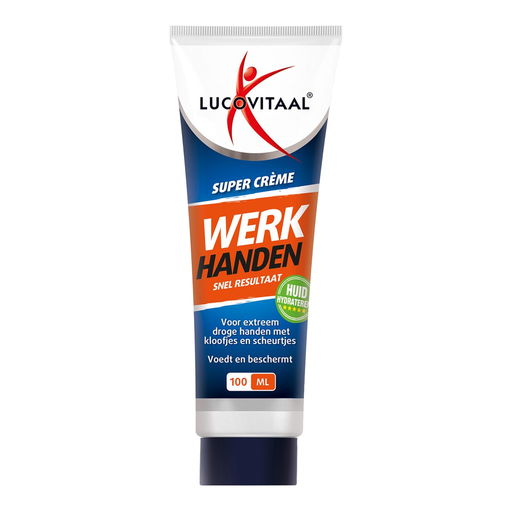
Why it suits this profile: Designed for everyday use after household chores, gardening, DIY or other activities that put frequent strain on your hands.
The product description links its use to dry, rough hands and mentions a short absorption time. However, the formula contains perfume and soya.
100 ml size; shea butter, glycerine, dimethicone and macadamia oil listed.
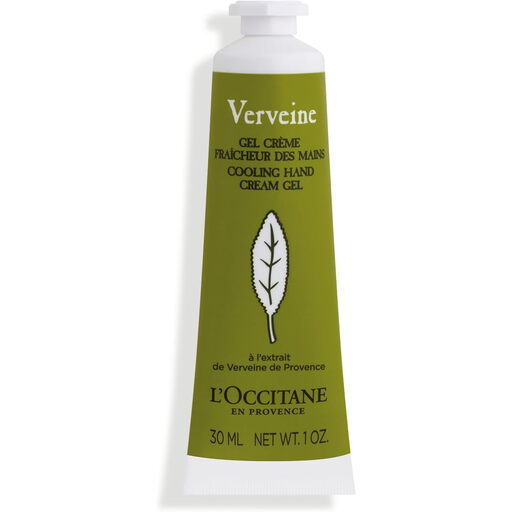
Why it suits this profile: The compact 30 ml size fits easily into a handbag, coat pocket or wash bag. The gel texture is designed for use on the go.
The lightweight gel texture and small tube reduce the risk of a lingering greasy feel. The formula contains alcohol, thyme oil and peppermint oil; check these ingredients if you have sensitive skin.
30 ml size; gel texture; glycerine listed in the ingredients.
We have put together a complete, up-to-date list of products that fully meet these strict selection criteria and the applicable European safety regulations.
Look for a formula with humectants such as glycerine and, if desired, nourishing ingredients such as shea butter or plant oil. For dry and cracked hands, a richer cream may feel more comfortable than a lightweight gel. Use the cream regularly and check whether perfume is suitable for you.
Fragrance-free does not automatically mean that a product is suitable for everyone, but it does avoid added fragrance ingredients. Always check the ingredients list and, if in doubt, test a small amount on a limited area of skin first. Stop using it if irritation occurs.
Apply hand cream whenever your hands feel dry, especially after washing them. If you wash your hands frequently or work with water, applying it several times a day may be practical. A small tube for taking with you and a larger pack at home make regular use easier.
