
Vandaag of morgen in huis

Kwaliteit gegarandeerd

Welkomstaanbiedingen ontgrendelen: GRATIS bezorging | Tot 80% korting | Gratis 30 dagen JoyPlus-proefperiode
Download de app
Dry hands are often caused by cold weather, wind, frequent washing, cleaning products or regular use of hand sanitiser. A hand cream can help the skin feel more comfortable and supple. However, not every moisturising hand cream is suitable for every occasion.
Marketing terms such as “intensive”, “natural” and “fast recovery” do not say much on their own. Instead, look at the ingredients list, size, fragrance and texture. This helps you avoid buying a hand cream that is too greasy for daytime use, too heavily fragranced or not well suited to your daily routine.
A nourishing hand cream containing butters and oils can feel soothing on very dry hands, but it may absorb slowly. This can be inconvenient when you want to type, drive or do household chores straight away.
During the day, a light cream, hand lotion or gel texture is often more practical. In the evening, a richer formula may be a better choice, as you have more time to let the cream absorb.
A product containing natural ingredients may still contain fragrance substances. If your skin reacts quickly to fragrance, it is worth checking the full ingredients list. Look out for terms such as parfum, fragrance, limonene, linalool, geraniol and citronellol.
A fragrance-free hand cream is not automatically suitable for every sensitive skin type, but it does help you avoid added fragrance substances. If in doubt, first try a small amount on a limited area of skin.
Shea butter, vitamin E, jojoba oil or hyaluronic acid may sound appealing, but the overall formulation determines how a product feels. The order of the ingredients on the list is also relevant: ingredients mentioned earlier are generally present in larger amounts than those listed towards the bottom.
Also check the size. A 30 or 50 ml tube is convenient for taking with you, while 100 ml or 250 ml may make more sense for use at home.
A moisturising hand cream often contains glycerine. This ingredient helps attract moisture and is widely used in products for dry skin. Other formulas contain panthenol, hyaluronic acid or plant oils.
For extra protection against moisture loss, look for ingredients such as dimethicone, petrolatum, shea butter or fatty acids. These ingredients can leave a layer on the skin. That is not necessarily a problem, but it does affect the texture.
Be aware of allergies. Almond oil, lanolin and soya, for example, are not suitable ingredients for everyone.
A fragranced hand cream may smell pleasant, but fragrance is not essential for moisturisation. If you prefer a fragrance-free hand cream, choose a formula without “parfum” or “fragrance” in the ingredients list. Always check the packaging, as formulations may change.
If you experience irritation, redness or a burning sensation, it is best to stop using the product. Use hand cream only as directed on the packaging and avoid contact with the eyes.
Think about where you will use the cream:
A hand cream for everyday use should primarily have a texture that makes you want to apply it regularly. In practice, a product that absorbs pleasantly is usually used more consistently than a cream that remains sticky for a long time.
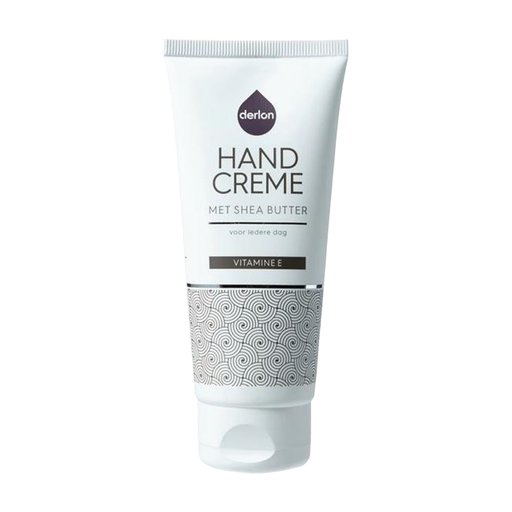
Why it suits this profile: The 100 ml tube is suitable for hand care at home and contains glycerine, shea butter and vitamin E according to the product information.
The ingredients list shows that the product contains fragrance. This allows you to decide in advance whether the scent suits your preferences.
100 ml size; shea butter and glycerine are included in the formulation; hand cream product type.
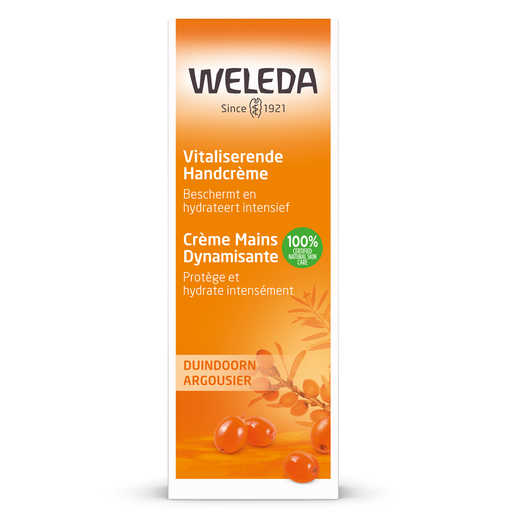
Why it suits this profile: Those who value natural cosmetics and a citrus fragrance will find a compact 50 ml hand cream here.
The Natrue label is mentioned in the product information. Check the label and current packaging yourself if natural ingredients are a decisive factor for you.
50 ml size; sea buckthorn oil is listed; light formula according to the product description.
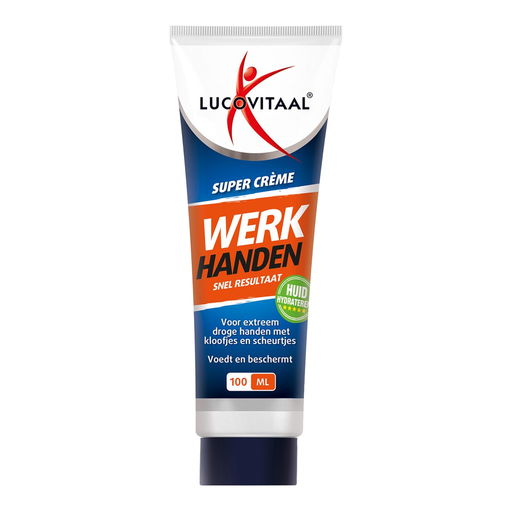
Why it suits this profile: The product description focuses on dry, rough hands after DIY, gardening, housework and other activities involving intensive hand use.
The description mentions shea butter, dimethicone, glycerine and macadamia oil. This gives you more information in advance than the word “intensive” alone.
100 ml size; designed for everyday use; paraben-free according to the product details.
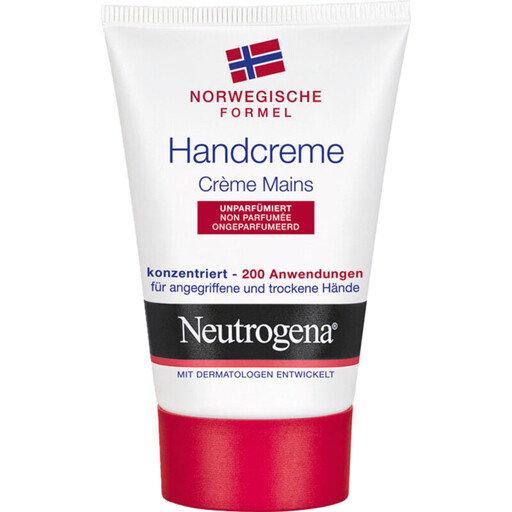
Why it suits this profile: The product information states that it has a concentrated, fragrance-free formula and a 50 ml size for everyday use or taking with you.
The ingredients list does not include fragrance. Nevertheless, check the label when you receive the product for the most up-to-date formulation.
Fragrance-free according to the product name; glycerine is included in the ingredients list; compact 50 ml size.
We have put together a complete, up-to-date list of products that fully meet these strict selection criteria and the applicable European safety regulations.
Apply hand cream for dry hands after washing and drying them, especially when your skin feels tight. Pay extra attention to your knuckles, fingertips and cuticles. For very rough hands, a richer, nourishing hand cream may feel more comfortable in the evening than a light hand lotion.
Cracks, sores or persistent skin problems require extra care. Stop using the product if irritation occurs and seek advice from a doctor or pharmacist if necessary. A cosmetic product is not a substitute for medical treatment.
This depends on your skin and routine. Many adults apply hand cream after washing their hands, before going to bed and whenever their hands feel dry. A light formula is suitable for repeated use during the day; a richer cream is often better suited to the evening.
Look for a short ingredients list and consider a fragrance-free hand cream. Test a new product on a small area of skin first. Also check for ingredients you are allergic to, such as lanolin, almond oil or certain fragrance substances.
Follow the expiry date and the symbol on the packaging, such as 12M, which indicates twelve months after opening. Store the tube or pot in a cool, dry place away from direct sunlight. Close the packaging securely after use to help prevent drying out and contamination.
