
USB hand warmer users
If you’re taking a hand warmer with you, you’ll want to check that the charger’s cable and USB port match the input on your model.


Choose a USB charger based on the input and cable of your own hand warmer; wattage alone won’t tell you whether they’re compatible. If you’re charging several devices, count the USB-A and USB-C ports you need and check how the power is shared between them. Brandweer Nederland advises placing chargers in a clear, open space—not under a pillow or duvet.
If you’re taking a hand warmer with you, you’ll want to check that the charger’s cable and USB port match the input on your model.
If you want to charge several hand warmers and other USB devices at the same time, check the number of ports and how the power is shared between them.
If you’re packing light, compare a wall charger with a power strip with a cable, and check that your chosen model will work with the socket at your destination.
CE marking is mandatory for electrical products where regulations require it, according to the Netherlands Food and Consumer Product Safety Authority. The Netherlands Enterprise Agency explains that CE is a declaration of conformity made by the manufacturer, not an independent safety assessment.
| What to consider | What to check | Who should consider this? |
|---|---|---|
| Connection and charging input | Compare the USB port and permitted input with the hand warmer’s instructions. | If I want to make sure the cable and charging output are right for my hand warmer, the connection comes first. Around 33% of consumers say compatibility is their main concern when buying. |
| Safe charging | Check the charger and cable for damage; choose a dry, clear space and follow the instructions. | I want to charge my hand warmer somewhere the charger can release heat and where it won’t come into contact with moisture or bedding. Around 27% of consumers say safe charging is their top priority. |
| Charging several devices at once | Count the USB-A and USB-C ports and check how the power is shared when they’re used at the same time. | If I also want to connect phones or a second hand warmer, I need to know what each port can supply when used at the same time. Around 20% of consumers say having a shared charging point is their main concern when buying. |
| Taking it with you and connecting it | Check the plug and mains input on the exact model for your destination. | I want to pack light and be able to plug in my charger at my destination. Around 20% of consumers put portability and being able to connect it at their destination first. |
When charging several devices at once, the power may be shared between the ports. Belkin specifies 65 W through a single USB-C port for the BoostCharge Pro, and 45 W plus 20 W when both ports are in use.
Check the port power allocation for the exact model and compare it with the requirements of the devices you’ll charge at the same time.
A USB-C port won’t automatically match your hand warmer’s cable; the required connection varies by model.
Check the instructions and cable, then compare them with the available USB-A or USB-C ports.
A charger that isn’t in a clear, open space may not be able to release heat properly. Damaged cables and moisture are also reasons to check your charging set-up.
Set up a dry, clear charging space and don’t use a damaged charger or cable.
Anker describes the 543 Charger (65W II), model A2046, as a four-port charger for multiple devices.
The Dutch product information for model 00125142 describes a compact charger with two USB-C ports and one USB-A port.
The BoostCharge Pro WCH013vfBK is a wall charger with two USB-C ports.
The UGREEN Nexode range includes wall chargers with three or four ports.
This selection includes compact USB chargers and power strips with USB-A and/or USB-C ports for a shared charging point. For the version you choose, check your hand warmer’s instructions, the mains input and the applicable CE information.
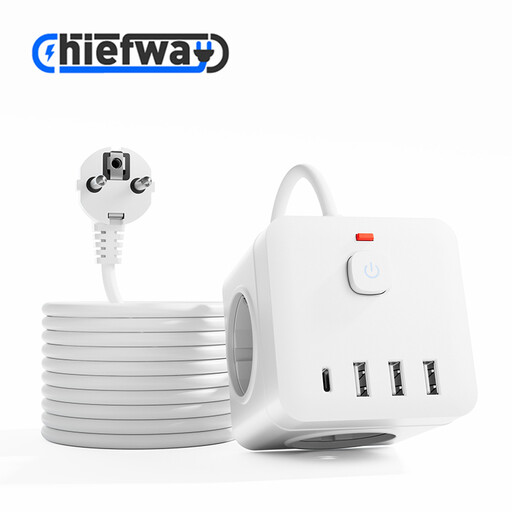 No image available
An option for a shared charging point if your devices’ cables match the listed port types.
The product name lists several AC sockets, USB-A and USB-C charging ports, up to 2500 W and a 1,5 m cable. Keep the product away from water and moisture.
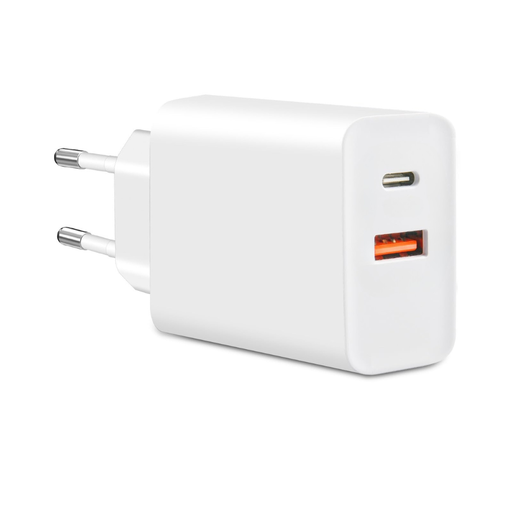 No image available
A compact wall charger to consider if your hand warmer and cable match one of the listed ports.
The product name lists 30 W and USB-A and USB-C ports. Use the charger indoors only, in a dry place.
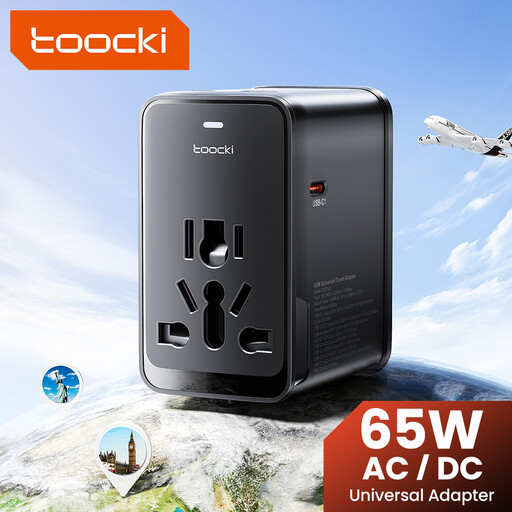 No image available
A travel adaptor to compare if you want to connect several USB devices and the included plug is suitable for your destination.
The product name lists one USB-A port, three USB-C ports and plugs for the EU, UK, US and AUS. Check that the right plug and mains connection will work in your holiday cottage.
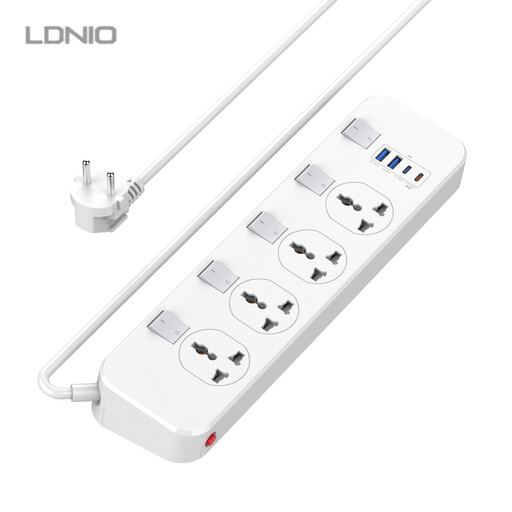 No image available
An option for a permanent shared charging point if you want to connect both USB devices and other plugs.
The product name lists four sockets, two USB-A ports, one 20 W USB-C PD port and a 6,5 ft cable. Check that the plug and mains input are suitable for your destination.
 No image available
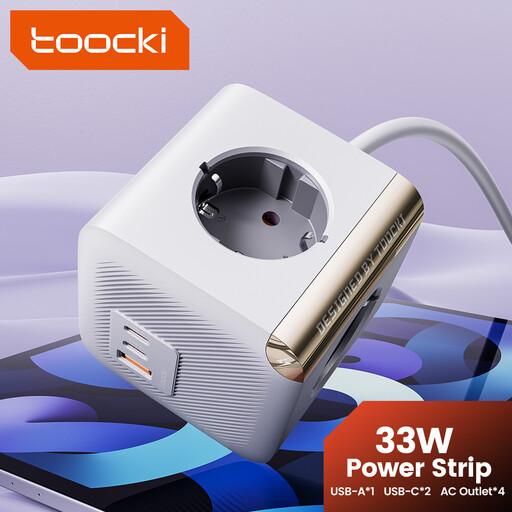
A power strip to consider for charging several devices at one point if your hand warmer has a USB-C cable.
The product name lists four AC sockets and two USB-C ports. The USB charging ports are USB-C, so check that your hand warmer’s cable will connect to them.
Not without checking your hand warmer’s instructions first. Lifesystems says the Dual-Palm model has a USB-C input of up to 5 V/2 A; this isn’t a specification for other hand warmers. Also check that the cable is right for your model.
Follow the instructions and place the charger and hand warmer in a clear, open space—not under a pillow or duvet. Brandweer Nederland also advises against using damaged cables and recommends charging battery-powered devices somewhere heat can escape.
That depends on your destination and the mains input of the exact charger. Netbeheer Nederland gives the Dutch low-voltage mains supply as 230 V and 50 Hz. If you’re staying outside the Netherlands, check the local connection and the information on your charger.
CE marking is mandatory for electrical products where regulations require it, according to the Netherlands Food and Consumer Product Safety Authority. The Netherlands Enterprise Agency says it means the manufacturer declares that the product meets the applicable EU requirements; CE is not an independent quality mark or a guarantee that every individual product is safe.
If you buy a product in the Netherlands, it must meet the standards you’re entitled to expect, and the retailer is your first point of contact. The Dutch Government explains that there is no fixed statutory warranty period; what you can expect depends, among other things, on the product. A manufacturer’s warranty comes on top of your statutory rights.