
If you’re making several batches
You’re making batter for a fundraising sale and want to choose a mixing setup that suits the size of your batches and the appliance’s running and cooling times.


For one small batch, you can make the batter with a whisk or hand mixer; Voedingscentrum lists both options. If you’re making several batches, a hand mixer with a powered bowl can save you from holding the mixer while you work, provided the usable bowl capacity and recommended running time suit your plans. A standalone mixer lets you choose your own bowl, but you’ll need to hold it and follow the instructions for mixing and cooling breaks.
You’re making batter for a fundraising sale and want to choose a mixing setup that suits the size of your batches and the appliance’s running and cooling times.
You’re working with a runny batter and want to be able to increase the speed gradually. Check how the settings on your chosen model are controlled.
You want to know whether you need an extra appliance; for batter, an ordinary whisk may be all you need.
| What to consider | What should you check? | Who is this important for? |
|---|---|---|
| Mixing several batches | Check the usable bowl capacity and the mixing and cooling instructions for the exact model. | If I’m making several batches in a row, I want to know whether the setup and running time fit my plans. Around 36% of consumers say making repeated batches is their main reason for buying. |
| Mixing runny batter with control | Check the lowest speed, the controls and whether beaters are included with that version. | If I’m mixing milk into batter, I want to be able to adjust the speed and use a suitable bowl. Around 29% of consumers prioritise control over mixing speed. |
| Handling and cleaning | Check the weight, handle, eject button and cleaning instructions for the attachments. | If I’m handling and cleaning the mixer and attachments between batches, I look for practical, easy-to-use controls. Around 21% of consumers prioritise handling and cleaning. |
| Worthwhile for occasional use | Consider how many batches you make and whether you already have a whisk and a suitable bowl. | If I only make a small batch occasionally, I don’t want to buy another appliance if my whisk will do. Around 14% of consumers weigh up a purchase mainly for occasional use. |
The stated motor power doesn’t tell you how long a particular model can run continuously or how much batter the bowl can hold.
Read the instructions for the exact model and check the usable bowl capacity before planning to make several batches.
Philips lists a 3.0-litre bowl for the HR3745/00. That figure doesn’t tell you how much pancake batter it can safely hold at one time.
Check the filling and operating instructions for this model, and divide a larger batch if necessary.
A mixer doesn’t remove the need to store food hygienically or provide allergen information when selling at an event.
Before the event, make sure your procedures for storage, cleaning and allergen information comply with the relevant NVWA guidelines.
The HR3745/00 is an example of a hand mixer with a powered bowl, designed for a fixed mixing setup.
The CleverMixx MFQ2420B is a standalone hand mixer for use with your own bowl.
The Prep'Mix HT450B38 is an example of a model with beaters and several settings for different mixing tasks.
The MultiMix 3 HM 3100 WH may be worth considering if you’re also thinking about weight distribution when choosing a standalone mixer.
The THM3001B is a standalone hand mixer supplied with beaters and dough hooks.
This selection mainly features standalone hand mixers for making batter in your own bowl, along with a Philips model with a powered mixing bowl for anyone who wants a fixed mixing setup.
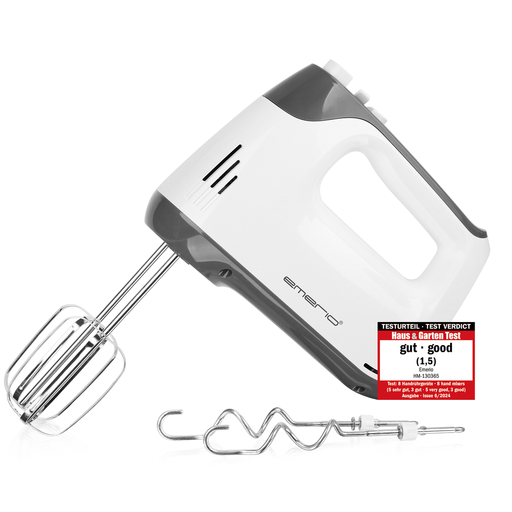 Image unavailable
For making batter in your own bowl, the product description lists beaters and a function that gradually increases the speed.
The description also mentions an eject button and advises against prolonged continuous mixing; allow the motor to cool down between uses.
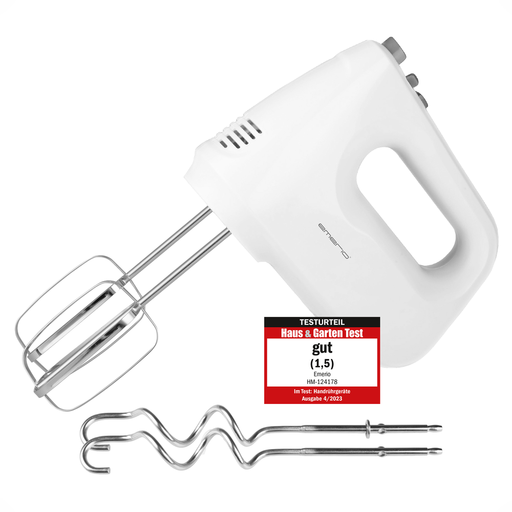 Image unavailable
For mixing in your own bowl, the product description lists beaters and a function that gradually increases the speed.
The description also mentions dough hooks and an eject button. Prolonged continuous mixing is not recommended; allow the motor to cool down between uses.
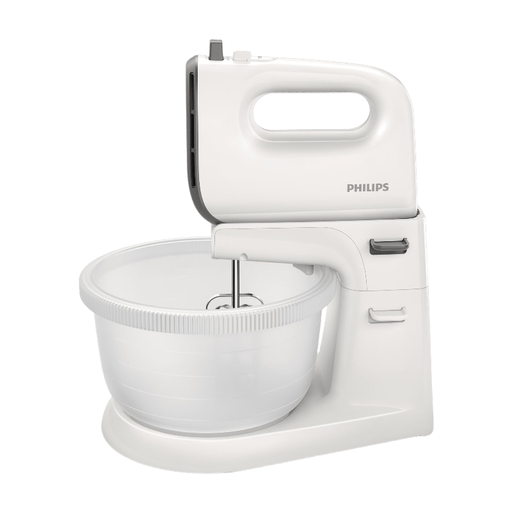 Image unavailable
The powered bowl provides a fixed mixing setup for anyone making several batches; the stated capacity isn’t the maximum amount of batter it can hold.
Philips lists six speeds, 450 W, a 3.0-litre bowl, beaters and a dough hook.
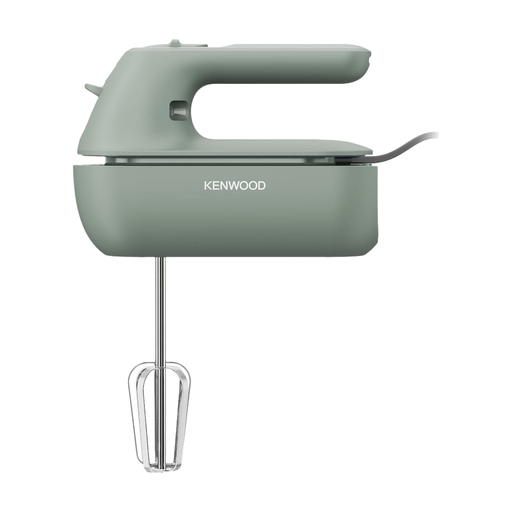 Image unavailable
For making batter in your own bowl, the product description lists beaters and a function that gradually increases the speed.
The product name lists 400 W and five speeds; the title also mentions dough hooks.
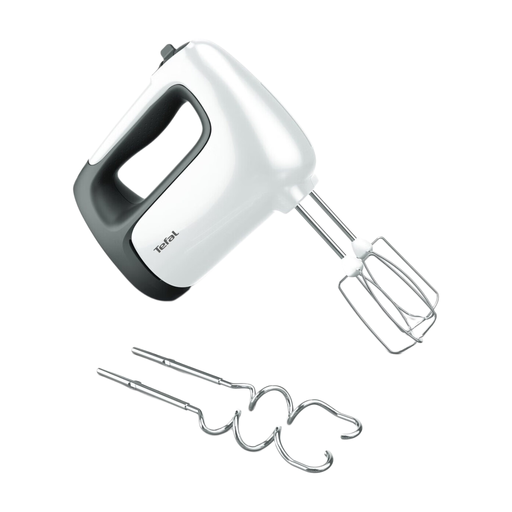 Image unavailable
This standalone hand mixer is an option for making batter in your own bowl; check which attachments are included with that version before you buy.
The product name lists 500 W, five speeds, beaters and dough hooks. The product description mentions removable attachments that are dishwasher-safe.
Voedingscentrum explains that you mix the flour, egg and some of the milk with a whisk or mixer until smooth, then add the rest of the milk. This doesn’t specify the maximum batch size for a hand mixer.
Follow the instructions for the exact model. One manufacturer says its hand mixer should be used with beaters for no more than five minutes at a time, followed by a 20-minute cooling period; this instruction doesn’t automatically apply to other models.
Switch off the appliance and unplug it before changing attachments or cleaning it. Then follow the cleaning instructions for your model, and don’t assume the attachments are dishwasher-safe.
According to ACM ConsuWijzer, the seller must offer an appropriate solution free of charge if a product breaks sooner than you could reasonably expect with normal use. This could be a repair or replacement, for example.
The NVWA says that safe and hygienic preparation, sale and storage requirements also apply to private sellers at markets and events. According to the NVWA, anyone who prepares and sells food several times a year must have a food safety plan based on HACCP; don’t assume this requirement automatically applies to a one-off event. For unpackaged products, appropriate allergen information must be available before purchase.