
Baker making several batches
You’re making more than one batch of batter for guests and want to weigh up whether a handheld mixer will do, or whether a model with a bowl would make mixing easier.


For a single batch of coffee cake batter, a handheld mixer with beaters and adjustable speed is a practical choice. If you’re making several batches, a model with a rotating mixing bowl can mean less time spent holding the mixer. Compare the attachments included, the weight in use and how much space the bowl and stand take up. Follow your recipe’s mixing instructions, as the right mixing time varies from cake to cake.
You’re making more than one batch of batter for guests and want to weigh up whether a handheld mixer will do, or whether a model with a bowl would make mixing easier.
You want to mix butter, eggs and flour according to your recipe, without assuming that every coffee cake needs the same mixing time.
You’re looking for an appliance without a fixed bowl and want to consider how it feels to hold, which parts can be removed and how to clean it.
First, decide how much batter you’ll make at a time and whether you’d rather hold the mixer yourself. Then compare the mixing settings, attachments and cleaning instructions for the exact model.
| What to consider | What to look for when buying | Who is this important for? |
|---|---|---|
| Control over the batter | Check that the mixer has a low-speed setting and beaters, and adjust your mixing to follow the instructions in your recipe. | I want to be able to adjust the speed to suit each mixing step in my recipe; around 33% of consumers rank this control as a top priority. |
| Making several batches | Compare the amount of batter in your recipe with the maximum quantity the model can process, and consider whether you want to switch bowls between batches. | When I’m making several batches for guests, holding the mixer less or being able to switch bowls easily is important; around 27% of consumers make multiple batches their main priority. |
| Comfort when holding | Compare the stated weight and the grip, or consider a stand with a bowl if you’d rather not hold the mixer for long. | I don’t want to have to hold a mixer for longer than necessary while mixing; around 20% of consumers prioritise comfort when holding it. |
| Storage and cleaning | Check the cleaning instructions, release button and the space needed for accessories, bowl and stand for each model. | If I have limited storage space and want parts that are easy to clean, that matters more than having extra accessories; around 20% of consumers make compact storage and easy cleaning their main priority. |
A stated capacity of 3 L doesn’t tell you how much batter the appliance can process at a time.
Check the maximum processing quantity for the exact model and compare it with your recipe.
If the appliance can handle less than your recipe requires, you may need to mix the batter in extra batches.
The recommended mixing method varies by recipe. For one coffee cake recipe, King Arthur Baking says to mix until the dry streaks disappear, while another cake discussion recommends mixing for longer.
Follow the order, speed and mixing time given in each recipe, rather than relying on one general rule.
The Philips HR3740/00 and HR3745/00 are described with different set-ups; features of one model don’t automatically apply to the other.
Compare the full model number and check which bowl and attachments come with the version on offer.
This helps reduce the risk of buying a version without the expected mixing bowl or with different cleaning instructions.
The ErgoMixx MFQ36400 is a handheld mixer; Bosch also offers versions with different accessories.
The HR3740/00 is a handheld mixer. The HR3745/00 is the version to look at if you want a stand with an automatically rotating bowl.
The THM3001B is a handheld mixer with beaters, dough hooks and several speed settings.
The MultiMix 3 range includes hand mixers with different combinations of attachments.
The QuickMix HMP30.A0SI is a handheld mixer with beaters and dough hooks.
This Joybuy selection includes hand mixers for batter, one of which has an automatic mixing bowl. Compare the parts and settings for each model with the method in your recipe.
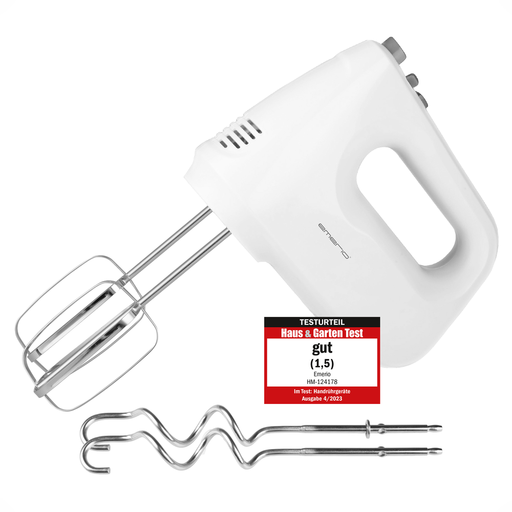 No image available
An option to compare if you want to adjust the speed to suit your recipe as you mix.
Six speeds and a turbo function.
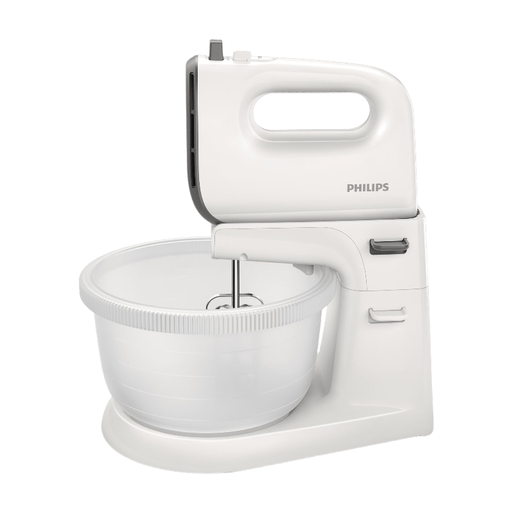 No image available
A version to consider if you’re making several batches and would rather not hold the mixer all the time.
Automatic 3 L mixing bowl, 450 W, beaters and dough hook. The bowl capacity doesn’t determine how much batter can be processed at a time; also check the speed settings on the version being offered.
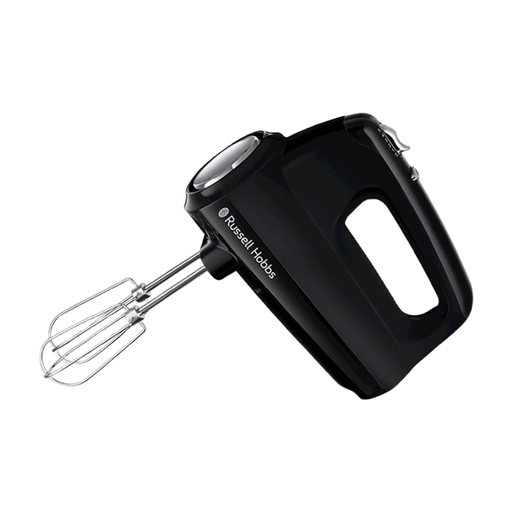 No image available
An option to include in your comparison if you want to mix batter and are also considering how easy it is to clean afterwards.
Check which attachments are included with this version and which cleaning instructions apply.
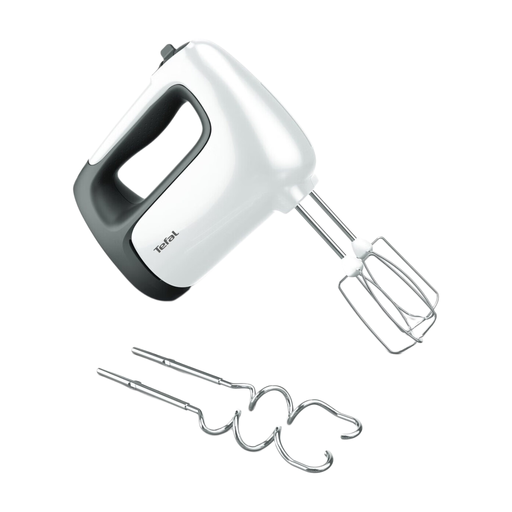 No image available
A model to compare if you want to use different speeds for different steps in your recipe.
Five speeds, 500 W, beaters and dough hooks.
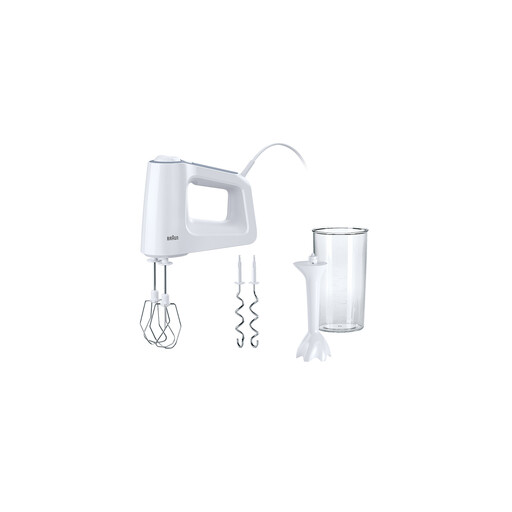 No image available
An option to compare if you want to match the mixing settings to the steps in your recipe.
Check the attachments included and the settings available on this exact version.
No. A published coffee cake recipe from King Arthur Baking uses a spatula or spoon and says a mixer isn’t needed. Follow the method in your own recipe; mixing instructions vary from cake to cake.
Check that your chosen mixer comes with beaters for batter. Switch the appliance off before removing attachments, and follow the manual for cleaning. Tomado says the THM3001B attachments are dishwasher-safe, while Philips says this doesn’t apply to the HR3740/00 parts.
Not necessarily. According to the Government of the Netherlands, there is no fixed statutory warranty period in the Netherlands, and the seller is your point of contact if a product is faulty. Check whether an extended warranty really adds anything to your rights.
For a mains-powered appliance within the voltage range covered by Directive 2014/35/EU, the relevant European electrical safety requirements apply. According to the European Commission, the CE marking is a declaration made by the manufacturer, not an independent EU approval. Parts intended to come into direct contact with batter are covered by the applicable EU rules on food contact materials.