
Vandaag of morgen in huis

Kwaliteit gegarandeerd

Welkomstaanbiedingen ontgrendelen: GRATIS bezorging | Tot 80% korting | Gratis 30 dagen JoyPlus-proefperiode
Download de app
A good hand mixer is an indispensable tool in any kitchen, whether you're baking a quick cake or whipping cream for a pie. But the search for the right one can feel like navigating a maze of marketing jargon and technical specs. An underpowered model turns kneading dough into a frustrating chore, while a poorly designed mixer quickly gets relegated to the back of the cupboard.
Before you make a purchase, it's wise to know the common pitfalls. Many buyers fall for the same marketing traps and end up with an appliance that doesn't meet their expectations.
By recognising these common problems, you can make a more informed choice.
To avoid a bad purchase, focus on a few key specifications. These determine how the hand mixer will perform in practice.
As mentioned, wattage isn't everything. For most home bakers tackling cake batter, pancakes, and whipped cream, an electric mixer with a power rating between 250 and 400 watts is typically sufficient. Do you plan to regularly knead heavy bread or pizza dough? Then look for models with 400 watts or more, preferably from brands known for their durable motors. These often deliver better torque (rotational force), which is essential for tougher jobs.
A good mixer for baking comes standard with two types of attachments:
Multiple speeds give you control. A low starting speed (often called a 'soft start') prevents flour and other ingredients from splattering out of the bowl. Most mixers have 3 to 5 speeds, which is fine for most recipes. A turbo function provides a short, powerful boost to eliminate lumps or finish the final stage of mixing.
Based on objective specifications and different user profiles, we've compiled a list of popular choices for you.
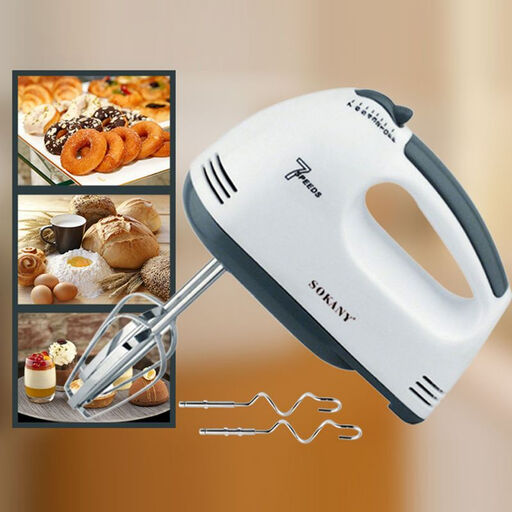
Why This Fits Their Persona: Ideal for those who bake occasionally and want a functional appliance without a big spend. Suitable for basic tasks like whipping cream and mixing cake batter.
This model is transparent about its power (180W) and is priced accordingly. You aren't paying for an exaggerated wattage claim. The included accessories are functional for light tasks.
Budget-friendly price: An accessible entry point.
Comes complete: Includes whisks and dough hooks for various recipes.
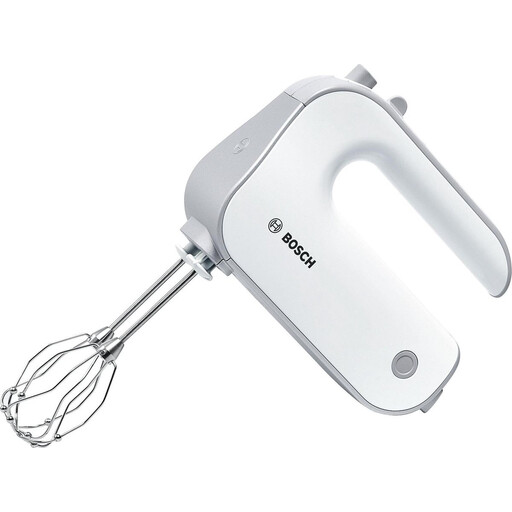
Why This Fits Their Persona: For the home cook who bakes regularly and needs a reliable, powerful machine that can also handle heavier dough. Durability and performance are paramount.
The 500W motor is not only powerful but also efficient and relatively quiet. The stainless steel accessories are sturdy and designed for durability, so they won't bend easily. The ergonomic design ensures comfort, even during extended use.
Powerful 500W motor: Suitable for heavy tasks like bread dough.
High-quality accessories: Durable stainless steel whisks and dough hooks.
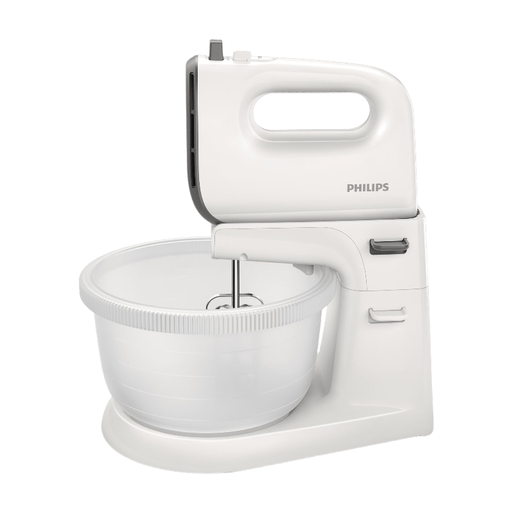
Why This Fits Their Persona: Perfect for those who want the convenience of a stand mixer without the high cost or large footprint. The rotating bowl does the work for you, ideal for multitasking in the kitchen.
This model completely sidesteps the pitfall of an uncomfortable design by enabling hands-free mixing. The focus is on functionality and convenience, not just high wattage. The suction cups ensure stability.
Auto-driven bowl: Mixes evenly without you having to hold the mixer.
Powerful 450W motor: Ample power for most recipes.
We have compiled a complete, up-to-date list of products that fully meet these strict selection and safety criteria.
For general use, such as whipping cream and mixing cake batter, a power rating between 250 and 400 watts is usually sufficient. If you plan to regularly knead heavy dough (like bread or pizza dough), it's advisable to choose a model with 400 watts or more. However, don't just look at the wattage; consider the overall quality of the motor and the brand as well.
Yes, you can, provided the hand mixer comes with sturdy dough hooks and has a sufficiently powerful motor (ideally 400W+). Never use the standard whisks for kneading dough, as they can bend. Also, check the mixer's manual for the recommended maximum kneading time to prevent the motor from overheating.
A hand mixer is a compact, portable device that you hold in your hand to mix, whip, and perform light kneading. A stand mixer (also known as a kitchen machine) is a larger, more powerful appliance with a fixed stand and a bowl. It operates hands-free, can handle larger quantities, and is better suited for very heavy-duty tasks. However, a hand mixer is more compact, easier to store, and often more affordable.
