
Vandaag of morgen in huis

Kwaliteit gegarandeerd

Welkomstaanbiedingen ontgrendelen: GRATIS bezorging | Tot 80% korting | Gratis 30 dagen JoyPlus-proefperiode
Download de app
Dry hands are often caused by cold, wind, frequent hand washing, cleaning products or activities that put the skin under considerable strain. Hand cream can help the skin feel more comfortable. However, not every cream is suitable for every occasion or skin type.
Marketing copy can also make it easy to pay too much for a pleasant fragrance, luxury packaging or a promise that is not clearly reflected in the ingredients list. Use these practical selection points to compare hand creams based on the features that really matter in everyday use.
Grapefruit, mandarin, citrus, vanilla or woody fragrances can make a hand cream enjoyable to use. However, perfume says little about its moisturising properties. Sensitive hands may also respond less well to perfumed formulas. If you are looking for a fragrance-free hand cream, it is worth checking the full ingredients list.
Words such as “intensive”, “nourishing” and “24-hour hydration” are no substitute for specific information. Instead, look for ingredients such as glycerine, shea butter, dimethicone, plant oils and panthenol. According to NIVEA’s own research, the Q10 formula is associated, among other things, with reducing the visibility of fine lines. This is a brand claim, not a guaranteed result for every user.
A 30 or 35 ml tube is convenient for a handbag or coat pocket, but can run out quickly with daily use. For home or work, 75 or 100 ml is often more practical. So do not just compare the price per pack; also consider the quantity and when you intend to use it.
For a hand cream for dry hands, moisture-binding and soothing ingredients are important. Glycerine helps retain moisture in the upper layer of the skin. Shea butter and plant oils provide a richer skin feel and are often found in a nourishing hand cream. Petroleum jelly, dimethicone and similar ingredients can leave a protective layer on the skin.
Texture is important when hands are chapped. A rich cream is better suited to use before bed or on severely dehydrated skin. During the day, a fast-absorbing hand cream may feel more comfortable, especially if you need to type, drive or do household chores afterwards.
A natural hand cream is not automatically fragrance-free or suitable for every sensitive skin type. So check both the certification and the ingredients. Weleda states that its Sea Buckthorn Vitalising Hand Cream carries a NATRUE guarantee label and contains 100% natural ingredients. The product information also mentions a grapefruit and mandarin fragrance.
If you prefer to avoid perfume, look for products clearly labelled “fragrance-free” or “unscented”. Always check the packaging, as formulas may change.
For a hand cream for chapped skin, it is sensible to follow the instructions for use and warnings. Apply the cream to clean hands and pay extra attention to knuckles, cuticles and dry areas. Stop using it if irritation occurs. Cosmetics are intended for external use and are not a substitute for medical advice.
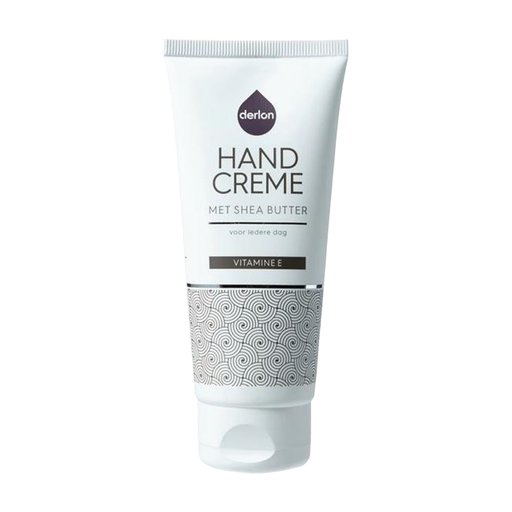
Why it suits this profile: A 100 ml size for everyday use, with shea butter, glycerine and vitamin E listed among the stated ingredients.
The quantity is clearly stated, making it easier to compare with smaller tubes and estimate the price per ml.
100 ml capacity; the ingredients list mentions shea butter, glycerine and tocopherol (vitamin E).
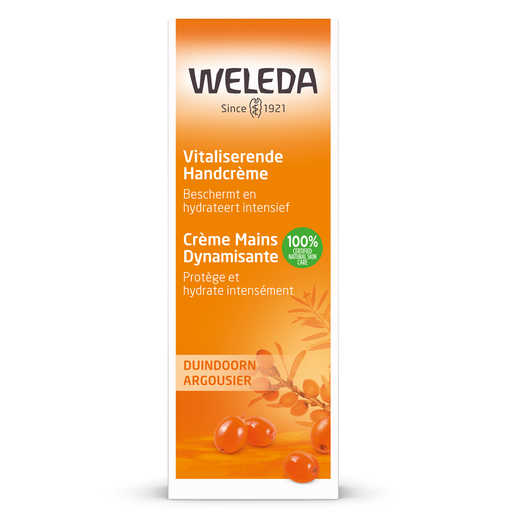
Why it suits this profile: For those who value natural ingredients, a citrus fragrance and a non-greasy texture.
The product information mentions both the NATRUE label and the texture and fragrance. This allows you to weigh up its natural positioning alongside its practical features.
50 ml capacity; according to the product description, 100% natural ingredients and a non-greasy cream.
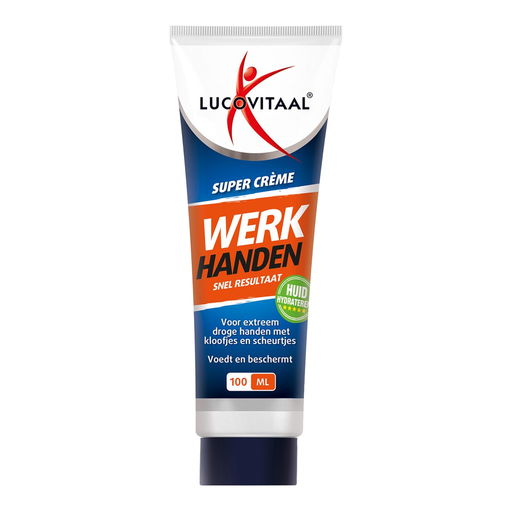
Why it suits this profile: Designed for adults who do a lot of gardening, DIY, cleaning or other work involving their hands.
The product description specifically targets dry and hard-working hands, and mentions use after household chores, gardening and DIY tasks.
100 ml capacity; the ingredients list includes shea butter, glycerine, dimethicone and macadamia oil, among others.
We have put together a complete, up-to-date list of products that fully meet these strict selection criteria and the applicable European safety regulations.
Apply hand cream after washing your hands and again whenever your skin feels tight. A small amount is usually enough; massage it particularly into your knuckles, fingertips and cuticles. For overnight use, you can choose a richer hand cream for chapped hands. During the day, a lightweight version is often more comfortable.
If you have sensitive skin, look out for perfume, alcohol and known allergens. Check the current packaging, as the ingredients list and instructions for use are the definitive source of information. Products containing shea butter, glycerine or plant oils may feel nourishing, but individual tolerance varies.
Use hand cream whenever your hands feel dry or tight, especially after washing them. If you wash your hands frequently, applying it several times a day may be practical. The right frequency depends on your skin and everyday circumstances.
Check the packaging for the expiry date and the symbol indicating the period after opening, such as 12M. Store the tube according to the instructions, usually in a cool place away from direct sunlight. Close the cap securely to help prevent the cream from drying out or becoming contaminated.
Ideally, choose a formula with a short, clear ingredients list and check whether it is fragrance-free. For example, the Neutrogena Norwegian Formula Hand Cream Fragrance-Free lists glycerine and no perfume among the stated ingredients. Stop using it if irritation occurs, and seek advice from a doctor or pharmacist if skin problems persist.
