
Vandaag of morgen in huis

Kwaliteit gegarandeerd

Welkomstaanbiedingen ontgrendelen: GRATIS bezorging | Tot 80% korting | Gratis 30 dagen JoyPlus-proefperiode
Download de app
Dry hands are often caused by cold weather, frequent hand washing, cleaning products or work that puts constant strain on the skin. Hand cream can help your skin feel more comfortable and softer. However, the most expensive tube is not automatically the right choice. The texture, ingredients, fragrance, size and intended use all determine whether a product works for you in practice.
Words such as “intensive”, “natural” or “long-lasting hydration” do not say much on their own. Check the ingredients list and product details. Glycerine helps attract moisture, while ingredients such as shea butter, plant oils, dimethicone or petrolatum can help the skin feel softer and limit moisture loss. The effect varies depending on the formula and your skin type.
A fresh citrus fragrance or luxurious appearance can be appealing, but perfume and fragrance ingredients are not comfortable for everyone. If you are looking for a hand cream for sensitive skin, it is worth checking the full INCI list. Also look out for common fragrance ingredients such as limonene, linalool, geraniol or citronellol. A fragranced product is not necessarily unsuitable, but it is a factor to consider.
A 30 or 35 ml tube is convenient as a hand cream for on the go, but it may run out relatively quickly with daily use by the whole family. A 75 to 100 ml pack is more practical for home or work. Also check whether the cream absorbs quickly. A rich formula may feel pleasant in the evening, but be less convenient when you need to type, drive or do housework straight afterwards.
For a hand cream for dry hands, several types of ingredients are relevant:
For very dry or cracked hands, a richer nourishing hand cream may feel more comfortable than a lightweight gel. Apply a small amount after washing and pay extra attention to your knuckles, cuticles and fingertips.
A gel cream is often lightweight and suitable for daytime use. A richer cream creates a fuller layer of care and is better suited to evenings or colder months. If you are often out and about, you can carry a fast-absorbing hand cream in a small tube.
Pay attention to the wording on the product page: “absorbs quickly” is a usage claim made by the brand. According to the manufacturer’s or seller’s own product information, the experience can vary from person to person, partly depending on how much you apply.
A fragrance-free formula can be a logical choice if you prefer to avoid fragrance ingredients. Always check the label, as a product name containing “sensitive” or “natural” does not automatically mean that it is fragrance-free. Also read the warnings: cosmetics are generally intended for external use, contact with the eyes should be avoided and you should stop using the product if irritation occurs.
Dutch and European cosmetics regulations require, among other things, an ingredients list and information about the responsible market operators. When buying online, check that the product page provides enough information and compare it with the packaging when your order arrives.
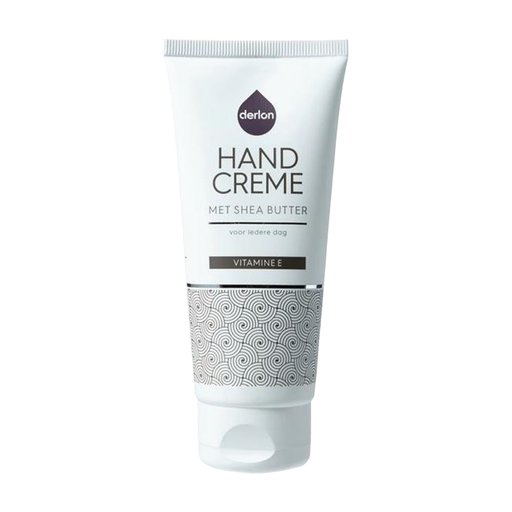
Why it suits this profile: The 100 ml pack is practical for everyday use at home, while shea butter and vitamin E suit anyone looking for simple, nourishing hand care.
The product information lists specific ingredients and a clear size. However, the formula contains perfume and fragrance ingredients, so check this in advance if you prefer to avoid them.
100 ml size; shea butter and tocopherol are listed among the ingredients; suitable as an everyday hand cream.
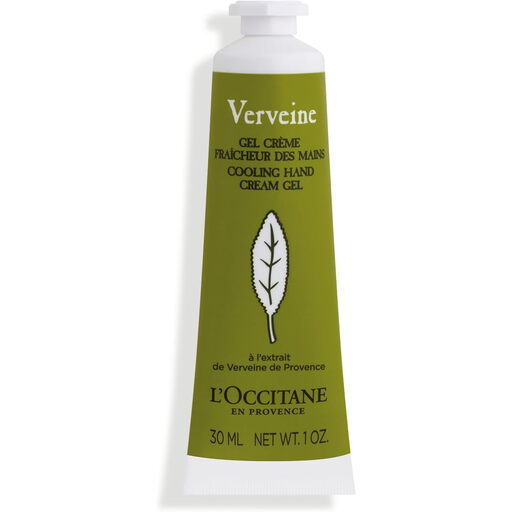
Why it suits this profile: The lightweight gel texture, lemon verbena fragrance and compact tube are ideal for anyone who sees hand care as a fresh daily ritual.
The size is clearly stated as 30 ml, allowing you to consciously choose portability rather than a large family pack. The ingredients list includes glycerine and alcohol, among other ingredients.
30 ml tube; lightweight gel texture according to the product description; suitable for use on the go.
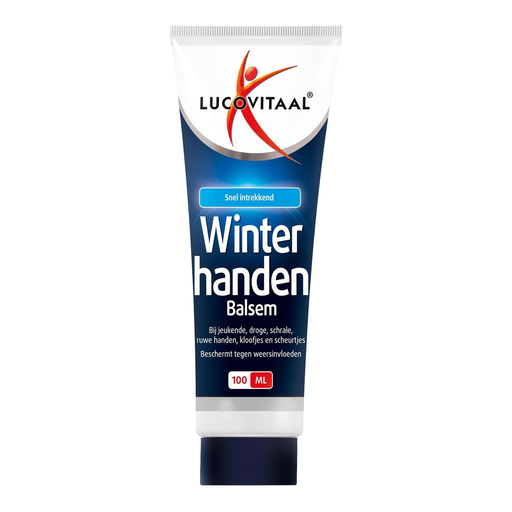
Why it suits this profile: The product description focuses on dry, rough and cracked hands in cold conditions. The 100 ml tube is suitable for regular use.
The choice is based on listed ingredients such as glycerine, lanolin and jojoba oil, rather than just the name “winter”. The formula contains perfume; read the packaging carefully if you have sensitive skin.
100 ml size; intended for dry and cracked hands; product information states that it has a fast-absorbing texture.
Apply a small amount to clean, dry hands. Massage the cream into the backs of your hands, palms, fingers and cuticles. Reapplying after washing your hands makes sense, as water and soap can affect how your skin feels. Use a lightweight formula during the day and keep a richer hand cream for winter hands beside your bed if you mainly moisturise in the evening.
Check the shelf life and the period after opening, usually shown by an open jar symbol and, for example, “12M”. Store the tube in a cool, dry place and close the cap properly. Stop using the product if irritation occurs and seek advice from a doctor or pharmacist if skin problems persist; a cosmetic hand cream is not a medicine.
We have put together a complete, up-to-date list of products that fully meet these strict selection criteria and the applicable European safety regulations.
That depends on your skin and daily activities. You can reapply after washing your hands or whenever your skin feels tight. Start with a small amount to avoid a sticky layer.
Look for a formula with humectant ingredients such as glycerine and emollient ingredients such as shea butter or plant oil. For very dry hands, a richer cream may feel more comfortable; for work and use on the go, a fast-absorbing hand cream is more practical.
Not necessarily, but fragrance-free hand cream does reduce one possible source of irritation. Always check the full ingredients list and stop using the product if you experience redness, itching or a burning sensation.
