
Vandaag of morgen in huis

Kwaliteit gegarandeerd

Welkomstaanbiedingen ontgrendelen: GRATIS bezorging | Tot 80% korting | Gratis 30 dagen JoyPlus-proefperiode
Download de app
Dry hands don't just appear in winter. Frequent hand washing, cleaning products, cold wind, and working with paper or tools can leave your skin feeling rough and tight. A hand cream can help your hands feel more comfortable and softer, but not every formula suits every moment of use.
When buying hand cream, don't just focus on words like "intensive", "natural" or "anti-age". Instead, check the ingredients, texture, fragrance and size. This way, you'll avoid choosing a cream that's too greasy for daytime, too light for chapped hands, or unsuitable if you're sensitive to perfume.
Terms like "24-hour hydration", "restorative" or "protective" sound clear, but they don't always reflect your experience. According to a brand's own research or product information, such claims may apply under certain conditions. So always look at the ingredients list and usage instructions too.
For a hydrating hand cream, ingredients like glycerine, oils, butters and occlusive agents such as petrolatum or dimethicone are relevant. The exact effect depends on the full formula and your skin.
A nourishing hand cream with shea butter can be lovely for the evening or for very dry hands. During the day, however, a thick layer can feel sticky, especially if you're about to type, cycle or drive.
If you're looking for a hand cream for daily use, it's wise to look for terms like fast-absorbing, light gel texture or non-greasy finish. This remains a product feature; how quickly a cream absorbs varies by amount and skin type.
A fragranced hand cream can be pleasant, but perfume and fragrance ingredients are often listed separately on the ingredients list. For those who prefer to avoid perfume, an unscented formula is a more logical choice. Always check the packaging too, as ingredients and warnings can change.
If you have cracks, irritation or persistent skin issues, it's wise to seek professional advice. A cosmetic product is not a treatment for a medical condition.
Look for a combination of humectants and emollient ingredients. Glycerine helps retain moisture in the upper layer of the skin. Shea butter, cocoa seed oil, jojoba oil and plant-based oils can leave the skin feeling supple. Petrolatum and dimethicone form a protective layer that can help limit moisture loss.
For a hand cream for dry hands or a hand cream for chapped hands, a richer formula is often more practical than a very thin lotion. For normal hands, a lighter cream may be sufficient for use after washing.
A fast-absorbing hand cream suits work, travel and office use. A gel is generally light and refreshing, while a balm-like cream can offer more comfort for rough skin. Apply a small amount and repeat if needed. Too much product will make even a light formula feel greasier.
If you're looking for a fragrance-free hand cream, choose a product whose description explicitly states "unscented" or "without perfume". With a fragranced hand cream, the scent experience and composition matter more than just the name of the fragrance.
Also check claims such as vegan, cruelty-free, dermatologically tested or natural on the product page and packaging. These features can vary from product to product. "Natural" also doesn't automatically mean a formula is suitable for everyone.
A 30 to 50 ml tube fits easily into a bag. A 75 to 125 ml pack is more convenient for home or shared use. Pay attention to the shelf life and the period after opening. The packaging contains the most up-to-date information on batch number, expiry date and usage.
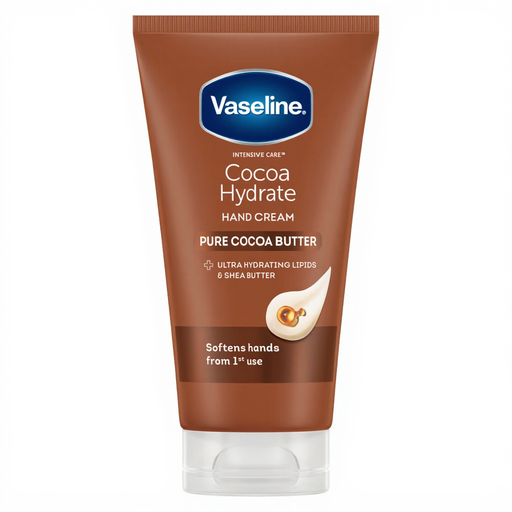
Why this fits the profile: This hand cream is designed for daily use and comes in a practical size for home or on the go. According to the product information, the formula contains glycerine, petrolatum, shea butter and cocoa butter.
The composition clearly shows which humectant and protective ingredients are included, rather than just using a general hydration claim.
75 ml; product information states fast absorption; contains shea butter and cocoa butter; has fragrance.
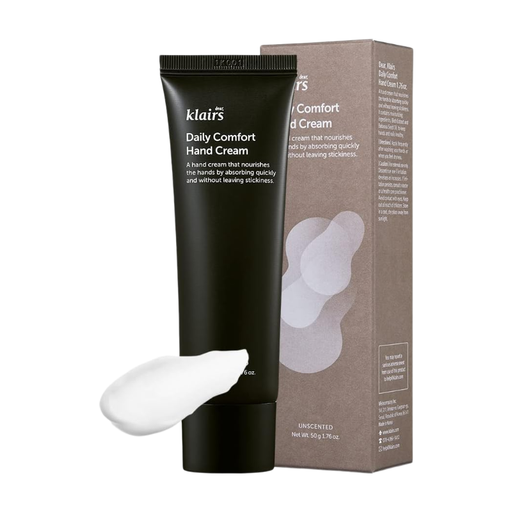
Why this fits the profile: This unscented formula is suitable for those who value comfort, a light finish and a clear ingredients choice.
The product description explicitly mentions an unscented, fast-absorbing texture. This makes the choice more transparent for use at work or after hand washing.
50 g; fragrance-free according to the product description; contains multiple forms of hyaluronic acid, panthenol, amino acids and shea butter.
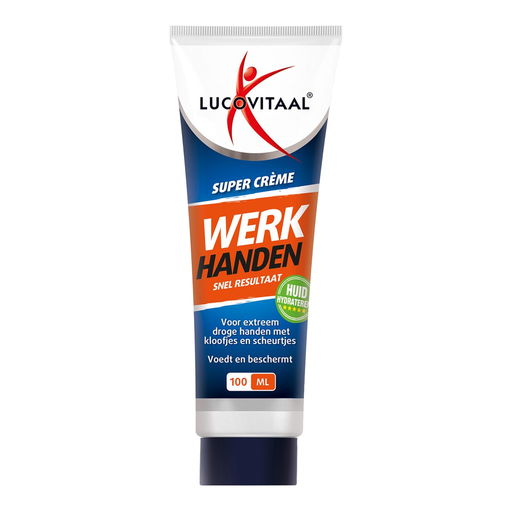
Why this fits the profile: The product information focuses on dry and stressed hands after household chores, gardening, DIY or industrial work.
The description specifically states which work situations the cream is intended for. This allows you to compare the application with your own daily demands.
100 ml; contains shea butter, macadamia oil, glycerine and allantoin; product information states daily use.
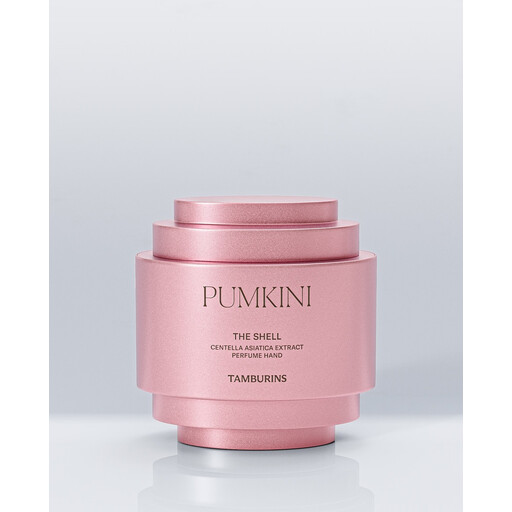
Why this fits the profile: The compact size is suitable for a handbag or coat pocket. The product description combines glycerine and shea butter with the PUMKINI fragrance.
The description mentions both the fragrance and the texture. So you know in advance that it's a fragranced hand cream and not an unscented formula.
30 ml; contains glycerine and shea butter according to the product description; suitable for use on the go.
We've put together a full, up-to-date list of products that fully meet these strict selection criteria and comply with current European safety regulations.
Apply a small amount after washing your hands and whenever your skin feels dry or tight. A richer hand cream can be lovely before bed. Massage it into your knuckles and cuticles too.
Choose a formula that, according to the product information, is intended for dry, chapped or cracked hands, and look for emollient and protective ingredients such as glycerine, shea butter, oils or dimethicone. Stop if irritation occurs and seek advice if cracks keep coming back or become painful.
It can be, as long as your skin reacts well to the formula. If you're sensitive to fragrance ingredients or prefer not to use scent, it's better to choose an unscented hand cream. Always check the current ingredients list on the packaging.
