
Vandaag of morgen in huis

Kwaliteit gegarandeerd

Welkomstaanbiedingen ontgrendelen: GRATIS bezorging | Tot 80% korting | Gratis 30 dagen JoyPlus-proefperiode
Download de app
Dry, rough or cracked hands don’t always need the same hand cream. A light gel can be ideal for on the go, while a richer formula suits hands that are frequently washed or exposed to cold, cleaning products and outdoor work. The choice is vast, but marketing terms don’t always tell the full story.
With this practical guide, you can compare hand creams based on ingredients, texture, scent, size and how you’ll use them.
A fragranced hand cream may smell lovely, but perfume says nothing about its moisturising ability. What’s more, fragrance ingredients such as limonene, linalool, coumarin and geraniol can be relevant if you have sensitive skin. Always check the ingredients list, and if in doubt, choose a fragrance-free hand cream.
Terms like “intensive”, “natural” or “24-hour hydration” are only useful when you also examine the formula. Glycerine helps retain moisture, while petroleum jelly, dimethicone, shea butter and plant oils can provide a protective or softening layer. The effectiveness depends on the full composition and your skin type.
Brand claims are not automatically independent conclusions. According to NIVEA’s own research, their Q10 formula helps reduce the appearance of fine lines and pigmentation spots. Treat this as product information from the brand, not a guarantee for every user.
A 30ml or 50ml tube is handy for a handbag or coat pocket, but it will run out quickly with daily use. A 75ml to 100ml pack is better suited to a permanent spot at home or in the office. For a hand cream for on the go, a sturdy cap, compact packaging and fast absorption matter more than an extra-rich texture.
For a hand cream for dry hands, these ingredients are particularly relevant:
For a hand cream for cracked hands, a protective, richer texture is often practical. Apply the cream especially after washing and before sleeping. If irritation, pain or small wounds persist, cosmetic hand care is not enough, and you should seek advice from a doctor or pharmacist.
A gel typically absorbs quickly and feels light. That’s handy if you need to type, drive or do the shopping shortly after. An intensive hand cream with butters and oils can stay on the skin longer. It’s better suited to your evening routine or for severely dehydrated hands.
Also consider where you’ll use it. In an office, a non-greasy moisturising hand cream is pleasant; after gardening, DIY or frequent hand washing, a richer nourishing hand cream makes more sense.
Only choose a natural hand cream when the ingredients and certifications clearly support this. Weleda, for example, states a NATRUE label and 100% natural ingredients in its product information. Check the packaging at the time of purchase, as formulations can change.
If scent matters to you, you can opt for a fragranced version with, say, citrus, rose, verbena or woody notes. If you prefer to avoid perfume, look for “fragrance-free” or “without perfume” and check the full INCI list. An anti-ageing hand cream sometimes contains ingredients like Q10 and UV filters, but visible results vary from person to person.
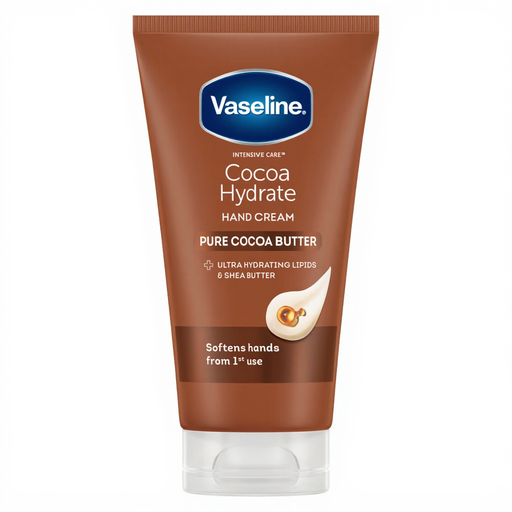
Why this fits the profile: An accessible everyday hand cream with a 75ml content. The product description mentions glycerine, petrolatum, dimethicone, shea butter and cocoa butter.
The ingredients list makes the formula verifiable. However, watch out for perfume and the fragrance ingredients mentioned if you are looking for a fragrance-free hand cream.
75 ml; combination of glycerine, petrolatum, dimethicone, shea butter and cocoa butter; designed for daily use and on the go.
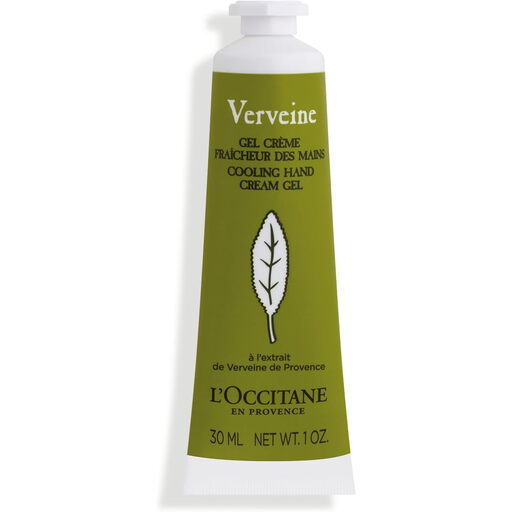
Why this fits the profile: The light gel texture and compact size suit anyone who wants a care product with a fresh scent for work, travel or on the go.
The product information clearly states 30 ml, a gel texture and a verbena scent. This means you know in advance that it is not a heavy winter balm.
30 ml; fast absorption according to the product description; contains glycerine, plant oil and lemon verbena extract.
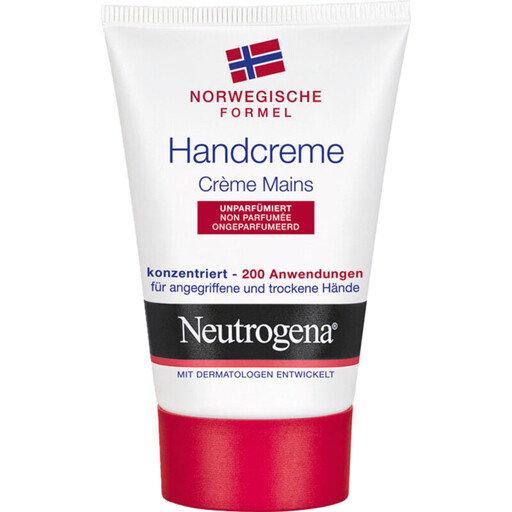
Why this fits the profile: This concentrated, fragrance-free hand cream is aimed at dry and damaged hands and suits people who prefer to avoid fragrance ingredients.
The formula states no perfume and contains glycerine. If you have allergies, always check the current packaging, even when a product is labelled as fragrance-free.
50 ml; concentrated formula; glycerine is high on the ingredients list; fragrance-free according to the product name and description.
We have compiled a full, up-to-date list of products that fully meet these strict selection criteria and comply with current European safety regulations.
Apply hand cream after washing, when your skin is still slightly damp. Massage extra product into your knuckles, cuticles and dry patches. With an intensive hand cream, a small amount can be enough; too much product mainly means a longer absorption time.
For daytime, choose a formula that absorbs quickly. For night-time, a richer cream may be a better fit. If you work outdoors a lot, garden or do DIY, it’s a good idea to keep a tube in several places, for example in the bathroom, kitchen and work bag.
Finally, pay attention to the shelf life and the period after opening. The manufacturer states this information on the packaging. Stop using the product if irritation occurs and avoid contact with the eyes.
That depends on how dry your hands are and how often you wash them. Many people use hand cream after washing and before sleeping. With a light gel, repeated application during the day can be practical; a richer formula may sometimes need less frequent use.
Check the packaging for the expiry date and the symbol for the period after opening, for example 12M. Store the tube in a cool, dry place, close the cap properly and keep the product out of direct sunlight. If the scent, colour or texture changes, do not use the cream any longer.
Look for an intensive formula with, for example, glycerine, shea butter, petroleum jelly, dimethicone or nourishing oils. A fragrance-free version can be a logical choice if you want to limit fragrance ingredients. For painful cracks, bleeding or persistent skin problems, it is better to seek medical advice.
