
Vandaag of morgen in huis

Kwaliteit gegarandeerd

Welkomstaanbiedingen ontgrendelen: GRATIS bezorging | Tot 80% korting | Gratis 30 dagen JoyPlus-proefperiode
Download de app
Dry hands, rough knuckles or a tight feeling after washing: a hand cream can make your daily hand care routine much easier. However, not every moisturising hand cream is suitable for every situation. A light gel works well on the go, while a richer formula is better suited to dry hands in winter.
Marketing copy can sometimes make it difficult to compare products fairly. That’s why it’s best to focus on the ingredients list, size, texture and when you’ll be using it. Below, you’ll find out what matters most and which popular choices suit different needs.
A fragranced hand cream may smell lovely, but perfume says nothing about its moisturising ability. What’s more, those with sensitive skin can react badly to fragrance ingredients. Always check whether the formula contains ingredients such as glycerine, shea butter, panthenol, hyaluronic acid, plant oils or petrolatum.
“Intensive” or “24 hours” is a brand claim, not a universal measurement. According to NIVEA’s own product information, the Luminous630 hand cream is designed to nourish for 24 hours, but how your skin feels can vary from person to person and from season to season. So be sure to check the full ingredients list and the texture too.
A 30 ml or 35 ml tube is handy for a hand cream to take on the go, but it can run out quickly if you use it frequently. For home or the office, 75 ml to 100 ml is often more practical. Compare the amount you get with the price, rather than just the look of the packaging.
For a hand cream for dry hands, humectants such as glycerine and hyaluronic acid are useful. Richer ingredients, including shea butter, cocoa butter, lanolin, dimethicone and petrolatum, help the skin feel comfortable and can form a protective layer.
For rough or cracked hands, applying regularly is more important than one thick layer. A hand cream for chapped skin can cosmetically help with a dry feeling, but it does not replace medical advice for persistent, painful or inflamed skin.
A fast-absorbing hand cream with a gel or light cream base is ideal for daytime use, for example after washing your hands. A nourishing hand cream with shea butter or oils usually feels richer and is better suited to the evening or colder months.
Pay attention to ingredients such as alcohol, fragrance and essential oils if you often experience a tight or tingling sensation. Always check the packaging for the most up-to-date formulation.
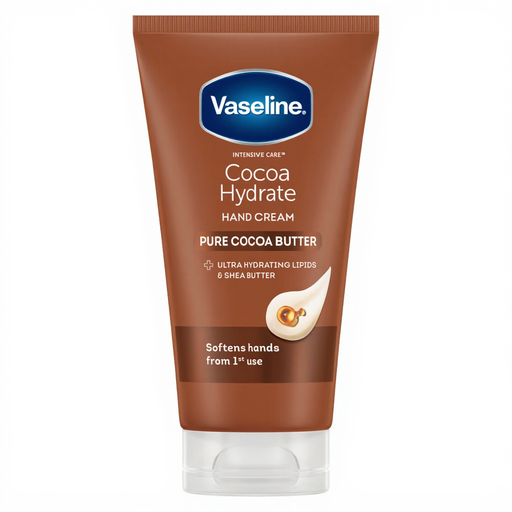
Why this suits the profile: A 75 ml size is practical for daily use, and the formula includes glycerine, petrolatum, dimethicone, shea butter and cocoa butter.
The product information mentions both fast absorption and moisturising lipids. If you have a fragrance-sensitive skin, do check the listed fragrance ingredients.
75 ml size; glycerine, petrolatum, shea butter and cocoa butter in the ingredients list.
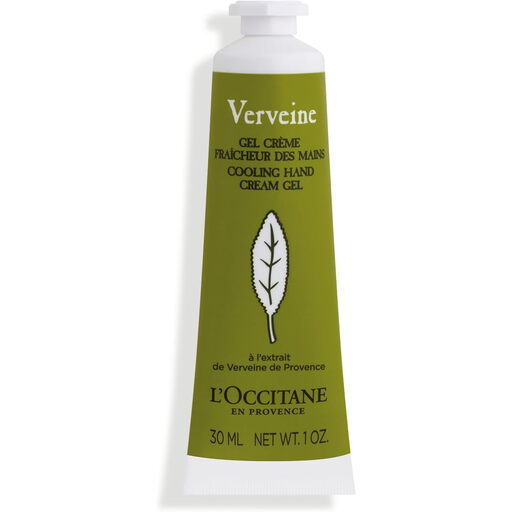
Why this suits the profile: The light gel texture, subtle lemon verbena scent and compact size make it ideal for polished use at the office or on the go.
The 30 ml size clearly makes it suitable for on the go. The gel prevents a heavy feel, but it may be less suitable for very dry skin that needs a rich cream.
30 ml tube; light gel texture; glycerine and plant-based ingredients listed.
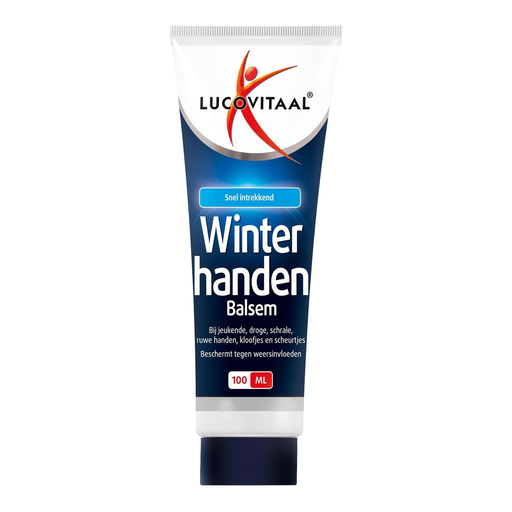
Why this suits the profile: The product description focuses on dry, rough winter hands and mentions use in the morning and evening.
The 100 ml size is suitable for regular use. The formula includes glycerine, lanolin, jojoba oil and dimethicone; check for fragrance and lanolin if you have personal sensitivities.
100 ml size; aimed at dry and rough hands; contains glycerine, lanolin and jojoba oil.
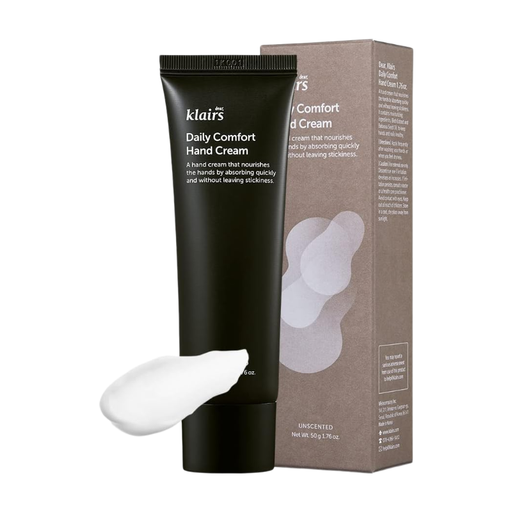
Why this suits the profile: The product information mentions an unfragranced, fast-absorbing formula for daily use, containing panthenol, shea butter and several forms of hyaluronic acid.
The unfragranced formulation prevents scent from being the main selling point. Read the full ingredients list and stop if irritation occurs.
50 g size; unfragranced according to the product description; hyaluronic acid, panthenol and shea butter listed.
We’ve put together a full, up-to-date list of products that fully meet these strict selection criteria and comply with current European safety regulations.
It depends on your skin and daily routine. After washing your hands and before bed is a practical starting point. If you have a lot of contact with water, cleaning products or cold air, applying more often can be beneficial.
Look for a richer formula containing, for example, glycerine, shea butter, petrolatum, lanolin, oils or dimethicone. A product like Lucovitaal Winter Hands Cream is, according to the product description, intended for dry and rough winter hands. For painful, bleeding or persistent symptoms, it’s wise to consult a doctor or pharmacist.
Follow the expiry date and the period-after-opening symbol on the packaging. Many cosmetic products show a symbol such as 12M, which means twelve months after opening. Keep the tube closed, cool and dry, and avoid direct sunlight.
