
Vandaag of morgen in huis

Kwaliteit gegarandeerd

Welkomstaanbiedingen ontgrendelen: GRATIS bezorging | Tot 80% korting | Gratis 30 dagen JoyPlus-proefperiode
Download de app
Dry hands often result from cold weather, wind, frequent washing, cleaning products, or work that puts heavy strain on the skin. A hand cream can help make the skin feel more comfortable, but not every formula suits every occasion. A light gel is handy for on the go, while a richer cream may be better suited to chapped hands or cracked skin.
A fragranced hand cream may smell lovely, but scent says little about its moisturising properties. So be sure to check the ingredients list too. Glycerine, shea butter, plant oils, panthenol and occlusive ingredients such as petrolatum or dimethicone are commonly used to attract moisture, leave the skin feeling supple, or limit moisture loss.
If you often experience a tight or sensitive feeling, an unscented formula could be a practical choice. When in doubt, first test a small amount on a limited area of skin.
A natural hand cream is not automatically suitable for everyone. Even natural fragrances and plant extracts can cause a reaction in some people. So look at the full ingredients list rather than just the terms on the front of the packaging.
According to the product information, the APIVITA Honey Hand Cream contains 96% natural ingredients. That is a verifiable product specification, but it does not mean the cream feels the same on every skin type. The formula includes honey, hyaluronic acid, shea butter and cocoa butter, among other ingredients.
A 100 ml tube offers more product than a 30 or 40 ml tube, but a compact size is easier to carry around. The texture also matters. An intensive hand cream can feel richer and take longer to fully absorb. A fast-absorbing hand cream is more convenient during work, driving, or after washing your hands.
For daily care, humectants such as glycerine are worth considering. For dry, rough hands, a formula with shea butter, plant oils or dimethicone can leave a comfortable protective layer. Petrolatum is also used in products that help limit moisture loss.
Bear in mind that "24-hour hydration", "repair" or "intensive" are brand claims. According to a brand's own research, such claims may have been established under specific conditions. So do not regard them as a universal guarantee. The ingredients and your own experience using the product will give you a more practical picture.
A cream-gel or gel texture generally feels lighter than a full cream. That can be useful if you apply it frequently during the day. For very chapped hands, a richer formula may better suit your preference, especially for evening use.
A fast-absorbing hand cream does not automatically mean you will not need to reapply. After washing, cleaning, or working with water, repeated application may be necessary.
Check before you buy:
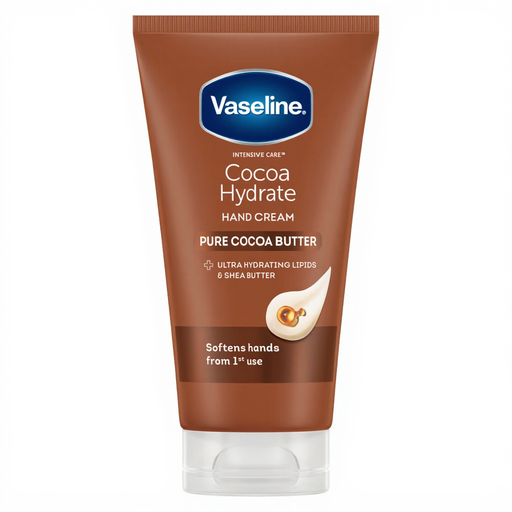
Why this fits the profile: A familiar 75 ml size for anyone looking for a moisturising hand cream for daily use and to keep in their bag.
The product information mentions not only hydration but also the texture: the cream is said to absorb quickly without a greasy feel. Check the ingredients if you want to avoid fragrances.
75 ml content; according to the product description, contains glycerine, petrolatum, dimethicone, shea butter and cocoa butter.
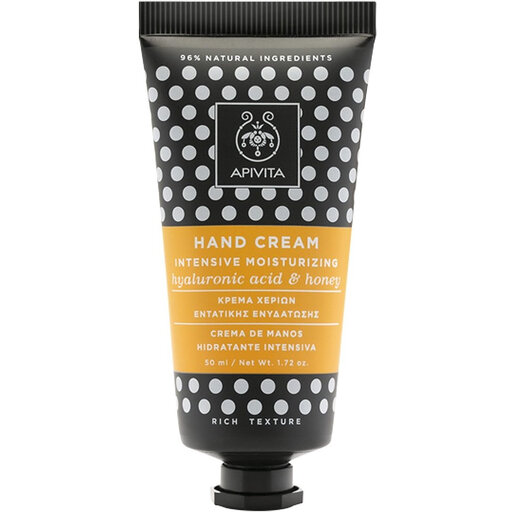
Why this fits the profile: Suits adults looking for an intensive hand cream with honey in a compact size.
The product page lists specific ingredients and a target audience for dry skin. This allows you to base your choice on the formula and size, rather than just the scent or packaging.
50 ml; according to the product information, 96% natural ingredients, with honey, hyaluronic acid, panthenol, shea butter and cocoa butter.
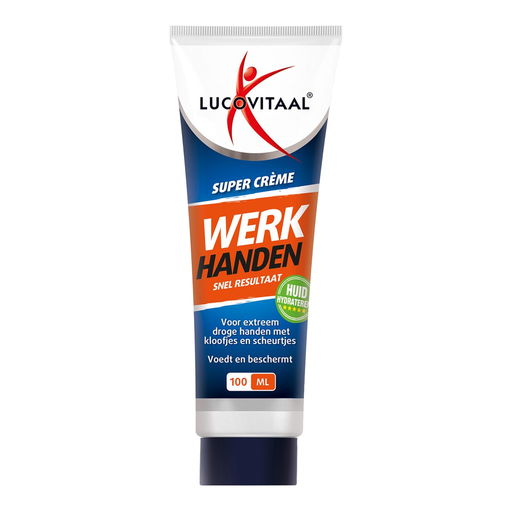
Why this fits the profile: Aimed at people who frequently garden, do DIY, housework, or otherwise use their hands intensively.
The product description links the product to specific use situations, such as gardening and DIY. This makes the choice more practical than a general claim about soft hands.
100 ml; formula with shea butter, glycerine, dimethicone, macadamia oil and allantoin according to the product information.
We have put together a full, up-to-date list of products that fully meet these strict selection criteria and comply with current European safety regulations.
Apply a small amount after washing and massage the cream into the backs of your hands, your palms and around your nails. Do not forget the spaces between your fingers. For a hand cream for cracked skin or a product for very dry hands, evening use can be pleasant because the cream then stays on the skin for longer.
Store the tube according to the instructions on the packaging and check the period after opening, often indicated by an open-jar symbol such as 12M. If symptoms persist, you have painful cracks, or there is clear irritation, it is wise to seek advice from a doctor or pharmacist.
That depends on your skin and your activities. Apply hand cream after washing your hands, after contact with cleaning products, and when your skin feels tight. With intensive use, several applications a day may be necessary.
Look for a formula with, for example, glycerine, shea butter, panthenol, plant oils or protective ingredients. For daily use, a fast-absorbing hand cream is handy; for chapped hands, a richer texture may be more pleasant. Always read the full ingredients list.
Follow the expiry date and the symbol for the period after opening on the packaging. Many cosmetic products state a usage period of, for example, 12 months after opening, but the information on the actual label is what you should follow.
