
If you make small portions of soup
You usually blend a small pan of potato and leek soup and want the blending foot and beaker to suit the quantity, without any unnecessary attachments.


If you mainly blend cooked soup in a small saucepan or a suitable beaker, start with a straightforward hand blender whose blending foot suits the quantity and is easy to detach for cleaning. Extra speed settings can be useful if you want to start gently; a chopper or whisk is only worthwhile if you’ll use it for other recipes too. A higher wattage alone won’t tell you how smooth the soup will be.
You usually blend a small pan of potato and leek soup and want the blending foot and beaker to suit the quantity, without any unnecessary attachments.
You want to blend soup straight in the pan and are looking for a gentle start, a comfortable grip and ways to minimise splashes.
You might also want to chop or whisk with it, and are weighing up those extra functions against the space needed for storage and cleaning.
A good fit if: you mainly blend cooked soup and want to store as few parts as possible.
The trade-off: it doesn’t include a chopper for separate chopping tasks.
A good fit if: you want to start gradually when blending small or shallow portions.
The trade-off: extra controls may be unnecessary if you only blend soup.
A good fit if: you regularly chop ingredients or whisk things as well as making soup.
The trade-off: extra attachments take up space and need cleaning after use.
First, think about the pan or beaker you use. Then decide whether ease of starting, cleaning or extra functions matters most to you.
| What to consider | What to look for | Who will find this most relevant? |
|---|---|---|
| Reach for small portions | Compare the blending foot with your pan or beaker, and check that it can stay below the surface of the soup. | I want to blend a small amount without having to reach for another bowl. Around 28% of consumers put fit first. |
| Even blending | Where possible, compare the results for the exact model. The Consumers’ Association assesses blending results and preparation time separately. | When blending cooked potato and leek, I want to focus on the blending result, not just the stated power. Around 22% of consumers prioritise the result. |
| Minimising splashes | Check that the foot fits below the surface and see what speed settings the model has. The Consumers’ Association advises placing the foot on the bottom of the pan or bowl before switching it on. | If I blend in the pan, I want to start in a controlled way and minimise splashes. Around 22% of consumers put this first. |
| Cleaning | Check whether the foot detaches and which parts the instruction manual says are dishwasher-safe. | After cooking, I want as few separate parts as possible to clean. Around 17% of consumers name easy cleaning as their top priority. |
| Extra functions | Check the full model code to confirm whether a chopper or whisk is actually included in the set. | If I also want to chop or whisk ingredients, extra attachments can be useful. Around 11% of consumers prioritise these extra functions. |
Wattage is a motor specification, not a measured result for potato and leek soup. The Consumers’ Association assesses blending results and preparation time separately.
First compare the blending foot and controls on the exact model. Where available, look for a test of that specific model’s blending results.
A chopper and whisk are extra functions; you don’t need them to blend soup with the blending foot.
Only choose these attachments if you expect to use them for other recipes too, and check what’s included in the exact bundle.
Extra parts need storage space and must be cleaned after use.
A beaker included with the hand blender doesn’t, by itself, tell you what temperature or fill level is safe.
Check the instructions for the version you’ve chosen. Blend straight in a suitable pan if the instructions allow it.
According to the Dutch government, you’re entitled to a product that works properly, and the seller must provide a solution if a product is faulty. An additional warranty doesn’t replace those rights.
Check what extra cover a package offers before choosing it.
The ErgoMixx MSM64110 is a basic model worth comparing if you mainly blend soup.
The MultiQuick range includes everything from basic models suited to soup-making to sets with extra attachments.
The Intention HB46E8 and Quickchef+ HB67MB come with different accessories, so you can compare what’s included in each.
The Viva Collection ProMix HR2657/90 is worth a look if you’re after variable-speed control and attachments.
The HBF03CREU comes with accessories and is an option if you’ll use them for other recipes too.
These Joybuy products are hand blenders whose product information mentions blending soup. The selection includes models with different controls and configurations.
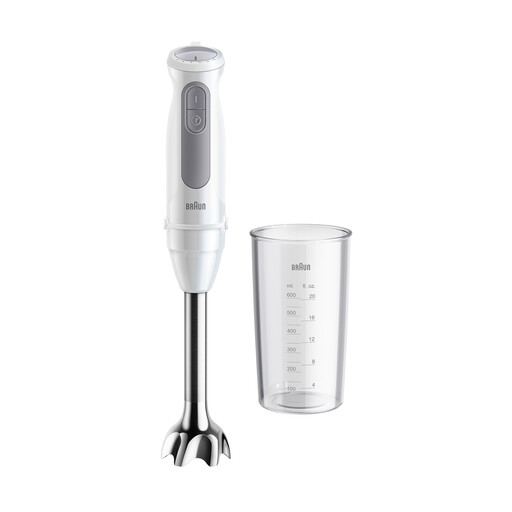 Image unavailable
For anyone who wants to blend small portions and use a measuring beaker.
White finish.
 Image unavailable
For anyone who wants to blend soup and is looking for variable speed control.
800 W; stainless steel finish.
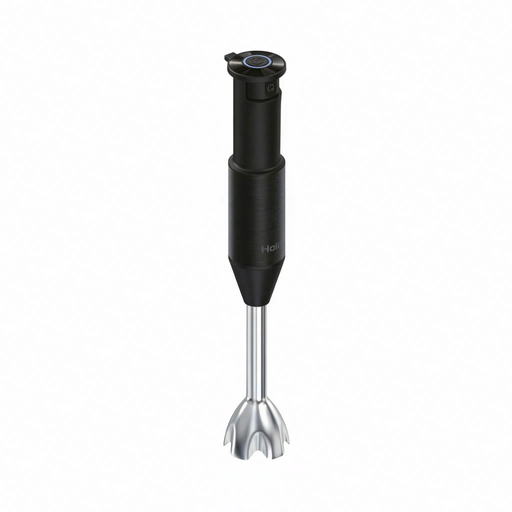 Image unavailable
For preparing soup; the product information mentions detachable parts.
Three blades; 0.9-litre beaker.
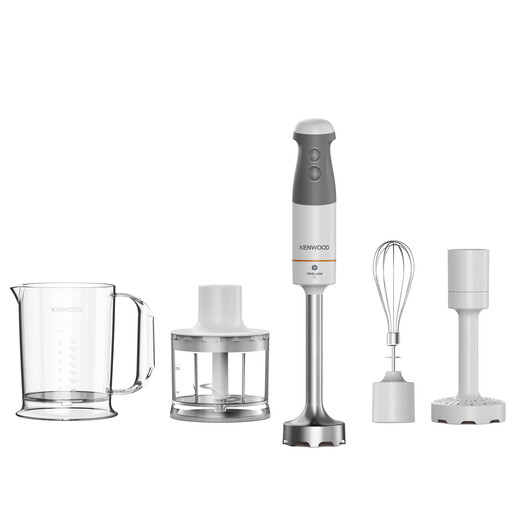 Image unavailable
For blending soup; fully immerse the blending foot before switching on, as stated in the product information.
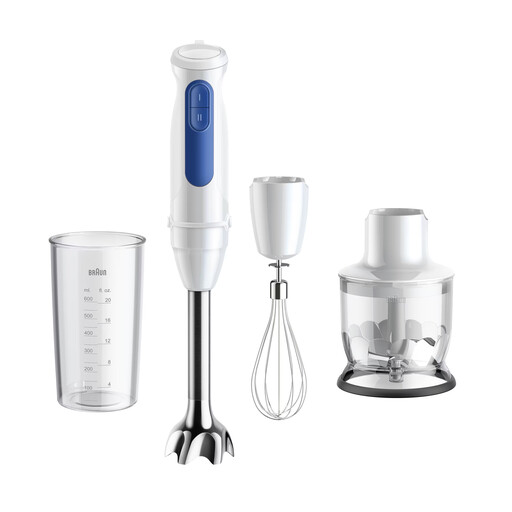 Image unavailable
For soups and anyone who wants to switch between two speeds.
White finish.
No. Don’t assess power in isolation from the results, the pan and the controls. The Consumers’ Association looks at factors such as how finely and evenly hand blenders purée cooked vegetables; a stated wattage isn’t a test result.
Following the Consumers’ Association’s tip, place the foot on the bottom of the pan or bowl first, then switch it on. Philips recommends starting slowly with the HR2657/90; be sure to follow the instructions for the model you choose too.
Don’t assume so. Unplug the hand blender after use, detach the attachments and check the manual to see which individual parts are dishwasher-safe.
According to the Dutch government, you’re entitled to a product that works properly, and the seller must provide a solution if a product is faulty. The Netherlands has no fixed statutory warranty period; a manufacturer’s warranty is in addition to your statutory rights.
No. According to the European Commission, the manufacturer uses the CE mark to declare that the product meets the relevant EU product rules. The mark doesn’t independently assess how smoothly a hand blender purées soup. Check the product and manufacturer details for the version you’re considering.