
Vandaag of morgen in huis

Kwaliteit gegarandeerd

Welkomstaanbiedingen ontgrendelen: GRATIS bezorging | Tot 80% korting | Gratis 30 dagen JoyPlus-proefperiode
Download de app
A hand blender may seem simple at first glance: switch on the motor, add the ingredients and blend. But models vary considerably in power, controls, accessories and ease of cleaning. A budget hand blender may be all you need for soup or sauce, while a family or keen home cook may benefit more from a powerful hand blender with a whisk, chopper and measuring beaker.
The biggest buying mistakes usually come down to three pitfalls:
Read on to find out which features make a practical difference and which models suit different needs.
Power is measured in watts. A 1000-watt hand blender or more will generally have enough motor power for thicker mixtures, firm vegetables and larger quantities. However, wattage isn’t the whole story. Check the maximum continuous operating time in the manual too. Some models, for example, can run for about a minute at a time before they need to cool down.
For smoothies, sauces, baby food and puréed soup, 300 to 650 watts is often enough. If you regularly process nuts, firm ingredients or thick dips, it’s worth looking at a model with around 800 watts or more. According to its product description, the Philips 5000 Series Hand Blender HR2683/00 has a 1200-watt motor and accessories for chopping, whisking and measuring. This makes it versatile, but always check the recommended settings for each ingredient.
A single-speed model is straightforward and suitable for basic recipes. With multiple speeds, you can start slowly with liquids and then increase the speed for thicker mixtures. A turbo setting is useful for a quick extra boost, but it doesn’t replace a good, adjustable speed control.
Also consider whether you can operate it with one hand, as well as the grip and weight. A heavy hand blender can become tiring when you’re blending a large pan of soup. In practice, an ergonomic handle and well-positioned button often make more difference than a long list of marketing terms.
A hand blender with accessories can complement a blender, whisk and small food processor. Common attachments include:
Check whether the parts that come into contact with food are BPA-free and which parts are dishwasher-safe. A dishwasher-safe hand blender doesn’t necessarily mean the motor unit can go in the dishwasher. Keep the motor unit dry and clean it with a damp cloth.
A splash guard can help reduce mess, but always fully immerse the blending foot in the ingredients before starting the motor. When blending hot liquids, follow the temperature limits in the manual to help prevent splashes and burns.
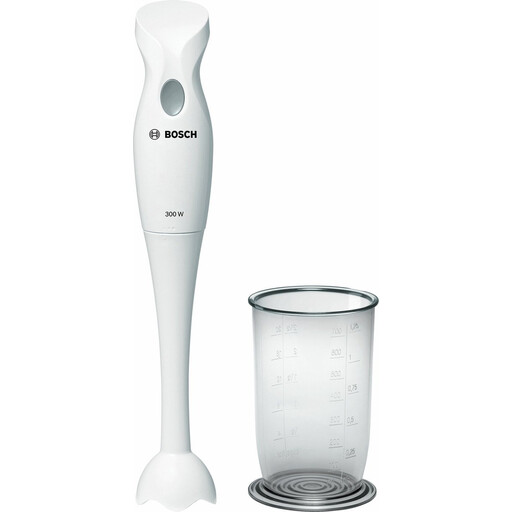
Why it suits this type of user: This model is designed for simple everyday use with soup, sauce and small portions. The included measuring beaker means you won’t need a separate mixing bowl.
The specifications are straightforward: 300 watts, one speed and a measuring beaker. You won’t be paying for accessories you may not use.
According to the product information, the detachable parts are dishwasher-safe. The turbo function and compact size are handy for basic food preparation.
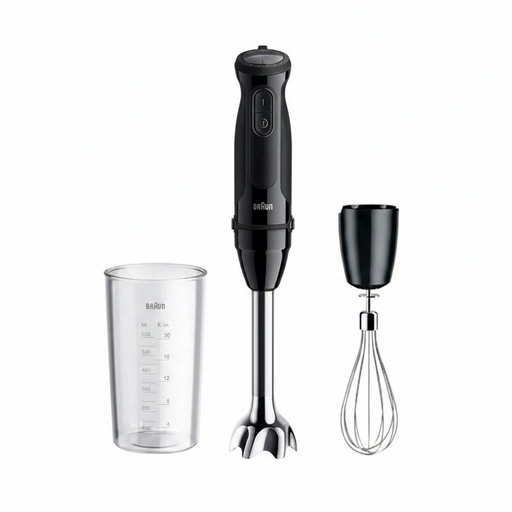
Why it suits this type of user: Ideal for home cooks who want to create different textures and regularly make sauces, smoothies, dips or batter.
The combination of 1000 watts, 21 speeds and a turbo setting gives you more control than a model with just an on/off switch.
The product description lists PowerBell VPlus, a splash guard, a whisk and a chopper. According to the description, the parts that come into contact with food are BPA-free and dishwasher-safe.
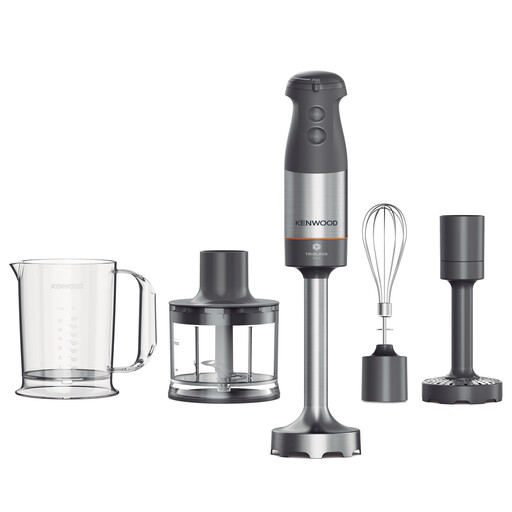
Why it suits this type of user: The longer blending foot is useful for families who make soup in larger pans or prepare bigger quantities at once.
The XL blending foot means you’re less likely to need to transfer ingredients to a smaller bowl part-way through. That saves you extra steps when preparing large portions.
The product information lists 1000 watts, a whisk, measuring beaker, mini chopper and purée attachment. According to the description, the accessories are dishwasher-safe.
We’ve put together a complete, up-to-date list of products that meet these strict selection criteria and the applicable European safety regulations.
No. Lower-powered models can be enough for soup, sauces and soft vegetables. A model with 1000 watts or more is most useful when you’re processing thicker mixtures, firm ingredients or larger portions. As well as wattage, check the recommended operating time and the accessories included.
It depends on the manual. If necessary, let the soup cool first and make sure the pan isn’t too full. Check the maximum temperature, keep the blending foot below the surface and start on a low speed to reduce splashing. Never immerse the motor unit in liquid.
Its lifespan depends on how you use, clean and store it. Don’t run the motor for longer than recommended, remove food residue straight away and take care when handling the sharp blades. A model with replaceable or separately available accessories can be a practical choice if you want to keep using the appliance for a long time. Also check the warranty and your statutory consumer rights when buying in the European Union.
