Choose half a loaf if you regularly eat sandwiches and can freeze any slices you won’t use in time. If you only fancy a crisp slice of toast with a topping now and then, a smaller pack or individually wrapped toast may suit your eating habits better. Toast isn’t automatically a substitute for half a loaf: compare the ingredients, nutritional information and allergens on the pack you’re thinking of buying, too.
Who is this choice for?
Solo sandwich eater
You regularly make sandwiches for breakfast or lunch, but won’t get through a whole loaf quickly. Half a loaf or portions frozen straight away mean you can take out only the slices you need. The Voedingscentrum advises freezing any bread you won’t eat in time, in portions, soon after buying it.
Student with an irregular eating routine
You don’t eat bread every day, but would like toast with a topping now and then. For an opened pack of toast, the Voedingscentrum recommends storing it in a kitchen cupboard for around a month, provided it is kept cool, dry, dark and tightly sealed.
Label-conscious toast buyer
You want to compare the ingredients, fibre and salt, or need to check for specific allergens. Read the ingredients list, nutritional information and allergen declaration for the exact product; a name such as ‘multigrain’ doesn’t tell you everything about what’s in it.
What should you look for when choosing?
Half a loaf
Best for: regular breakfasts or lunches with sandwiches, without having to buy a whole loaf each time.
Bear in mind: if you won’t eat the slices in time, it’s best to freeze them in portions soon after buying, as advised by the Voedingscentrum.
Long-life toast
Best for: the occasional crisp base for a topping, rather than everyday sandwiches.
Bear in mind: an opened pack needs to be kept tightly sealed. Toast also doesn’t automatically have the same ingredients or nutritional value as the bread you might otherwise buy.
| What to consider | What to check before buying | Who should consider this? |
|---|
| Portion size and waste |
Check whether the loaf is half a loaf, how much toast the pack contains and whether it is individually wrapped. |
If I live alone, I don’t want to open more than I can eat. Portion size is the most important factor for around 42% of consumers. |
| Storage and convenience |
Read the storage instructions for toast; if you’re buying bread, consider whether you can freeze any slices you won’t use straight away. |
When my mealtimes vary, I want to have something in the cupboard without needing to eat sandwiches every day. Around 33% of consumers prioritise this convenience. |
| Labelling and allergens |
Compare the ingredients, fibre and salt per 100 g, and read the full allergen declaration. |
If certain ingredients are a deciding factor for me, I want to know exactly what’s in the product I’m buying. This is the top purchasing priority for around 25% of consumers. |
Common mistakes
-
Thinking of toast as a half portion of bread
Half a loaf gives you slices of bread; toast is a dry, crisp base that you’ll generally eat differently. Even a large pack of toast can go uneaten if what you really wanted was bread for sandwiches.
Think about your eating habits: choose bread if you regularly eat sandwiches, and consider toast if you mainly fancy something crisp with a topping now and then.
-
Relying only on ‘wholemeal’ or ‘multigrain’ on the label
The Consumentenbond points out that crackers and similar baked goods labelled wholemeal can still contain white flour. The name alone doesn’t tell you all the ingredients used.
Read the ingredients list and compare fibre and salt per 100 g. If you have an allergy, check the full allergen declaration as well.
-
Leaving an opened pack of toast unsealed
If toast isn’t sealed properly, it can go soft or develop a stale smell and taste.
Seal the pack tightly after use or store the toast in an airtight tin. Keep it cool, dry and dark, in line with the storage advice from the Voedingscentrum.
-
Assuming all bread and toast contains baker’s salt
The Netherlands Food and Consumer Product Safety Authority explains the conditions under which iodine may be added to bread and other baked goods through baker’s salt. This doesn’t tell you which type of salt a particular product contains.
If the use of baker’s salt matters to you, check the ingredients list on the exact pack you’re considering.
Brands and supermarket own-label options to consider
Albert Heijn
According to Albert Heijn, AH Melba Toast Natural is available in a pack containing 12 packs of 6 toast slices.
- The individual packs may suit you if you eat toast on separate occasions.
- Albert Heijn lists wheat, barley and soya in this product. Check the current label on the variety you choose before buying.
Jumbo
Jumbo lists products including Fine Wholemeal – Half Loaf and Van der Meulen Melba Multigrain Toast, 120 g.
- These two product formats make it easy to compare bread for sandwiches with toast.
- The multigrain toast listed by Jumbo contains wheat and sesame, among other ingredients; check the full allergen information for this variety.
Van der Meulen
Van der Meulen makes products including Melba Multigrain Toast; Jumbo lists this variety in a 120 g pack.
- The ingredients list for this variety states that it contains 45% wholemeal wheat flour, giving you a more specific point of comparison than the word ‘multigrain’ alone.
- This ingredient information doesn’t necessarily apply to other Van der Meulen toast varieties.
ALDI / Sun Snacks
ALDI lists Sun Snacks Melba Toast Natural, 240 g, and Extra High-Fibre Wholemeal Bread, Half Loaf.
- You can compare a half loaf with a pack of toast when deciding how much you need.
- For the toast, check the ingredients and nutritional information on the pack in store.
Lidl
Lidl lists a 240 g pack of Melba toast and a Half Loaf of Extra Wholemeal Bread.
- These products illustrate the choice between toast and fresh bread for sandwiches.
- Lidl states that its Melba toast is only available in store. Check the label there if the ingredients or nutritional information are important to your choice.
Toast products on Joybuy
These products suit anyone looking for a smaller amount of toast for occasional eating. If you’re looking for bread for regular breakfasts or lunches, consider half a loaf and whether you can freeze the slices.
 Image unavailable
Van Der Meulen Rice Toast Natural, 65 g
A 65 g pack of rice toast for anyone who fancies toast now and then. If you have an allergy, check the exact pack: the available product information about sesame and soya is contradictory.
View on Joybuy
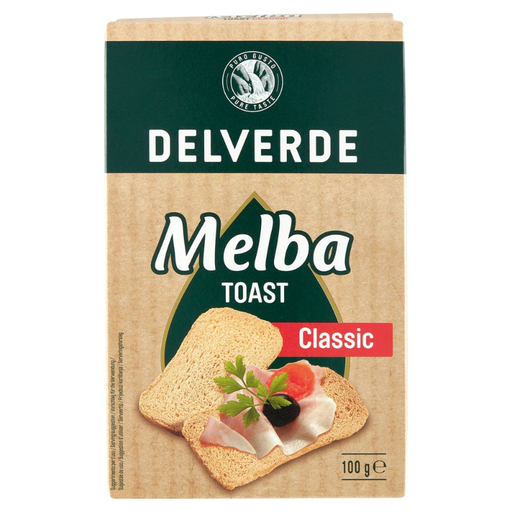 Image unavailable
Delverde Classic Melba Toast, 100 g
A 100 g pack of Melba toast for smaller snacks with a topping. Check the ingredients and allergens on the pack, especially if you need to avoid wheat, barley, sesame, soya or mustard.
View on Joybuy
Frequently asked questions
Can toast replace half a loaf when I move into student accommodation?
Only if toast is what you want to eat. Half a loaf is for making sandwiches regularly; toast is better suited to the occasional crisp snack. If you can’t get through bread in time, the Voedingscentrum advises freezing it in portions soon after buying.
How should I store an opened pack of toast?
Store opened toast somewhere cool, dry and dark, and keep it tightly sealed. The Voedingscentrum recommends keeping an opened pack in a kitchen cupboard for around a month; an airtight pack helps stop the toast from going soft.
Are all the grains in multigrain toast wholemeal?
No. The name ‘multigrain’ doesn’t tell you whether all the grains used are wholemeal. Read the ingredients list for the exact product; the Consumentenbond points out that crackers and similar products labelled wholemeal can still contain white flour.
Does all bread or toast in the Netherlands contain iodine from baker’s salt?
You can’t tell from the product category alone. The Netherlands Food and Consumer Product Safety Authority describes iodine from baker’s salt as an approved option for bread and other baked goods, not proof that every product contains it. If this matters to your choice, check the ingredients list on the specific pack.


