What should you look for when choosing?
For a sweet breakfast in a small household, first decide whether you want soft sandwiches or something crunchy. If you choose bread, pick a quantity you’ll use up, then compare the type of bread. The needs below show what different shoppers may want to prioritise.
| What to consider |
What to check when buying |
Who is this important to? |
| Portion size and waste |
Check that it really is half a loaf and how many slices you usually use. See if you can freeze the rest in portions straight away. |
If I don’t eat bread every day on my own or as a couple, I want to avoid leaving opened slices uneaten. Portion size is the top priority for around 42% of consumers. |
| Bread to go with sweet toppings |
Look for the wholemeal label and compare the fibre per 100 g in the products you’re considering. Check the nutritional information for the topping too. |
With sweet toppings, I want to know what bread I’m choosing to go underneath them, rather than judging by colour alone. Around 33% of consumers give this choice of bread the highest priority. |
| Crunchy texture |
Distinguish between rusks, melba toast and half a loaf. Check the packaging and, if you have an allergy, read the latest label. |
I’d rather have something crunchy for one meal than a soft sandwich. This texture is the most important factor for around 25% of consumers. |
Joybuy products for this breakfast
These products include crunchy alternatives and individually portioned rye bread. They aren’t a selection of half loaves, so choose a half loaf separately if that pack size is what matters most to you.
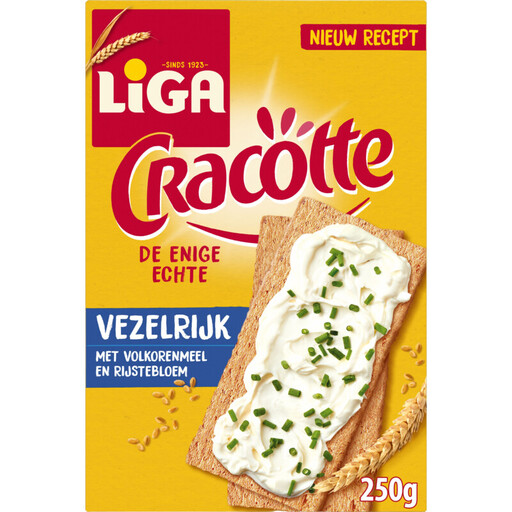 Image unavailable
Liga Cracotte High Fiber, 250 g
A crunchy option if you don’t want a soft sandwich; the pack contains 250 g and isn’t half a loaf.
The allergen information for this product is contradictory. If you have an allergy, check the latest label before use.
View at Joybuy
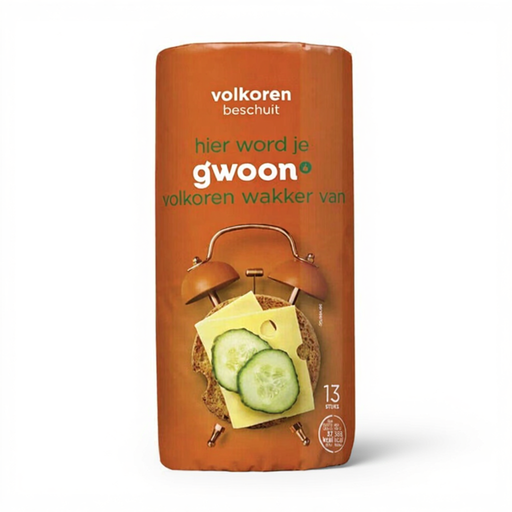 Image unavailable
g'woon wholemeal crispbreads, 125 g
These crunchy crispbreads are a good fit if you want one piece at a time; the pack contains 125 g and isn’t half a loaf.
If you have an allergy, check the latest ingredients and allergen information on the packaging.
View at Joybuy
 Image unavailable
Bolletje dark wholemeal rusks, 10 pieces
These rusks make a crunchy breakfast option and come in a pack of 10; they aren’t half a loaf.
Check the label if you need to check the ingredients or allergens before choosing.
View at Joybuy
 Image unavailable
Bolletje wholemeal rusks, 13 pieces
If you’d rather have rusks than sandwiches, this pack gives you 13 pieces; it isn’t half a loaf.
If you have an allergy, check the latest packaging, even if you’ve bought a different Bolletje variety before.
View at Joybuy
 Image unavailable
TastyBasics rye bread, 9 pieces
This rye bread comes in a pack of 9 pieces, but that doesn’t make it half a loaf.
Decide for yourself whether this type of bread goes with your topping, and if you have an allergy, check the latest label.
View at Joybuy
Frequently asked questions
Will buying half a loaf stop me throwing bread away?
Not necessarily: half a loaf only helps if you use it up before it goes stale. If you won’t get through even half a loaf quickly, the Netherlands Nutrition Centre recommends freezing the bread in portions as soon as you buy it.
Can I choose wholemeal bread with sweet toppings?
Yes, wholemeal bread can be the base for a sweet breakfast. According to the Netherlands Nutrition Centre, wholemeal grain products contain more fibre than white varieties. Also check the nutritional information for the topping, as its ingredients vary from product to product.
Does bread always contain baker’s salt with iodine?
No, don’t assume that every loaf does. The Netherlands Food and Consumer Product Safety Authority explains that iodine compounds may be present in bread, bread substitutes and other bakery products only through the addition of baker’s salt. Check the ingredients list for the specific product.
What should I check if I have an allergy before buying bread or rusks?
Read the ingredients and allergen information on the current packaging for the exact variety. The Netherlands Food and Consumer Product Safety Authority says allergens must be clearly listed on the label, so don’t rely solely on the product name or packaging you’ve bought before.


