
Vandaag of morgen in huis

Kwaliteit gegarandeerd

Welkomstaanbiedingen ontgrendelen: GRATIS bezorging | Tot 80% korting | Gratis 30 dagen JoyPlus-proefperiode
Download de app
A quick bowl of noodles is handy for students, families, busy workdays and stocking the cupboard. However, not every pack sold as Asian instant noodles will suit your needs. With halal instant noodles in particular, there are a few points you should check before buying.
A striking flavour name or a large box doesn’t tell you everything. Always check the label, the allergens and the amount per serving. That way, you can avoid buying a multipack where the flavour disappoints, the packaging is awkwardly large, or the halal status isn’t clear enough.
Words like chicken, beef or “Asian style” don’t automatically describe the origin of the flavourings or ingredients. Look for a halal logo, halal certification or a clear product statement on the packaging. If in doubt, it’s wise to check the current ingredients list and product photo.
This is especially relevant for chicken noodles and beef noodles. A product may contain artificial chicken or beef flavouring, but the composition and certification vary from one variant to another.
A box of 40 sachets may seem good value, but you should also compare the weight per sachet and the total quantity. A serving of 70g is not the same as a serving of 96g or 168g. For a snack, 70g may be enough; for a meal, a larger portion can be more practical.
Also note the difference between sachets and cups. A cup is convenient at the office or on the go, but it takes up more space in your cupboard and can work out more expensive per serving.
Spicy instant noodles can contain chilli oil, chilli powder and various seasonings. That gives a powerful profile, but not everyone wants the same intensity. Vegetable noodles are not automatically rich in vegetables either: dehydrated spring onion, carrot or cabbage may only be present in small amounts.
Also read the allergens. Many products contain wheat/gluten and soya. Some variants also contain sesame, celery, egg or shellfish.
Where possible, choose a product whose halal status is clearly stated on the product page or packaging. The Baixiang halal range and various Yang Zhanggui products are offered as halal food. Always check the label on receipt, because the packaging information is what counts.
The product description may also mention a country of origin. Chinese instant noodles and Indonesian instant noodles often have a different flavour profile, even when both have a chicken or beef flavour.
Most dry noodles only need boiling water and are ready in about three to five minutes. Some stir-fry variants need to be boiled first and then drained. With a product like Mi Goreng noodles, the noodles are eaten without soup, with oil, sweet soy sauce and chilli.
Check:
Instant noodles often contain relatively high levels of salt per 100g. In the product data for various variants, this is around 4 to 7g of salt per 100g. So don’t automatically use all the seasoning sachets if you want a milder or less salty bowl.
Also compare the nutritional values per 100g and not just per pack. A larger portion can therefore provide significantly more energy, fat or salt. This isn’t a judgement on flavour, but it is useful information for making an informed purchase.
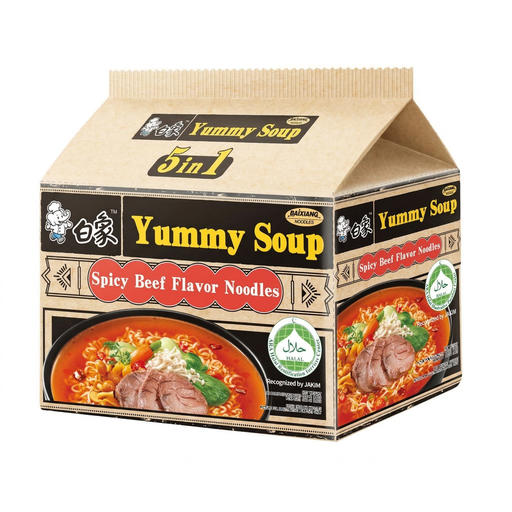
Why this fits the profile: A neat five-pack with beef flavour is ideal for trying halal instant noodles first without ordering a large box straight away.
The product description mentions halal and lists allergens such as wheat and soya. The 5 × 96g format makes the total quantity clear.
Spicy beef flavour, five individual portions and preparation with boiling water in around three to four minutes.
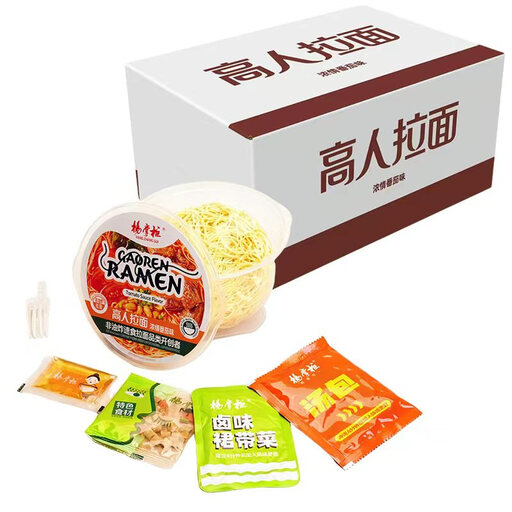
Why this fits the profile: The larger portion and multiple individual sachets suit anyone looking for a more substantial pack with various toppings and sauce components.
The product information mentions non-fried noodles, a 168g serving and separate sachets for sauce, oil and vegetables.
Tomato flavour, non-fried noodles and a complete set with vegetables and wakame. Preparation takes four to six minutes according to the product information.
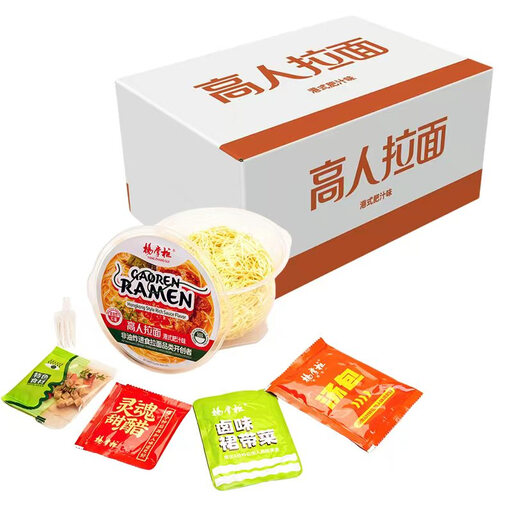
Why this fits the profile: Twelve cups are convenient for families, shared supplies, student houses or small catering businesses where multiple portions are needed quickly.
The packaging unit is clear: 12 cups of 180g each. The product description mentions halal food and lists wheat, soya and sesame as allergens.
Hong Kong-style broth, multiple flavour sachets and a preparation time of four to six minutes. The cups are ideal when you don’t need a bowl.
We’ve put together a full, up-to-date list of products that fully meet these strict selection criteria and comply with current European safety regulations.
Not every Indomie variant has the same halal declaration in the available product information. Some products are explicitly offered as halal-certified, while other product pages only list ingredients and allergens. Always check the packaging and the halal logo of the specific variant. This also applies to Mi Goreng noodles, chicken noodles and vegetable noodles.
Follow the best-before date on the outer packaging and the individual sachets. Store the noodles in a cool, dry place away from direct sunlight. Do not use a pack if a sachet is damaged, swollen or leaking. Once opened, prepare the product immediately according to the instructions.
First, use only part of the chilli oil or seasoning powder, then add more to taste. You can top up the bowl with fresh vegetables, egg or another permitted addition, as long as you keep the allergens and your halal requirements in mind. With stir-fry variants, the amount of sauce mainly determines the intensity.
