
Vandaag of morgen in huis

Kwaliteit gegarandeerd

Welkomstaanbiedingen ontgrendelen: GRATIS bezorging | Tot 80% korting | Gratis 30 dagen JoyPlus-proefperiode
Download de app
Dry ends, frizzy hair and a dull appearance are common reasons to buy hair oil. However, not every oil suits every hair type. A heavy product can leave fine hair limp, while a leave-in hair oil that is too lightweight may do little for very dry or porous hair.
Marketing does not always make the choice easier. Terms such as “repairing”, “bond repair” and “heat protection” sound appealing, but they only tell you something when you also look at the usage instructions and ingredients. This guide helps you compare hair oils based on practical features, so you can make a more informed choice.
Hair oil is concentrated. Two or three pumps may be suitable for long or thick hair, but fine hair often needs only a small amount. Too much oil sits on the hair and can make it look greasy or weighed down. So start with one drop or one pump, and only add more if needed.
Some products are described as hair oils with heat protection. Check whether this is explicitly stated in the product information and what type of use the protection is intended for. An oil is not automatically a replacement for a specialist heat-protection spray. According to the brand’s product information, for example, the Peptide 132 Hair Bonding Oil is intended as the final step before styling, but is not a replacement for a specialist spray for very high temperatures.
A repairing hair oil can make hair feel smoother, reduce frizz and improve the visible appearance of dry ends. That does not mean split ends are permanently repaired. Therefore, look for specific features such as leave-in use, texture, ingredients, heat protection and the recommended amount.
Choose a lightweight formula if you have fine or straight hair, or hair that becomes greasy quickly. A spray, serum or dry oil may be more practical in this case. For thick, curly, porous or very dry hair, a richer, nourishing hair oil may be a better fit.
Apply most hair oils to the lengths and ends. Avoid the roots if your hair becomes weighed down easily. If a product is also described as suitable for the scalp, such as Weleda Rosemary Nourishing Hair Oil, use it according to the label and test it on a small area first.
Argan oil, coconut oil, jojoba oil, plant oils, silicones and vitamin E are often found in haircare products. Silicones can make hair feel smooth and help reduce friction, but on their own they say nothing about a permanent repairing effect.
If you have sensitive skin or a sensitive scalp, check the full ingredients list. Fragrances such as parfum, limonene or linalool may be less suitable for some users. Use hair oil externally only, avoid contact with the eyes and stop using it if irritation occurs.
A 30 ml bottle is compact and convenient for occasional use. A 95 to 118 ml bottle may offer better value if you use oil every day. Do not just look at the volume; also consider the amount needed per application.
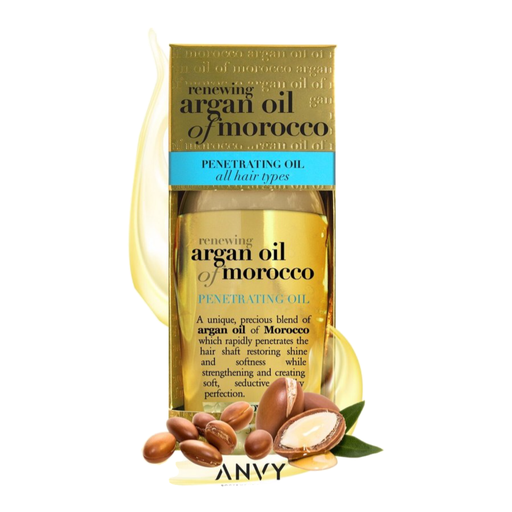
Why it suits this profile: The 100 ml bottle and simple application to towel-dried hair make this an approachable choice for anyone using hair oil for the first time.
The usage instructions emphasise using a small amount and applying it from the lengths to the ends. This helps prevent over-application.
According to the product description, the oil contains Moroccan argan oil and is mentioned for dry hair, frizz, hydration and heat styling.
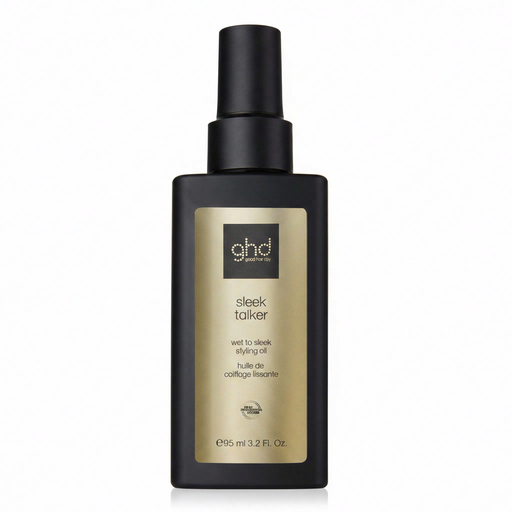
Why it suits this profile: This styling product is designed to smooth, detangle and style hair. It is well suited to people who regularly blow-dry or straighten their hair.
The instructions give separate amounts for towel-dried and dry hair. This allows you to adjust the quantity depending on when you use it.
The product information mentions argan oil, heat protection, a lightweight-feeling layer and a 95 ml size.
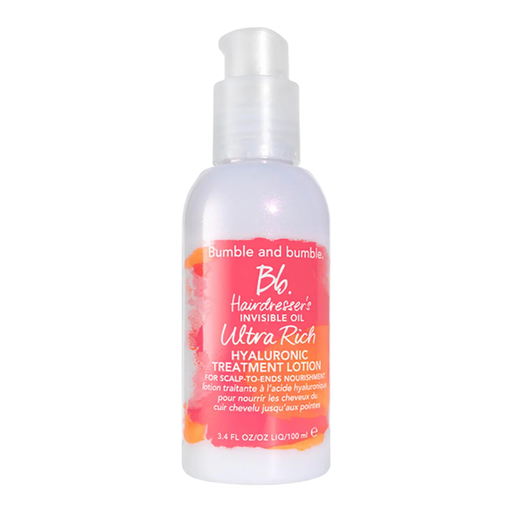
Why it suits this profile: According to the product information, the leave-in formula is intended for dry to very dry hair and can be used on damp or dry hair.
The description specifies use as a leave-in product, including detangling and heat protection. This makes the application clearer than a general shine claim.
The product information states that it contains six oils, helps detangle hair and provides heat protection up to 232 °C. Check the label for the latest usage instructions.
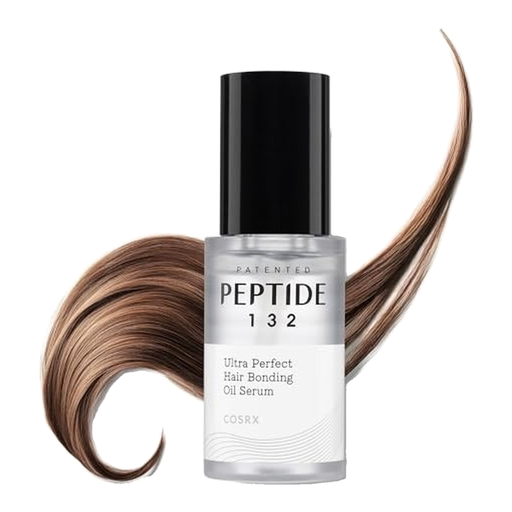
Why it suits this profile: The lightweight serum texture and compact size are ideal if you are looking for a hair oil for shine and frizz control without wanting to use a rich product.
The instructions recommend one to three pumps and emphasise adjusting the amount to your hair length and porosity. The description also warns that it is not a replacement for specialist high-temperature protection.
According to the ingredients list, the formula contains argan, jojoba, olive, rice bran, grapeseed and macadamia oils, as well as a peptide.
We have compiled a complete, up-to-date list of products that fully meet these strict selection criteria and the applicable European safety regulations.
Hair oil for frizzy hair mainly works as a smoothing treatment on the hair's surface. For long-lasting care, you may also need a suitable shampoo, conditioner or hair mask. Introduce products gradually so you can see which one actually suits your hair.
Yes, hair oil for dry hair can help the lengths and ends feel smoother and softer. Choose a lightweight formula for fine hair and consider using a richer oil for thick or very dry hair. Apply the product mainly to the ends and follow the dosage instructions on the packaging.
Yes, as long as you use a small amount and your hair does not become weighed down or greasy. A lightweight leave-in hair oil or hair serum is often more practical for daily use. Wash your hair as part of your normal routine and adjust the amount to your hair length and texture.
Check the packaging for the expiry date or period after opening. Keep the bottle tightly closed in a dry place away from direct sunlight. If the smell, colour or texture changes significantly, stop using the product. Check the specific warnings and usage instructions on the label for every product.
