
Vandaag of morgen in huis

Kwaliteit gegarandeerd

Welkomstaanbiedingen ontgrendelen: GRATIS bezorging | Tot 80% korting | Gratis 30 dagen JoyPlus-proefperiode
Download de app
Buying a conditioner for your hair sounds simple, until you have to choose between a moisturising conditioner, a repairing conditioner, an anti-frizz conditioner or a leave-in conditioner. Marketing copy often promises shine, repair and long-lasting protection, but not every formula is right for your hair.
As a Joybuy Product Recommendation Officer, I focus primarily on verifiable details: hair type, volume, how to use it, ingredients and formula. This helps you avoid overpaying for a product that weighs your hair down or does not fit your daily routine.
Glycolic acid, keratin, oils, proteins and hyaluronic acid may sound appealing. However, one ingredient does not tell you everything about how a conditioner performs. The overall formula determines how the product feels, how easily it rinses out and whether it is suitable for fine, dry or coloured hair.
Always check the full product description and the current ingredients list on the packaging. Brands can change their formulas. L’Oréal, for example, explicitly states that ingredients lists are updated regularly.
You apply a regular conditioner to wet hair after washing it and then rinse it out. A leave-in conditioner stays in your hair. If you use a rinse-out product as a leave-in, your hair may feel heavy, sticky or greasy.
Look for terms such as leave-in hair cream, rinse-out conditioner or deep conditioner. The instructions are more important than just the name on the front of the packaging.
A 200 ml bottle and a 440 ml pack may look similar at first glance, but they differ considerably in how long they will last and in their price per millilitre. A multipack can offer good value if you use the same product regularly, but it is less practical if you want to try a formula first.
Therefore, compare:
For dry hair, choose a formula containing nourishing and moisture-binding ingredients, such as glycerine, aloe vera, oils or certain conditioning agents such as cetearyl alcohol. A conditioner for dry hair can leave your hair feeling smoother and make it easier to detangle.
An anti-frizz conditioner or smoothing formula can be useful for frizzy hair. Bear in mind that the result depends on humidity, styling, hair thickness and porosity.
For damaged hair, products containing proteins, keratin or bond-building technology are popular choices. However, check how the brand describes the product’s performance. According to Syoss’s own research, the Intense Keratin formula can make hair up to 20 times more resilient than untreated hair. This is a brand claim and not a universal guarantee for every user.
A conditioner for damaged hair can be a good choice for hair that is frequently blow-dried, dyed or bleached. Use a rich formula mainly on the lengths and ends to avoid unnecessarily weighing down the roots.
Curls often need flexibility, definition and frizz control. A conditioner for curly hair or a leave-in conditioner can help make hair easier to section and style. Pay attention to the texture: a lightweight cream is often better suited to fine curls, while a richer formula may be suitable for thick or dry curls.
Andrélon Perfect Curl claims up to 72 hours of frizz control, according to the product description. This result depends on the conditions of use and should be viewed as a claim made by the brand.
Fine hair can quickly feel limp. Choose a lightweight formula and apply conditioner mainly from the mid-lengths downwards. A product containing a large amount of oils or heavy silicones is not automatically unsuitable, but it may make fine hair feel weighed down more quickly.
A conditioner for shiny hair generally focuses on smoothing and detangling the hair fibres. The 200 ml L’Oréal Elvive Glycolic Gloss Conditioner is intended for dull and porous hair, according to the product description. The formula contains glycolic acid and is described as lightweight, moisturising and non-weighting. The stated doubling of shine is a claim from L’Oréal’s product communications.
A repairing conditioner does not always need to be used every day. For fine hair, alternating it with a lighter hair conditioner may be more practical. For dry or heavily treated hair, a richer treatment may fit into your routine more frequently.
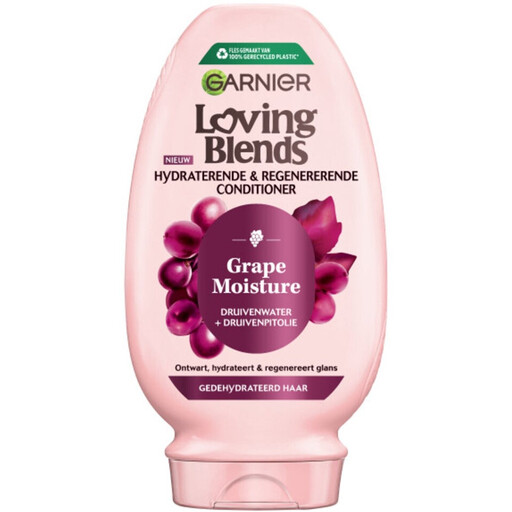
Why it suits this profile: The 250 ml volume is manageable for anyone wanting to try an everyday conditioner without immediately buying a large multipack. According to the product description, the formula is lightweight and suitable for daily use.
The product information highlights a lightweight formula and clearly displays the volume. This allows you to assess its suitability and quantity more effectively than relying on a shine claim alone.
250 ml; according to the product description, intended to moisturise, soften and make combing easier.
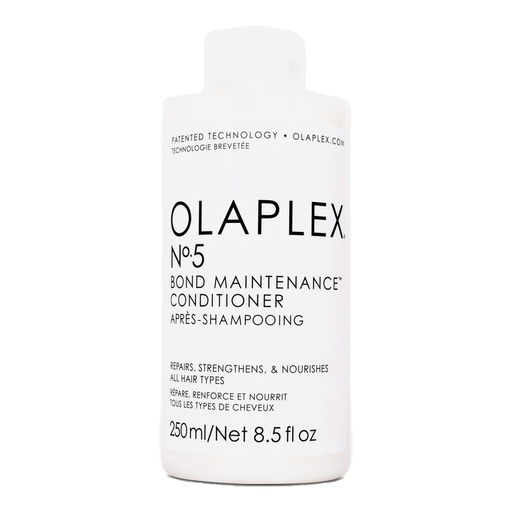
Why it suits this profile: This conditioner has a clearly stated volume of 250 ml and is linked in the product details to moisturising and caring for all hair types, including bleached and coloured hair.
The product details list ingredients, warnings, directions and features such as vegan, paraben-free and sulphate-free. Always check the packaging for the current formulation.
250 ml; according to the product details, suitable for all hair types, including bleached and coloured hair.
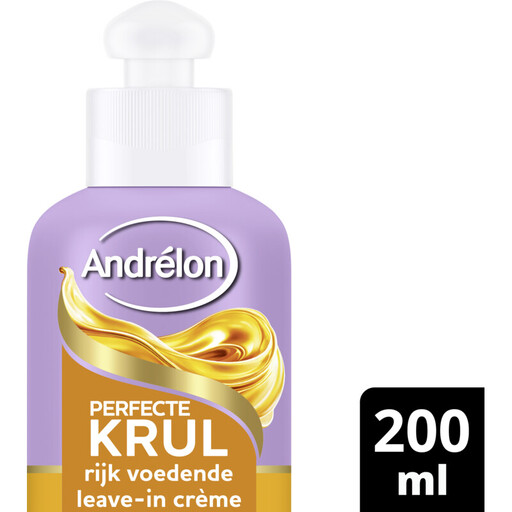
Why it suits this profile: This leave-in cream is intended for curly hair and, according to the directions, does not need to be rinsed out. It is suitable for users who want to refresh their curls every day, whether their hair is dry or damp.
The product type is clearly identified as a leave-in hair cream. The silicone-free formula and application to the lengths help you make an informed choice for a lightweight curly-hair routine.
200 ml; silicone-free leave-in formula; according to the product description, enriched with coconut milk and protein.
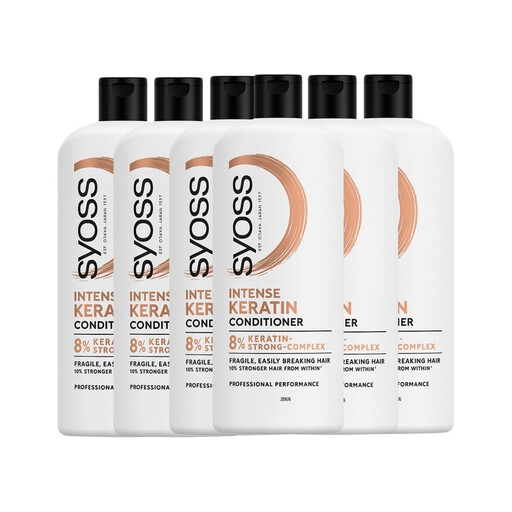
Why it suits this profile: The pack contains six 440 ml bottles. This is practical when several people use the same conditioner or when you have an established haircare routine.
The total volume and number of items are clearly stated. This allows you to compare the price per bottle or per millilitre instead of looking only at the promotional price.
6 x 440 ml; keratin variant; according to the product details, intended for damaged hair and all hair types.
We have put together a complete, up-to-date list of products that fully meet these strict selection criteria and the applicable European safety regulations.
It depends on your hair type and the formula. According to the product description, a lightweight hair conditioner may be suitable for daily use. For fine hair, every other wash may be sufficient, while dry or damaged hair may need conditioning more often. Apply the product mainly to the lengths and ends.
Check the shelf-life information on the packaging. Some products state a period after opening, such as 6M or 12M. Keep conditioner closed, cool and out of direct sunlight. If the smell, colour or texture changes noticeably, stop using the product.
A conditioner is generally designed for regular use and mainly helps with detangling, smoothness and care. A hair mask or deep conditioner often has a richer texture and requires a longer leave-in time. A lighter conditioner is usually more suitable for everyday use, while dry or damaged hair may benefit from an additional intensive treatment from time to time.
