
Vandaag of morgen in huis

Kwaliteit gegarandeerd

Welkomstaanbiedingen ontgrendelen: GRATIS bezorging | Tot 80% korting | Gratis 30 dagen JoyPlus-proefperiode
Download de app
Choosing a hair conditioner seems simple: pick up a bottle labelled “hydrating”, “repairing” or “anti-frizz”. Yet many products are not well suited to your hair or scalp. A conditioner that is too rich can leave fine hair limp, while a lightweight formula may not provide enough care for dry or damaged hair.
The right choice therefore starts not with the marketing copy, but with your hair type, intended use, ingredients list and product size.
Terms such as “repair”, “growth” and “less hair loss” sound clear, but cosmetic products can have different effects. For example, a conditioner may make your hair feel smoother or make it easier to comb through. That does not automatically mean that damaged hair has been structurally repaired.
So check whether a claim comes from the brand. For example, if a product is said to visibly reduce hair loss, phrase this as: according to the brand’s own research, under the stated conditions of use. Also consider the product type: a regular conditioner, hair treatment and scalp serum are not intended for the same use.
Conditioner is usually intended for the mid-lengths and ends. Applying a rich conditioner for dry hair generously to the scalp can make your hair look greasy more quickly. A scalp-care product has different usage instructions and may contain active ingredients.
If you have a dry, sensitive or flaky scalp, it is important to follow the instructions on the packaging. Persistent itching, redness or flaking may have a medical cause. A cosmetic anti-dandruff conditioner is not a substitute for an assessment by a doctor or pharmacist.
A sulphate-free conditioner, vegan conditioner or silicone-free formula may suit your personal preferences. However, “free from” does not tell you whether the product is suitable for your hair. Also consider conditioning ingredients, fragrances, the recommended application time and how much product you need to use.
Always check the current ingredients list on the packaging. Manufacturers may change their formulas.
A classic conditioner is applied to the mid-lengths and ends after washing, then rinsed out. A scalp balm or scalp treatment, on the other hand, may be applied to the scalp. A leave-in serum is not rinsed out and therefore requires a different amount.
The product size is also relevant. A 200 ml tube is convenient for trying a product first; a 1000 g pack may be more economical with intensive use, but takes up more space and is less convenient for travelling.
Cetearyl alcohol, behentrimonium chloride and similar conditioning ingredients often help to create a smooth feel and make hair easier to comb through. Oils such as coconut, argan or jojoba oil can provide additional nourishment, but they are not suitable for everyone. Fragrance and fragrance allergens, such as linalool or coumarin, are important to check if you are prone to sensitivity.
A sulphate-free conditioner does not automatically mean that it contains no silicones. Conversely, the presence of a silicone-like ingredient does not mean that a product is unsuitable. Consider the complete formula and how your hair responds to it.
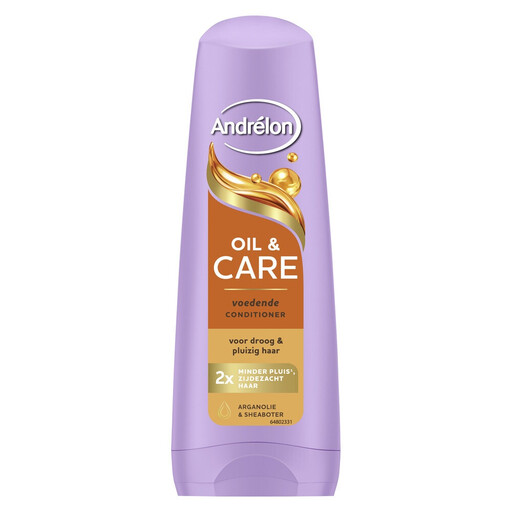
Why it suits this profile: A manageable 200 ml pack for anyone who wants to try a conditioner for dry and frizzy hair first.
The product description specifically mentions dry hair, argan oil, shea butter and a 200 ml size, rather than making only a general conditioning claim.
Argan oil and shea butter; intended for dry hair; vegan according to the stated product specifications.
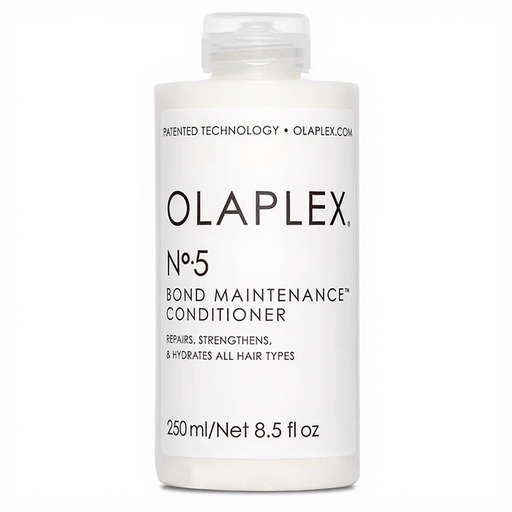
Why it suits this profile: An option for adults with coloured, treated or damaged hair who want a more comprehensive hair-care routine.
The formula and instructions are clearly stated: apply to the mid-lengths and ends, leave for five minutes, then rinse.
250 ml; suitable for all hair types according to the product information; stated to be free from silicones, sulphates and phthalates.
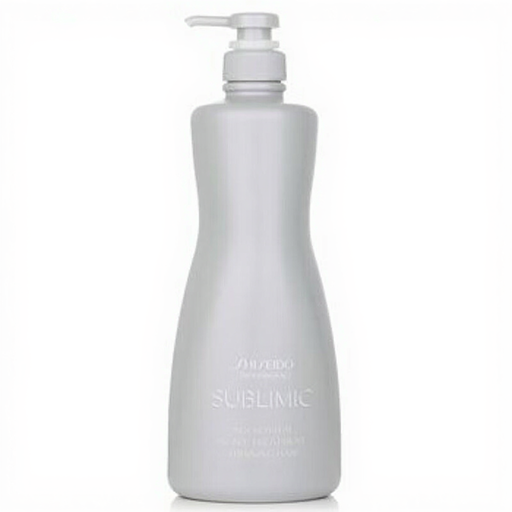
Why it suits this profile: Designed for users looking for a large pack for an established scalp and hair-care routine.
The packaging states 1000 g and specifies use on the scalp and hair. This clearly distinguishes it from a regular conditioner.
1000 g size; intended for thinning hair according to the product specifications; contains ingredients including adenosine and ginseng root extract.
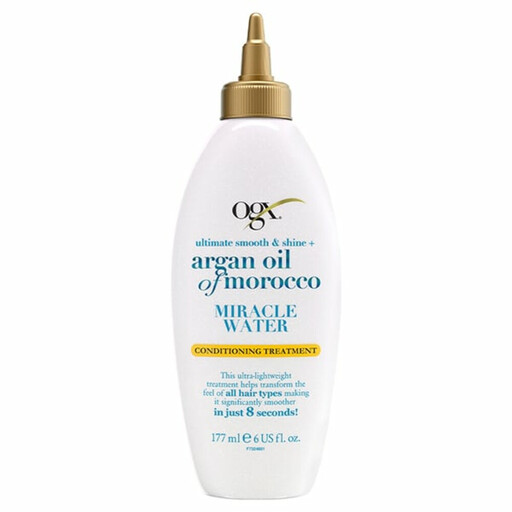
Why it suits this profile: A lightweight treatment for anyone short on time who does not want their hair to feel weighed down.
The instructions specify a short application time of eight seconds and application from the mid-lengths downwards, making it easier to avoid using too much.
177 ml; argan oil in the formula; according to the description, suitable for all hair types and intended as a lightweight treatment.
We have compiled a complete, up-to-date list of products that fully meet these strict selection criteria and the applicable European safety regulations.
For dry, curly or damaged hair, using conditioner after every wash can be beneficial. For fine hair, a small amount may sometimes be enough, possibly just on the ends. Focus mainly on the result: limp or quickly greasy hair often indicates that you are using too much product or a formula that is too rich.
The shelf life is stated on the packaging, for example as a use-by date or as a period after opening. Store the packaging in a cool, dry place, close the cap securely and do not use a product if its smell, colour or texture has clearly changed.
Not every conditioner is designed for this purpose. Check the fragrance, fragrance allergens and active ingredients. A scalp-care product may be a better choice, but stop using it if irritation occurs. If symptoms persist, seeking advice from a healthcare professional is wiser than continually switching hair products.
