
Vandaag of morgen in huis

Kwaliteit gegarandeerd

Welkomstaanbiedingen ontgrendelen: GRATIS bezorging | Tot 80% korting | Gratis 30 dagen JoyPlus-proefperiode
Download de app
Drying, styling or removing hair at home can be practical, but the wide range of products makes comparisons difficult. A low price says little about ease of use, while a long list of features does not automatically mean a product suits your routine. When it comes to hair care and hair removal, three pitfalls are particularly important: exaggerated performance claims, missing compatibility information and accessories that add little in practice.
Terms such as “long-lasting smoothness”, “less frizz” or “faster drying” sound appealing. Always check how a brand supports the claim and under which conditions the result applies. According to Philips’ own research, the Lumea IPL Advanced 7000 Series achieves at least 85% hair reduction after three treatments. This is a brand claim based on independent research, not a guarantee for every user.
With a hairdryer, hairdryer brush or airstyler, the result also depends on hair thickness, hair length, humidity and the temperature selected. Treat ionic technology as a product specification, rather than a promise that frizz will disappear completely.
An IPL hair removal device does not work for every combination of skin tone and hair colour. According to the product information, Philips Lumea models are not suitable for very dark skin and do not deliver suitable results with white, grey, light blonde or red hair, among other colours. Before buying, read the skin tone chart and safety instructions.
Do not use IPL on tattoos, moles, dark spots, irritated skin or recently tanned skin. If you are pregnant, breastfeeding or have certain medical conditions, consult the manual and you may need to avoid using the device. This is not a minor detail, but a condition for responsible use.
A 1600-watt hairdryer is not automatically suitable for every hair type. Also consider the temperature settings, fan speeds, cable length, weight and whether it has a cool-shot function. With an airstyler, the brush diameter and attachment type determine which styles you can create.
With an epilator, 40 tweezers or a wide head tell you something about the construction, but not about your comfort. A wet-and-dry function, flexible head and good grip may be more important in the bathroom than an extra accessory you rarely use.
When choosing a hairdryer or blow-dryer, pay attention to these points:
A microfibre hair towel can absorb a great deal of moisture before you start blow-drying. The YIJINCHAN hair towel is made from a polyester-polyamide microfibre blend and has a fastening with elastic and a button or loop. The stated reduction in drying time is a product claim; the actual effect varies depending on hair length and the amount of water.
A hair straightener requires control over the temperature and good contact with the hair. The Revlon Perfect Heat Pro RVST2415PKE has 25-millimetre ceramic-coated plates, flexible plates and a 1.8-metre cable. The product specification states a temperature range of 30 to 80 °C and no automatic shut-off. Always check that you have actually switched the device off after use.
An airstyler is more versatile, but requires more technique. The Philips 7000 Series BHA710/00 operates at 1000 watts, features ionic technology and comes with different 30- and 50-millimetre brushes. Do not direct hot air at one spot for too long and do not touch the hot attachments.
Do not compare an epilator and IPL as though they do the same thing:
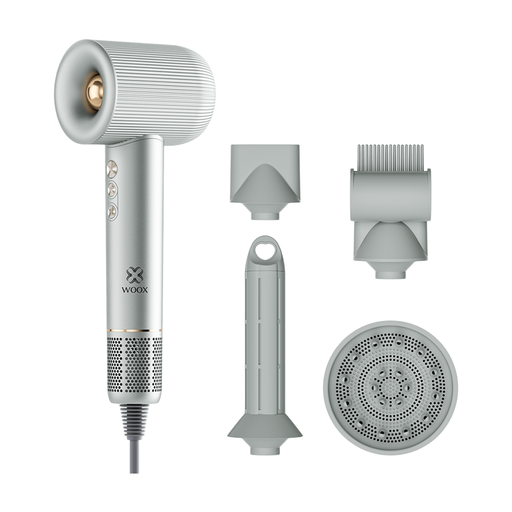
Why it suits this profile: A straightforward hairdryer for use at home or while travelling, with 1600 watts, three speeds and three temperature settings.
The settings are clearly specified, so you do not have to rely on wattage alone.
1600 watts, three fan speeds, three temperature settings and a magnetic attachment.
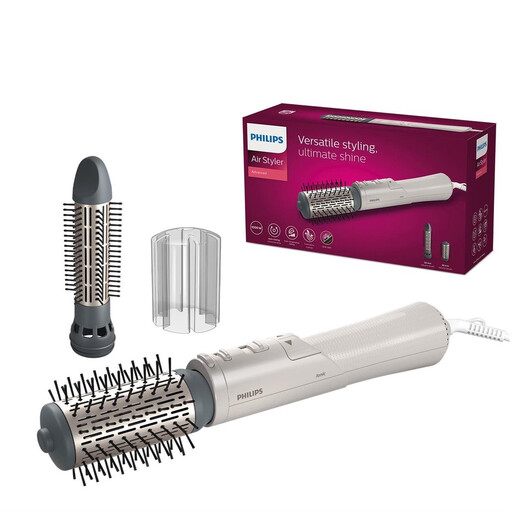
Why it suits this profile: Ideal for anyone who wants to combine drying, volume, waves and a smooth finish in one device.
The different brushes and temperature information make it clear what you can use the device for.
1000 watts, ionic technology, ceramic elements and 30- and 50-millimetre brushes.
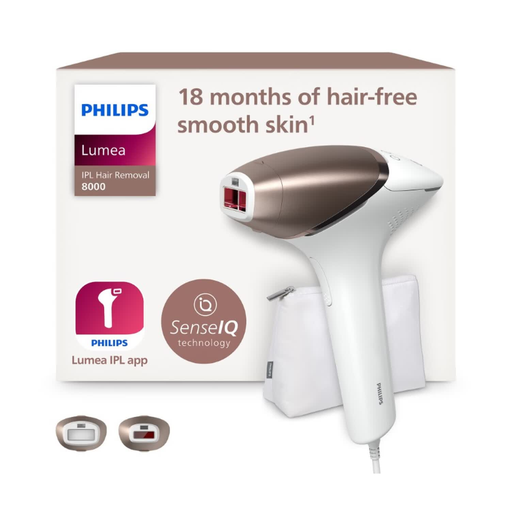
Why it suits this profile: For users who want to follow a regular IPL schedule for the face and body and value additional guidance through an app.
The product information states the skin tone and hair colour limitations, corded operation and necessary safety requirements.
450,000 flashes, two attachments, SenseIQ technology and corded use.
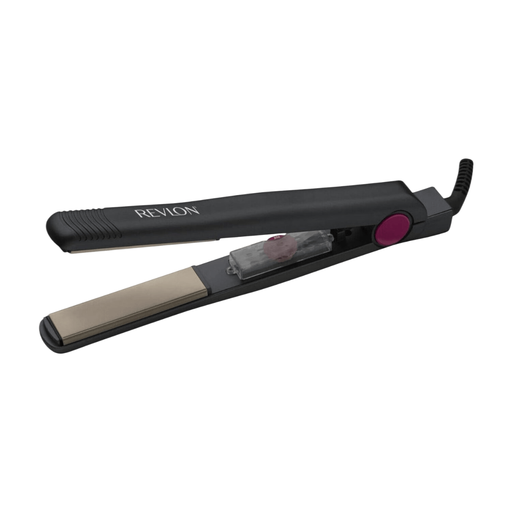
Why it suits this profile: A compact straightener for smoothing and quick hair styling, with 25-millimetre ceramic-coated plates.
The flexible plates and swivel cable are clearly specified, and you also know that there is no automatic shut-off.
25 mm ceramic plates, ionic technology, 1.8-metre cable and overheating protection.
We have compiled a complete, up-to-date list of products that fully meet these strict selection criteria and the applicable European safety regulations.
An epilator mechanically pulls hair out using tweezers. An IPL hair removal device uses light pulses and, according to the manufacturer’s conditions, only works with certain skin tones and hair colours. An epilator gives you an immediately smooth feel, while IPL requires several treatments and regular maintenance.
This varies by model. The Philips Lumea product information initially recommends treatments every two weeks, followed by two treatments per month for maintenance. Always follow the instructions for your specific model and do not treat excluded areas of skin.
In addition to the purchase price, you should consider electricity consumption, replacement accessories, maintenance and any hair care products. A cordless epilator needs to be charged, while a corded IPL device depends on access to a power socket. So do not compare the price alone: also consider the attachments supplied, warranty terms and expected frequency of use.
