
Vandaag of morgen in huis

Kwaliteit gegarandeerd

Welkomstaanbiedingen ontgrendelen: GRATIS bezorging | Tot 80% korting | Gratis 30 dagen JoyPlus-proefperiode
Download de app
Dry, frizzy or brittle hair does not automatically require the most expensive product on the shelf. A shampoo may feel gentle, for example, yet still provide insufficient care for damaged lengths. Similarly, a hair oil can add plenty of shine without actually hydrating the hair. The right combination of cleansing, conditioning and protection helps you avoid a disappointing purchase.
Silicones, oils and film-forming ingredients can make hair look smoother straight away. That is useful for tackling frizz, but a visibly glossy result does not automatically mean that split ends or damaged fibres have been repaired. Treat claims such as ‘reconstruction’ or ‘instant repair’ as product claims, rather than guaranteed results.
A shampoo for dry hair mainly cleanses the scalp and hair. A conditioner for damaged hair is designed to make the lengths easier to comb through and smoother. A hair oil, mask or leave-in hair serum has a different purpose again. Trying to solve everything with one product often means applying too little care to damaged ends or too much product near the scalp.
An oily scalp generally needs targeted cleansing, while dry lengths may benefit from additional conditioning. Apply conditioner, a hair mask or oil from the mid-lengths to the ends in most cases. This helps prevent fine hair from looking weighed down or greasy too quickly.
Use the following classification as a practical starting point:
A complete routine does not need to involve lots of steps. For many people, a suitable shampoo, conditioner and one additional treatment are enough.
Look out for ingredients such as glycerine, panthenol, plant oils, proteins and conditioning agents. Oils such as argan oil, jojoba oil, camellia oil or sunflower oil can help create a smoother feel and add extra shine. Proteins may be worth considering for brittle or chemically treated hair, but the right combination varies by hair type.
Also check the current ingredients list on the packaging. Formulas can change. A product described as ‘natural’, ‘vegan’ or ‘silicone-free’ is not automatically suitable for every hair structure. Also check for fragrance and known allergens if your scalp is sensitive or reacts easily.
A rich 230-gram hair mask may be used differently from a 550-millilitre conditioner. Check:
For fine hair, a lightweight leave-in formula is often more practical. Thick, curly or severely damaged hair may benefit more from a rich mask or nourishing oil. Start by applying new products sparingly and pay attention to how your hair and scalp respond.
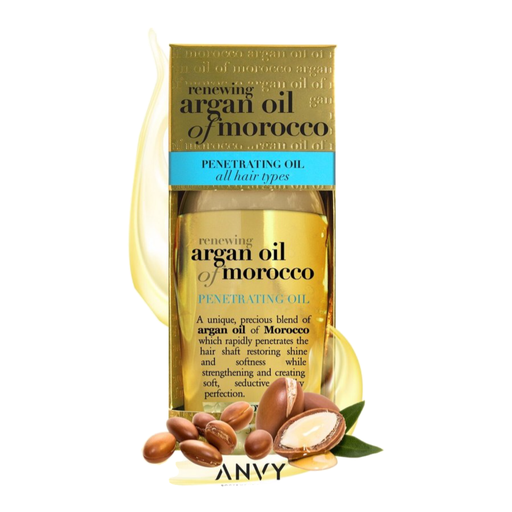
Why it suits this profile: A simple addition to an existing routine for dry or frizzy hair. According to the product description, the oil is intended for use on towel-dried hair, particularly through the lengths and ends.
The usage instructions recommend applying a small amount. This helps prevent fine or thin hair from being weighed down by too much oil.
100 ml contents, argan oil in the formula and, according to the product description, targeted support for shine, hydration, frizz control and heat styling.
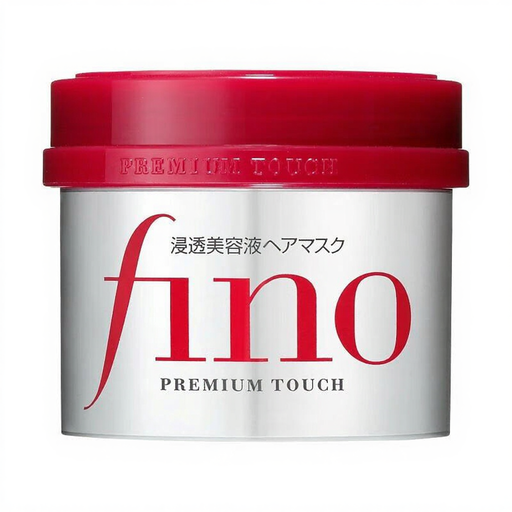
Why it suits this profile: Suitable for anyone who regularly colours, blow-dries or uses styling tools and wants to add a separate intensive treatment to their washing routine.
The packaging states that the mask should be used once or twice a week instead of conditioner. This helps prevent daily overuse of a rich formula.
230 grams of product, designed for dry, frizzy and damaged hair; the product specifications state a processing time of 5 to 10 minutes.
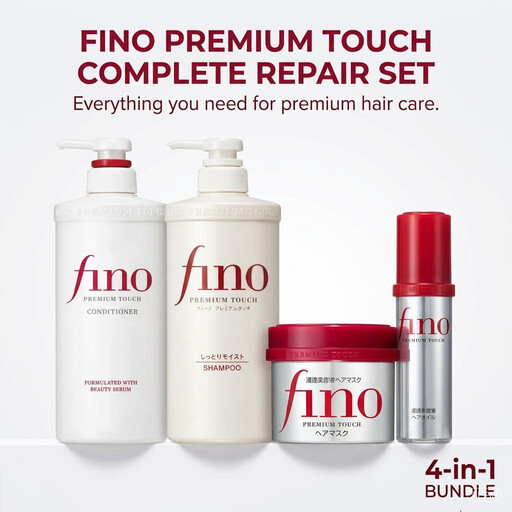
Why it suits this profile: A practical choice for anyone who wants to combine several hair care steps without putting together shampoo, conditioner, mask and oil separately.
The set makes the distinction between daily cleansing, conditioner and a weekly treatment clearer. Apply the oil sparingly to the lengths and ends.
Four product types in one set; according to the product description, the formulas contain ingredients including royal jelly, silk protein, camellia oil, collagen, argan oil and keratin.
In cases of sudden or noticeable hair loss, cosmetic hair care is not a substitute for medical advice. Products making claims about hair loss should be assessed against the official usage instructions and ingredients. According to some brands’ own product information, such lotions or shampoos may care for the scalp, but this is not a guarantee of hair growth or that hair loss will stop.
We have put together a complete, up-to-date list of products that fully meet these strict selection criteria and the applicable European safety regulations.
Use shampoo first, followed by conditioner. Add a hair mask once or twice a week. Use leave-in products, hair oil and heat protection after washing, usually on towel-dried hair. Check each product to see whether it needs to be rinsed out.
For most routines, once a week is a sensible starting point. For thick or severely damaged hair, twice a week may be suitable if the hair does not become weighed down or greasy. Always follow the instructions on the packaging.
Start with one drop or a small pump. Rub the oil between your palms and distribute it from the mid-lengths to the ends. Avoid the scalp unless the label specifically states that the product is intended for this purpose.
