
当日/次日达

品质保障

开启新人专享福利: 全场免邮 | 低至 2 折 | 免费试用 30 天 JoyPlus 会员
下载 Joybuy
Dry, brittle or frizzy hair does not automatically require a completely new routine. The problem often lies in the wrong combination: a nourishing mask on an oily scalp, a strong shampoo on dry lengths, or a hair oil that mainly adds shine but does not replace proper heat protection.
With this guide to hair care for damaged hair, you will know what to look out for. You will find practical selection criteria and product choices for different hair needs, without being swayed by broad marketing claims.
Damaged hair may look smoother, softer and easier to comb after using a conditioner, mask or oil. That does not mean a split end has been permanently repaired. Products can temporarily smooth the surface of the hair and reduce friction. Damaged ends remain vulnerable and can sometimes only be removed by cutting them off.
Coconut oil, argan oil, silicones and proteins can be useful for dry or porous lengths. However, on fine hair or with a scalp that becomes oily quickly, heavy products can make the hair look flat or greasy. Use a hair oil for damaged hair mainly on the lengths and ends, rather than routinely on the scalp.
Claims such as “up to 90% less hair breakage” or “up to 100% dandruff-free” depend on the testing method, how often the product is used and how it is combined with other products. According to the relevant brand’s own research, such figures do not automatically apply to every user. Always check the packaging, ingredients list and instructions for use.
A shampoo for oily scalp should remove excess sebum, styling residue and dirt without unnecessarily drying out your lengths. According to the product description, Head & Shoulders Pure Intense is intended for an oily scalp and contains, among other ingredients, piroctone olamine and sea minerals. According to the description, the claim “up to 100% dandruff-free” refers to visible dandruff with regular use.
If your lengths are mainly dry, coloured or chemically treated, choose a gentler routine and apply shampoo primarily to the scalp. The lengths are usually cleaned sufficiently as the lather runs through them.
Hair care for coloured hair should primarily help make dryness and roughness more manageable. Ingredients such as glycerine, plant oils and certain conditioning agents can make the hair feel softer. Hydrolysed proteins and keratin are often found in products designed for brittle or weakened hair.
Too much protein can instead make some hair types feel stiff. So alternate a conditioner for damaged hair with a hydrating mask and assess how your hair responds. A mask does not need to be used every day; with many products, once or twice a week is sufficient.
A large bottle may seem better value, but only if you use the product regularly. A 25 ml mask is handy as a trial or travel size, while a 300 ml pack is better suited to a regular weekly routine. Also check whether the product needs to be rinsed out.
An oil or serum is a leave-in product. For example, Peptide 132 Hair Bonding Oil recommends applying 1 to 3 pumps to the lengths and ends. The formula contains silicones and plant oils. This may help with smoothness, shine and frizz control, but according to the description, the product is not a replacement for a dedicated heat-protection spray.
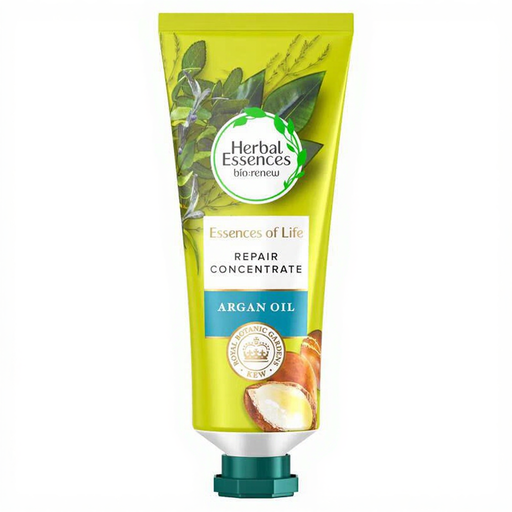
Why it suits this profile: The 25 ml tube is ideal for trying a hair mask for dry hair before committing, or for taking with you when travelling. The instructions recommend leaving it on for 5 to 10 minutes and applying it to the lengths and ends.
The small size helps limit waste if a rich formula does not suit your hair. The ingredients list includes argan oil, glycerine and conditioning agents.
25 ml tube; designed for coloured, dry and brittle hair; rinse-out treatment with a clear processing time.
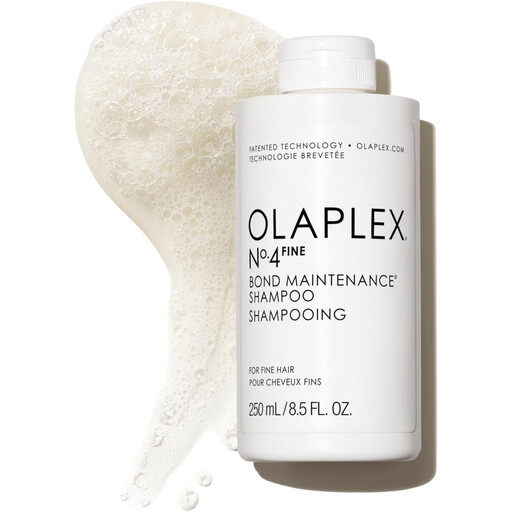
Why it suits this profile: This is a repair shampoo for fine hair. According to the product description, the formula is colour-safe, vegan and suitable for chemically treated hair.
The product information specifically mentions fine hair and chemical treatments. This means you do not have to rely solely on the general term “repair”.
250 ml; designed for fine hair; cleanses according to the description without excessively stripping the hair.
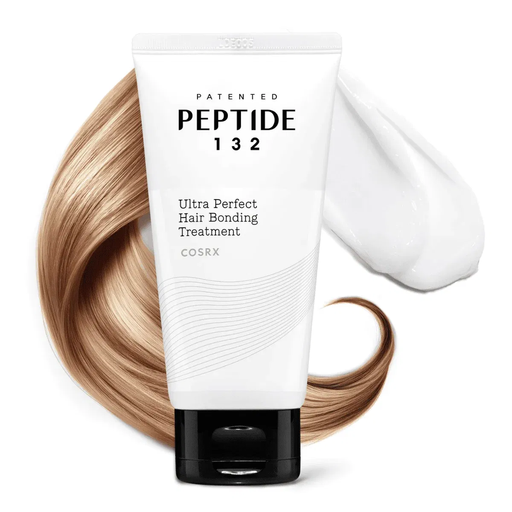
Why it suits this profile: This bond repair hair treatment is designed for dry and weakened hair. The instructions recommend applying it to the lengths and ends after washing, followed by rinsing.
The product is applied to the lengths and ends, not the scalp. The product information also states that ingredients may change, so check the packaging.
120 ml; according to the ingredients list, contains peptide-132, ceramides, oils and hyaluronic acid, among other ingredients.
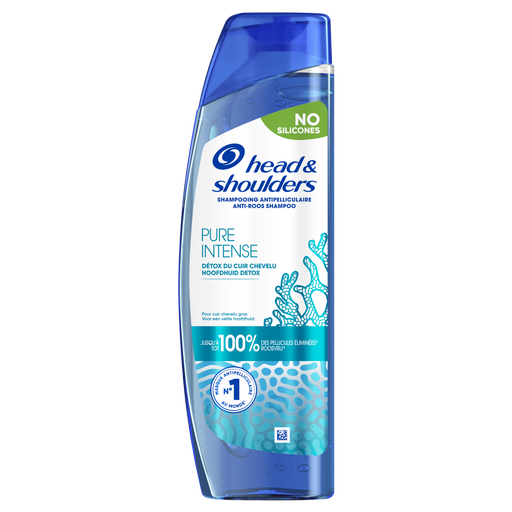
Why it suits this profile: According to the product description, this shampoo targets oily hair, excess oil and visible dandruff. This makes it a targeted choice when your scalp needs more attention than your lengths need extra nourishment.
You use a scalp product in a targeted way rather than applying a heavy repair product to the roots. According to the product information, the formula is pH-balanced and silicone-free.
250 ml; targeted at oily scalps; contains piroctone olamine and sea minerals according to the product details.
We have put together a complete, up-to-date list of products that fully meet these strict selection criteria and the applicable European safety regulations.
Choose a gentle shampoo suited to your scalp and combine it with conditioner and a weekly mask. Look for colour-safe claims when they are explicitly stated on the product packaging. A repair shampoo can make your hair feel softer, but it does not prevent all damage caused by heat, bleaching or frequent colouring.
That depends on the formula and the condition of your hair. Many masks are suitable for use once or twice a week. Daily use may leave some hair types feeling heavy or limp. Always follow the instructions for use and adjust the frequency to suit your hair structure.
A 250 to 300 ml bottle can last for several weeks to months with regular washing; the actual duration depends on hair length, washing frequency and dosage. Also check the period-after-opening symbol, such as 12M, and store products in a cool, dry place as stated on the packaging.
