
Livraison le jour même et le lendemain

Qualité garantie

Débloquez vos offres de bienvenue: Livraison GRATUITE | Jusqu'à -80 % | 30 jours d'essai gratuits à JoyPlus
Téléchargez l'application
Dry hair, frizzy lengths, lack of volume or a scalp that quickly becomes unbalanced: choosing the right product sounds simple, but the range on offer can make it difficult to compare your options. A high price doesn’t automatically mean a product is right for you. Terms such as “bond repair”, “professional styling” and “natural ingredients” only tell you so much unless you know what’s behind them.
With this practical guide to haircare and styling, you can compare products based on how they’re used, their ingredients and their safety. That way, you can avoid weighing your hair down with oil, leaving a styling tool unused in the cupboard or choosing a shampoo that doesn’t suit your scalp.
A brand might make claims about repairing damaged hair, reducing hair loss or protecting against heat. That doesn’t mean you’ll see the same results. Check whether a claim comes from the product description, which ingredients are mentioned and whether there are any conditions for use.
For example, WELEDA says that rosemary oil and plant extracts support the scalp and help reduce hair loss. This is a claim made by the manufacturer, not a medical conclusion. If your hair loss is sudden or persistent, it’s better to seek advice from your GP or another healthcare professional than to rely solely on switching to an anti-hair-loss lotion.
Hair oil, leave-in haircare and hair masks can help dry lengths feel softer, but using too much can leave fine or thin hair looking flat. Start with one to three drops or a small amount of cream on the mid-lengths and ends. Avoid the scalp unless the product is specifically intended for use there.
Pay attention to the texture too:
A 5-in-1 or 7-in-1 air wrap hair styler sounds appealing, but check whether you’ll actually use all the attachments. Also consider the heat settings, airflow, weight, cord length and how easy it is to clean. An automatic curling iron with lots of features is less practical if it’s heavy or difficult to store.
If the instructions recommend it, use a hot air brush or air wrap hair styler on towel-dried hair. Heat protection is still important, even if the product description says it works at lower temperatures.
Read the ingredients list and check what the product is intended for. An anti-dandruff shampoo, for example, may contain an active ingredient such as piroctone olamine. Head & Shoulders lists this ingredient in its Classic Clean formula. The claims about dandruff and itching come from the brand and, according to the product information, apply when the product is used regularly.
Conditioners, silicones, oils, proteins and conditioning agents can all be relevant when caring for damaged hair. The Peptide-132 treatment contains ingredients including glycerine, dimethicone, ceramides, oils, amino acids and hyaluronic acid. According to the product description, it’s intended for dry and weakened lengths. Apply it to the mid-lengths and ends after washing, then rinse it out.
For styling tools, heat settings and speed settings matter more than just the maximum motor speed. Fine or fragile hair usually benefits from a lower heat setting and short styling sessions. Thick or curly hair may need more airflow, but that doesn’t automatically mean you should use the highest temperature.
Also check:
Don’t spray hairspray near a fire or heat source. NIVEA Extra Strong Hair Spray comes in a pressurised container with flammable propellants, so follow the warnings on the packaging. Keep hairdryers and air wrap hair stylers away from water, and switch them off and unplug them after use.
For cosmetics, also check the expiry information, any fragrance allergens and the current ingredients list on the packaging. Manufacturers may change their formulas.
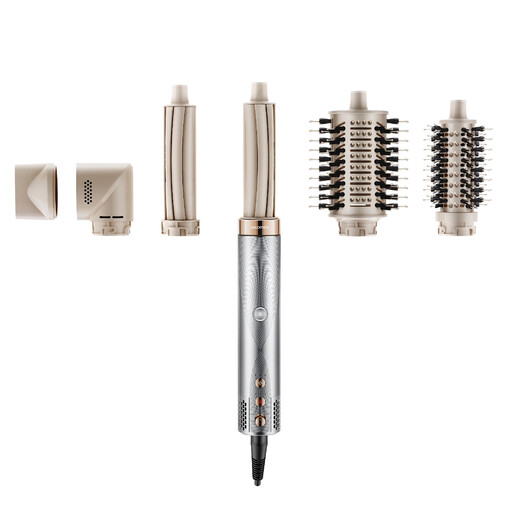
Why it suits this profile: An entry-level option for anyone who wants to dry, curl and add volume with one appliance. The listed price is €59,90.
The product information lists several styling functions, so you don’t need to buy separate appliances straight away. Do check which attachments are included.
5-in-1 design, described as lightweight in the product name, with heat and airflow settings.
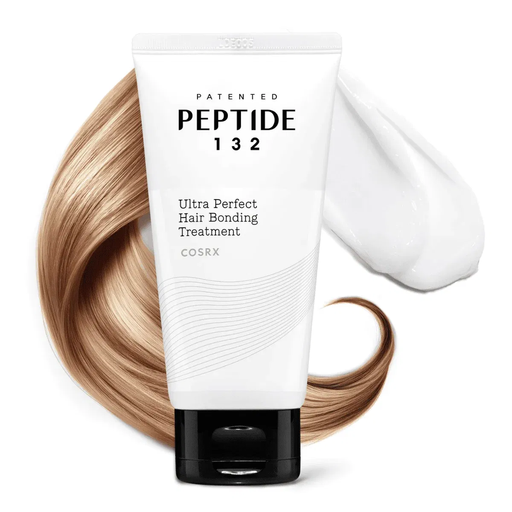
Why it suits this profile: Designed for anyone looking for an intensive hair treatment for dry, brittle or chemically treated lengths.
The instructions are clear: apply to the mid-lengths and ends, then rinse out. This helps you avoid applying too much product to your scalp.
Contains ingredients including ceramides, oils, amino acids and hyaluronic acid; the formula is designed as a rinse-out treatment.
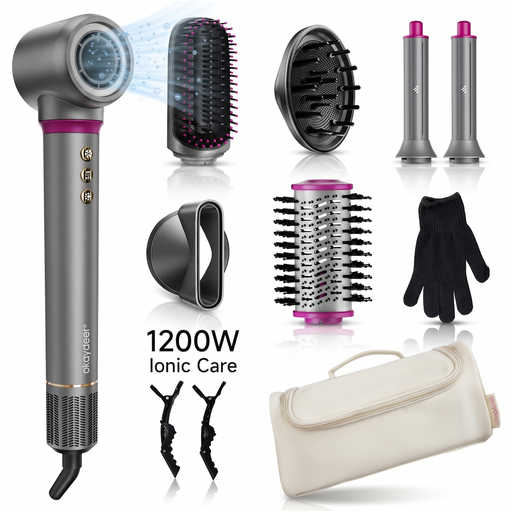
Why it suits this profile: For anyone who regularly switches between drying, straightening, adding volume and creating automatic curls.
The instructions recommend using it on hair that’s around 80% dry, cleaning the filter and letting the appliance cool before changing attachments.
7 attachments, 3 heat settings, 2 speeds and a stated power rating of 1200 watts.
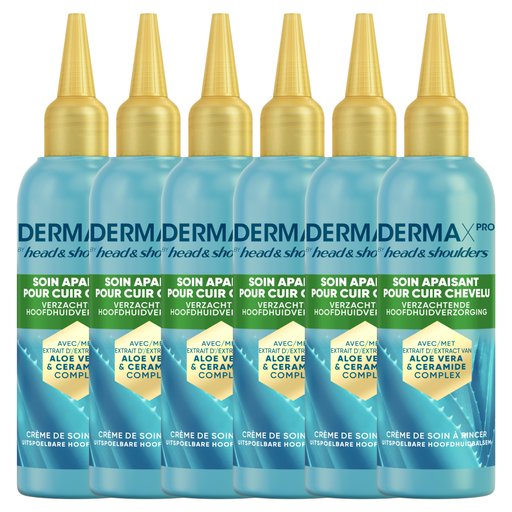
Why it suits this profile: A rinse-out treatment for anyone looking to add scalp care to their anti-dandruff routine.
The product information says to apply it to the scalp and then rinse it out. The claim that it relieves itching comes from the brand.
The ingredients list includes piroctone olamine, aloe vera and a ceramide complex; pack of 6 x 145 ml.
For shine and frizz, you could choose a lightweight hair oil such as Saranara Hair Oil Pink Forest 50 ml, which the product information says contains jojoba and argan oils. Dancoly Vitamin & Sacha Inchi Hair Oil comes in 40 small 0.8 ml portions, making it handy if you want to measure out each application precisely. For leave-in haircare, Nuxe Hair Prodigieux Leave-In Cream and Lucovitaal Hair Vitamin Damaged Hair are options with formulas that don’t need rinsing out.
For hold, NIVEA Extra Strong Hair Spray and Taft Volume Mega Strong Hair Mousse are designed for styling and adding volume. Always check the warnings on mousse or spray, and don’t use more than you need.
We’ve put together a complete, up-to-date list of products that meet these strict selection criteria and comply with current European safety regulations.
It depends on your hair type and the texture of the oil. Start with one or two drops on the ends. Fine hair may tolerate a small amount every day, while thick or very dry hair may benefit from a slightly more generous application. If your hair quickly feels limp or greasy, use less and apply the product only to the lengths.
Use a suitable heat protectant, choose a lower temperature where possible and don’t style soaking-wet hair if the instructions advise against it. Keep the tool moving, avoid pulling hard on the lengths and let attachments cool before changing them. Clean the filter regularly to keep the airflow steady.
Wash with a shampoo that suits your scalp, then use a conditioner or hair treatment on the lengths and add a leave-in product if you like. Hair oil can be the final step to help dry ends feel smoother. It’s better to choose a few suitable products than to use several formulas that do the same thing.
