
Vandaag of morgen in huis

Kwaliteit gegarandeerd

Welkomstaanbiedingen ontgrendelen: GRATIS bezorging | Tot 80% korting | Gratis 30 dagen JoyPlus-proefperiode
Download de app
Dry hair, frizzy lengths, limp curls or a conditioner that weighs your hair down: choosing the right haircare may seem straightforward, but there is a huge range of products available. Products often promise repair, volume, shine or protection. However, an appealing claim means little if you do not consider the formula, instructions for use and suitability for your hair type.
In this guide, you will learn what to look for in conditioner, hair masks, hair oil and leave-in conditioner. We will then share some practical recommendations for different hair needs.
A universal conditioner can be convenient, but fine hair will usually need a lighter formula than thick, curly or heavily damaged hair. A rich hair oil or silicone-rich cream can make dry lengths feel smoother, but may also leave fine hair feeling weighed down or limp more quickly.
So do not just look at the claim on the front of the packaging. Also check:
According to brands’ own research, ingredients such as keratin, proteins or bond-building complexes can temporarily make hair feel smoother and stronger. This is different from the biological repair of a damaged hair fibre. Split ends cannot be permanently joined back together; having them trimmed remains the practical solution.
So treat terms such as repairing haircare as an indication of a product’s conditioning purpose, rather than a guarantee of lasting repair.
A product containing a high percentage of ingredients of natural origin may be appealing, but “natural” does not automatically determine whether it is suitable for your hair. Similarly, a sulphate-free conditioner or silicone-free haircare is not necessarily better for everyone.
Silicones can, for example, help improve smoothness and ease of combing. If you prefer a lightweight feel with less coating, you may prefer to try a silicone-free formula. For vegan or certification claims, always check the product information and label.
For dry or damaged hair, conditioning ingredients such as glycerine, plant oils, fatty alcohols, panthenol and conditioning agents are often relevant. For fine hair, a lightweight conditioner or volumising haircare for fine hair is usually more practical than using several rich products at the same time.
Do you have coloured, bleached or chemically treated hair? Check whether the product specifications state that it is suitable for coloured or chemically treated hair. Olaplex No. 5, for example, states that it is vegan, sulphate-free and suitable for coloured hair.
Claims about shine, volume, reduced breakage or repair depend on the condition of your hair, the amount used and your styling routine. According to a brand’s own research, certain results may have been measured under specific conditions. A product description is therefore useful for comparing products, but it is not a personal guarantee.
Extra care is needed with haircare for hair loss. Cosmetic hair lotions may be intended to care for the scalp or hair, but should not be regarded as treatment for a medical cause. If you experience sudden or persistent hair loss, it is wiser to seek advice from your GP or another healthcare professional.
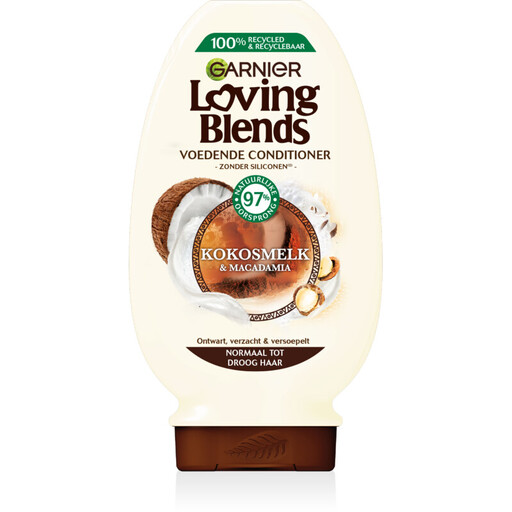
Why it suits this profile: An everyday conditioner for normal to dry hair, with a simple application after washing.
The product information clearly states that it is for normal to dry hair and has a silicone-free formula. This makes it easier to compare than relying on a shine claim alone.
250 ml, designed for daily use and, according to the product description, made with 97% ingredients of natural origin.
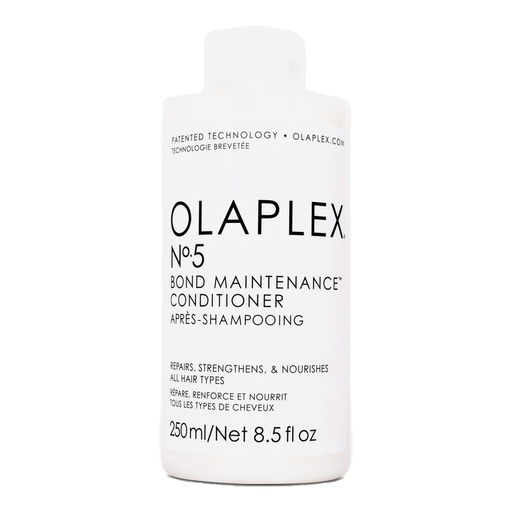
Why it suits this profile: Designed for adults with dry, damaged, coloured or bleached hair who are looking for a conditioner with detailed product specifications.
The formula states that it is vegan, colour-safe and sulphate-free, among other features. However, check that these properties match your own preferences.
250 ml, suitable for all hair types and designed to hydrate and condition damaged hair.
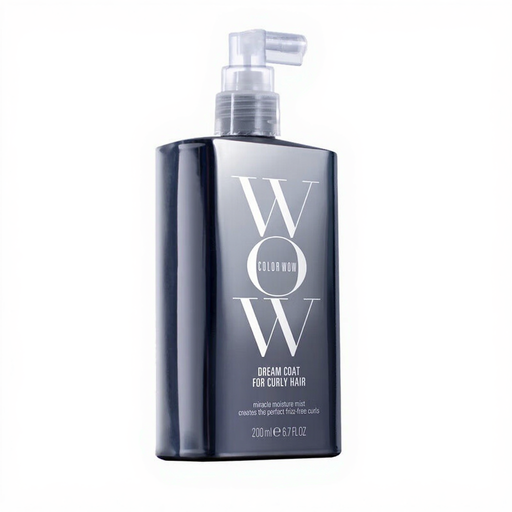
Why it suits this profile: For anyone looking for hair products for curly hair and wanting to address frizz, shine and manageability as part of their styling routine.
The instructions state that it should be applied to damp hair and heat-activated for the intended effect. This means you know in advance that using it involves more than simply spraying it on.
200 ml, alcohol-free according to the product details and designed as an anti-frizz and shine spray for curly hair.
We have put together a complete, up-to-date list of products that fully meet these strict selection criteria and the applicable European safety regulations.
Apply conditioner, hair masks and hair oil mainly to the lengths and ends, unless the packaging states otherwise. Your scalp does not automatically need extra product. Start with a small amount and only add more if your hair needs it.
A simple routine could look like this:
Choose a conditioner or mask with conditioning and hydrating ingredients, and apply it mainly to the lengths and ends. A leave-in conditioner can help with daily detangling. Do not use several heavy products at the same time if your hair quickly becomes limp.
This depends on the formula and the condition of your hair. Many masks are designed to be used once or twice a week instead of conditioner. Follow the instructions on the packaging and adjust the frequency if your hair feels weighed down, greasy or still dry.
Cosmetic haircare can condition the hair and scalp, but it is not a proven treatment for every cause of hair loss. According to a brand’s own information, a rosemary lotion may be intended to care for the scalp and help reduce hair loss. If your hair loss is persistent or sudden, it is best to seek medical advice.
