
Vandaag of morgen in huis

Kwaliteit gegarandeerd

Welkomstaanbiedingen ontgrendelen: GRATIS bezorging | Tot 80% korting | Gratis 30 dagen JoyPlus-proefperiode
Download de app
Dry hair, frizzy lengths, limp curls or a shampoo that leaves your scalp feeling tight: finding the right product isn’t always easy. Packaging often promises repair, volume or less hair loss, but the real differences usually lie in the ingredients list, the intended use and the amount of product.
As a Joybuy Product Recommendation Officer, I filter the most important information so you can choose haircare based on verifiable product specifications rather than advertising claims alone.
Keratin, argan oil, shea butter and coconut oil all sound appealing, but a single ingredient does not automatically determine whether a product is right for your hair. Look at the full formulation as well. For example, a conditioner containing silicones may help with detangling and smoothness, while anyone wishing to avoid silicones may prefer a different formula.
Damaged hair cannot biologically return to a completely undamaged state. However, products can temporarily make your hair feel smoother, softer or easier to manage. Claims about reducing hair breakage or strengthening hair are brand claims. According to Syoss’s own research, the Repair range can provide up to 90% less hair breakage when used with the matching conditioner. This is not a guarantee for every user.
A value pack of six bottles may seem like good value, but it is less practical if you do not yet know whether the formula suits your hair. Check the amount per bottle, the period after opening and the recommended application. A trial size or a 200 to 400 ml bottle may be a wiser choice before buying in bulk.
Start by identifying your main need:
Check whether a product is sulphate-free, silicone-free, vegan or formulated with a certain percentage of ingredients of natural origin. These properties alone do not determine whether a product is right for you. For example, Andrélon Pro Nature Shea Shampoo states that it contains 0% sulphates and silicones and 94% ingredients of natural origin. This makes it a potential choice for anyone who considers these features important, but your preferences regarding cleansing, fragrance and how your hair feels remain decisive.
Also check allergens and warnings. Fragrances such as limonene, linalool and coumarin are listed for various products. Stop using the product if irritation occurs and avoid contact with the eyes.
Conditioner is usually applied to the lengths and ends rather than generously to the scalp. A hair mask is generally used less often than conditioner. Always follow the instructions on the packaging, as the recommended leave-in time varies from product to product.
Also check:
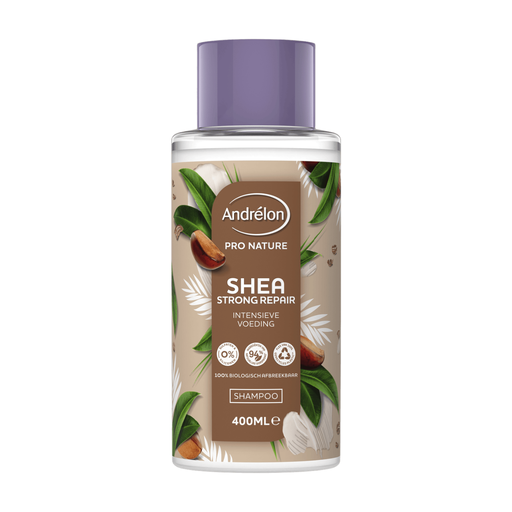
Why it suits this profile: A 400 ml bottle is easy to manage for everyday use, and the product description focuses on nourishing and caring for the hair.
The specifications state 0% sulphates and silicones and 94% ingredients of natural origin, making it easier to compare the product clearly in advance.
Shampoo for normal to dry hair; according to the product information, it is vegan and dermatologically tested.
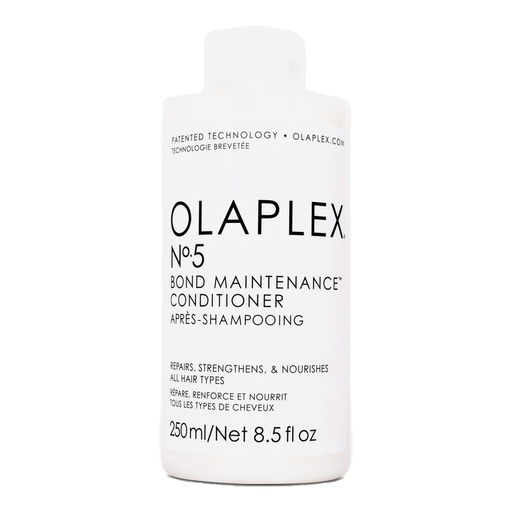
Why it suits this profile: This conditioner is designed to moisturise and care for various hair types, including coloured and bleached hair.
The 250 ml size reduces the risk of buying a large supply before you know how your hair responds to the formula.
Cream formula, vegan according to the product specifications, and listed as free from parabens and sulphates.
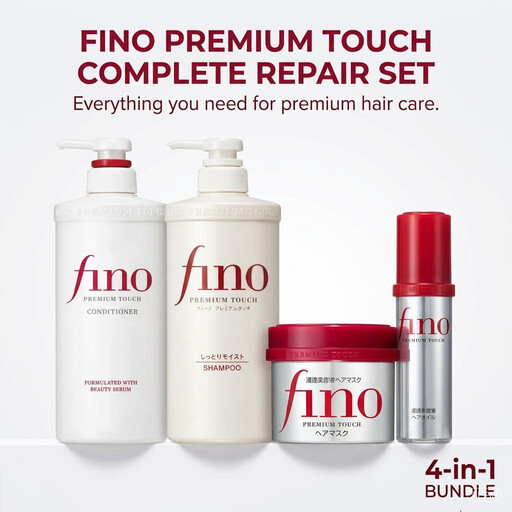
Why it suits this profile: A haircare set containing shampoo, conditioner, hair mask and hair oil is ideal for anyone who wants to combine several steps in one routine.
The four separate steps make it clear which product is intended for cleansing, conditioning, intensive care and finishing.
According to the product description, it contains ingredients including royal jelly extract, silk protein, camellia oil, keratin and jojoba oil.
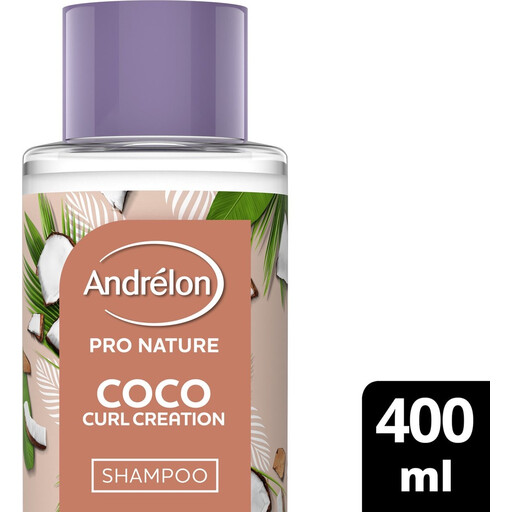
Why it suits this profile: The formula is specifically described as suitable for curls, hydration and reducing frizz.
The packaging clearly states its purpose: Coco Curl Creation. This makes the product more targeted than a general shampoo for all hair needs.
400 ml, coconut oil, 94% ingredients of natural origin according to the product information, and 0% sulphates and silicones.
We have put together a complete, up-to-date list of products that fully meet these strict selection criteria and the applicable European safety regulations.
Usually, start with shampoo on the scalp and rinse thoroughly. Then apply conditioner to the lengths and ends. A hair mask can replace conditioner once or a few times a week. Use hair oil as the final step on damp or dry hair, depending on the instructions. Apply styling products such as mousse or hairspray afterwards.
This depends on your hair texture and the formula. Dry or damaged hair may benefit from using a mask alongside your regular conditioner, while fine hair can feel weighed down more quickly. Start by using it once a week and adjust the frequency according to the results. Always follow the leave-in time stated on the packaging.
The cost mainly depends on the number of steps, the amount of product and how often you use it. Shampoo and conditioner form the basis of a routine. Only add a hair mask, hair oil, purple shampoo or hair styling products if you have a specific need for them. When comparing multipacks, check the price per 100 ml and make sure you will actually use all the products.
